
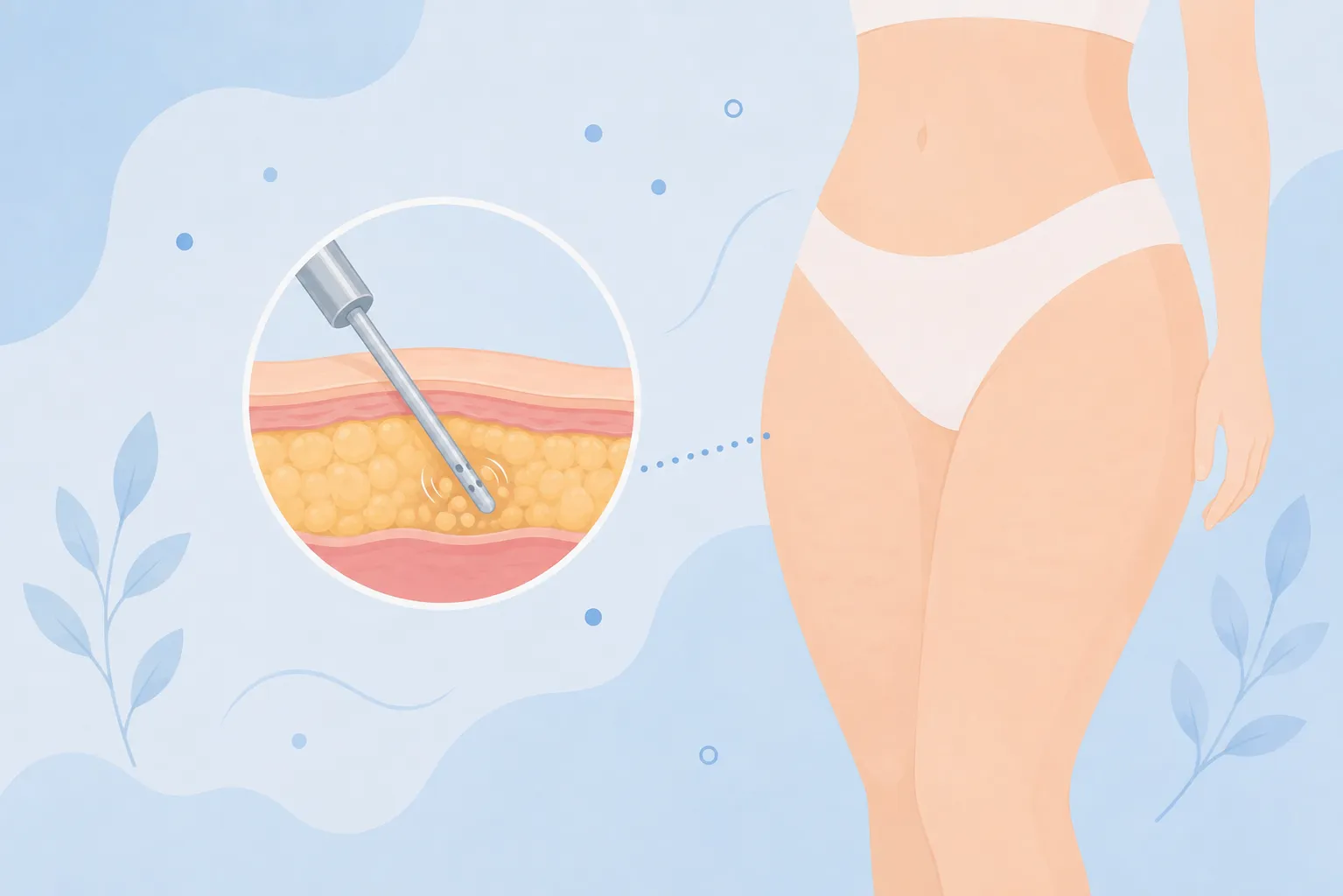
For some people with lipedema, surgery can bring about a very significant change – both functionally and in terms of the body’s appearance and proportions. However, it is important to understand from the outset: liposuction does not cure lipedema and does not guarantee that it will not develop again in the future. It removes the tissue that has already accumulated, but does not eliminate the biological predisposition to the disease.
What exactly is liposuction for lipedema?
Lipedema is the accumulation of typical fatty tissue in the body, which sometimes becomes more fibrotic and hard over time. You can read more about the characteristics of the disease in the article What is Lipedema.
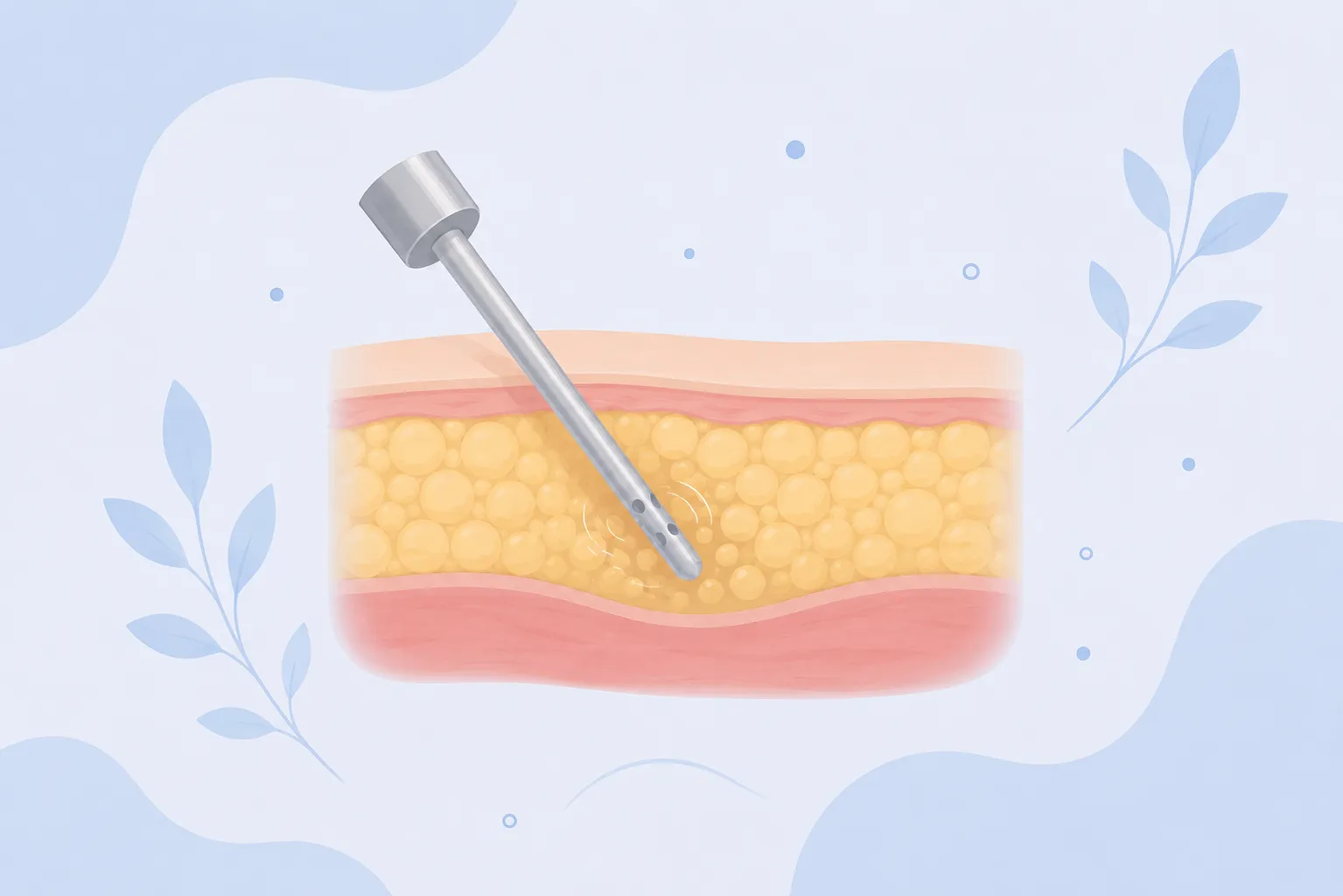
The surgical treatment, also known as Lipedema Reduction Surgery, uses a cannula – a thin tube inserted through small incisions in the skin – to remove the tissue.
The important difference is that the goal of lipedema surgery is to work in a way that tries to preserve the blood and lymphatic vessels as much as possible. The lymphatic system is especially important in people with lipedema, so damaging it during surgery can create significant complications. What is the lymphatic system and what Her role?
What types of liposuction are there?
There is no single method that is suitable for everyone who undergoes lipedema surgery. There are several techniques, the main ones being:
WAL – Water-Assisted Liposuction
Water-Assisted Liposuction is a method in which a jet of water at controlled pressure helps separate the tissue before suctioning it. The method is also used in surgeries that aim to preserve the lymphatic vessels.
PAL – Vibration-Assisted Liposuction
Power-Assisted Liposuction uses a cannula that performs rapid vibration movements, which help separate the tissue and suction it. PAL is also used in lipedema surgeries, although the amount of research on the different techniques is not the same.
Tumescent Suction
In the tumescent method, a solution containing, among other things, an anesthetic and adrenaline is injected into the tissue before suctioning. The goal is to reduce pain and bleeding and make the suction easier.
It is important to note that “tumescent,” WAL, and PAL are not necessarily three completely separate categories. Tuscent primarily describes the method of tissue preparation, while WAL and PAL describe techniques that assist in the suction process. A recent review of studies found that all three techniques may improve pain, swelling, bruising, tenderness, and functional limitation in people with lipedema.
Can everyone with lipedema undergo surgery?
Not necessarily. The decision to have surgery should be made after an individual medical evaluation, taking into account the stage of the disease, symptoms, general health, and treatments that have already been tried.
It is usually important to try and exhaust conservative treatment before surgery, which includes, as needed, treatment of swelling, compression garments, exercise, and lymphatic therapies. You can read about this in the articles Compression stockings, Lymphatic drainage and Exercises that help and exercises that harm.
The stage of lipedema may also affect the planning and scope of treatment. For more information on the differences between the stages: Differences between Lipedema Stages.
Why is a series of surgeries sometimes needed?
One of the things that is important to know in advance is that lipedema surgery does not always end with a single surgery.
Lipedema can involve large areas of the body, and the amount of tissue that needs to be removed may be very large. Therefore, sometimes the treatment is divided into several surgeries, each time treating a different area or part of the body.
The interval between surgeries is determined individually, depending on the scope of the treatment and recovery. The mere need for several surgeries does not indicate that the first surgery was unsuccessful – sometimes it is a pre-planned procedure designed to allow for safe and gradual treatment.
In addition, after removing a large amount of tissue, excess skin can remain. In some cases, especially in advanced stages, surgery to remove excess skin and tissue can be considered later.
Can the removed fat return?
This is one of the most important questions before surgery.
The tissue removed during surgery does not simply return to being the same tissue. In fact, surgery is currently the only way to directly remove the abnormal tissue that has already accumulated in lipedema. Treatments such as diet and exercise are important for health and disease management, but do not significantly remove the lipedema tissue itself.
But this does not mean that lipedema cannot develop again.
The biological predisposition to the disease remains even after surgery, so additional tissue can develop in the treated area or in areas that were not treated. Hormonal changes, significant weight gain and disease progression may also affect the condition over the years. You can read more about the connection to hormonal changes in The effect of hormones, pregnancy cycle, pills and age The Transition.
Therefore, it is important to view surgery as the removal of tissue that has already formed – and not the elimination of the disease itself.
Long-term studies have found that improvements in pain, swelling, movement, and body appearance can be maintained for years after surgery, but long-term follow-up is still important.
What does recovery look like?
Recovery varies depending on the extent of the surgery and the area treated. Swelling, bruising, tenderness, a feeling of tightness, and sometimes temporary changes in sensation are common in the initial period.
One of the key things in the postoperative period is the use of compression garments, as directed by the treating team. In cases of early-stage lipedema, the usual recommendations include the use of a compression garment for at least several months, and in people with advanced disease or lipolymphedema, a longer period may be needed.
It is important that the garment fits properly. Stronger pressure is not necessarily better, and in the event of pain or discomfort, a professional should be consulted regarding the type or level of pressure adjustment.
Gradual movement is also an important part of recovery. It is not recommended to immediately return to vigorous training just because the incisions are small and appear to be healing. You should proceed according to the instructions of the surgeon and the treating team.
In some cases, a physiotherapist or a qualified lymphatic therapist is also used after surgery, especially when there is significant swelling.

What are the risks of surgery?
Although this is a treatment designed to relieve the symptoms of lipedema, it is still a major surgery and therefore carries risks.
Possible complications include:
- Bleeding and anemia
- Infection
- Significant swelling and bruising
- Fluid accumulation
- Fibrosis or hardening of the tissue
- Irregularity or unevenness in the appearance of the skin
- Changes in sensation
- Blood clots and pulmonary embolism
- Damage to the lymphatic vessels, which may in some cases contribute to the development of lymphedema.
The risk of blood clots is particularly important because people with lipedema, especially in advanced stages, may be at increased risk of blood clot events after surgery. Therefore, an individual risk assessment should be performed before the procedure.
This is also one of the important reasons to choose a surgeon with specific experience in lipedema surgery and the anatomy of the lymphatic system.
What can be done to maintain the result?
There is no way to guarantee that lipedema will not progress after surgery, but you can continue to manage the disease and support the body and lymphatic system.
Depending on the personal recommendations of the treating team, this may include:
- Using compression garments when necessary.
- Regular and adapted physical activity, such as walking, swimming, yoga, cycling or strength training.
- Lymphatic therapy or lymphatic drainage if necessary.
- Maintaining a stable weight as much as possible, without entering a cycle of extreme diets. Why don't regular diets affect lipedema?
- A balanced diet that supports health General. Anti-inflammatory diet
- Drink enough and monitor swelling. Drinking Water
- Good Sleep and Stress Management. Lipedema and Sleep Lipedema and Stress
The goal is not to ensure that lipedema "will not return," but to give the body the best conditions to cope with the disease over time.
So can liposuction change life with lipedema?
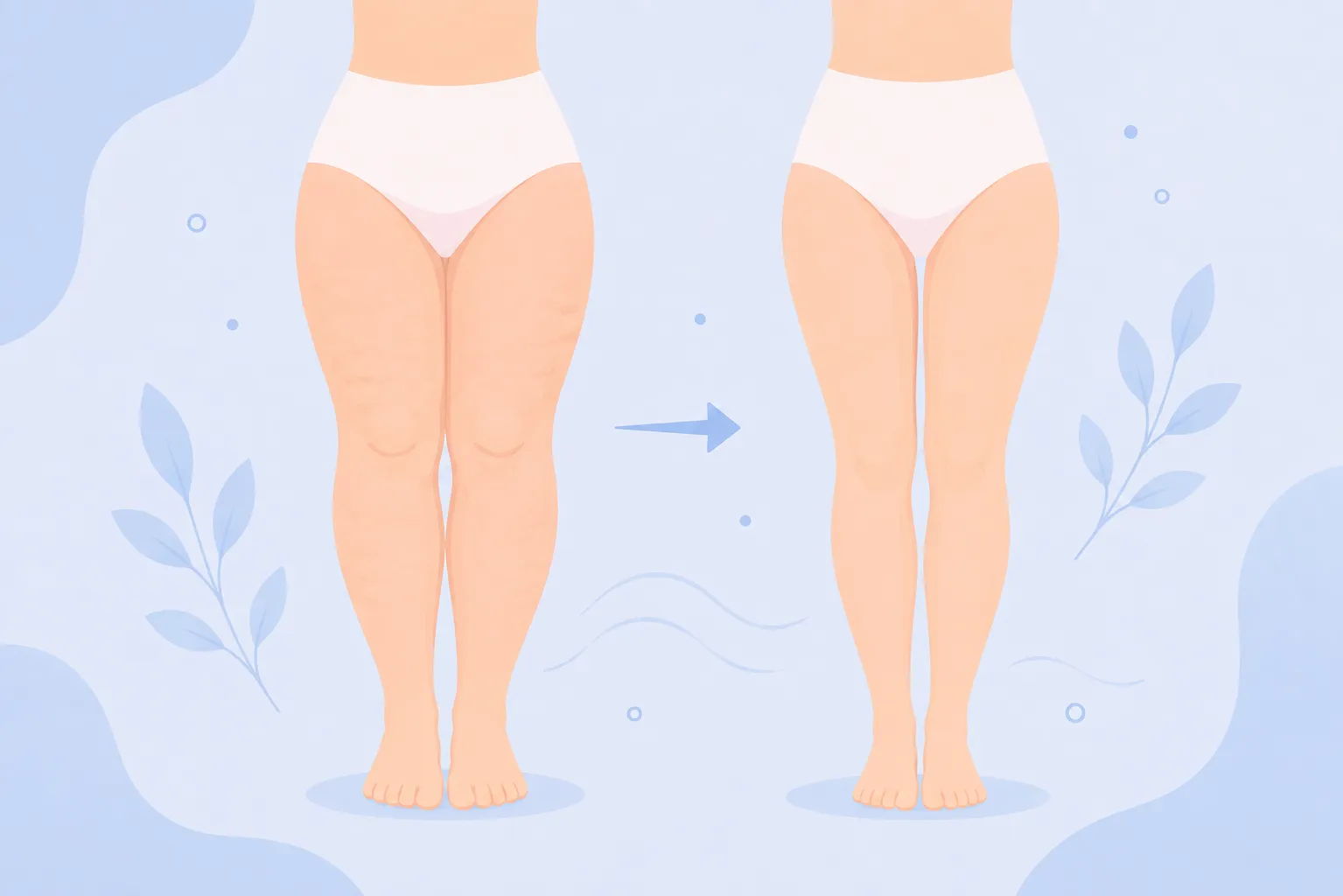
For some people, absolutely. Studies have found improvements in pain, sensitivity, swelling, mobility, quality of life, and even body appearance and proportions after liposuction specifically for lipedema.
But it's important to approach the surgery with realistic expectations: it does not eliminate the tendency to lipedema, does not guarantee that the disease will not progress, and does not replace the need for its long-term management. Sometimes multiple surgeries are needed, and recovery requires patience and adherence to instructions.
Ultimately, the goal of surgery is not just to remove fatty tissue, but to reduce the burden that lipedema creates, improve symptoms, function, and appearance, and enable a better quality of life over time.
Sources
- Safety and Effectiveness of Liposuction Modalities in Managing Lipedema: Systematic Review and Meta-analysis (Archives of Plastic Surgery, 2024)systematic review and meta-analysis of 20 studies on the safety and effectiveness of liposuction techniques.
- Efficacy of Liposuction in the Treatment of Lipedema: A Meta-Analysis (Cureus, 2024)improvement in pain, edema and quality of life - yet over half of patients still needed conservative therapy after surgery.
- Lipedema - Pathogenesis, Diagnosis, and Treatment Options (Deutsches Ärzteblatt International, 2020)comprehensive review: conservative therapy as first line, with liposuction for permanent fat-tissue reduction.
- LIPLEG - randomised controlled trial comparing surgery versus complex physical decongestive therapy (Trials, 2021)randomised controlled trial in 405 women comparing liposuction against conservative decongestive therapy.
- NHS - Lipoedemawhen liposuction is considered, and why more than one operation may be needed.
- Cleveland Clinic - Lipedemaliposuction methods that reduce the risk of lymphatic damage, and expected recovery times.
Reader feedback
Did you find this article interesting?
Share





Comments
0 comments |Read and add your own comment
No comments yet - be the first.