
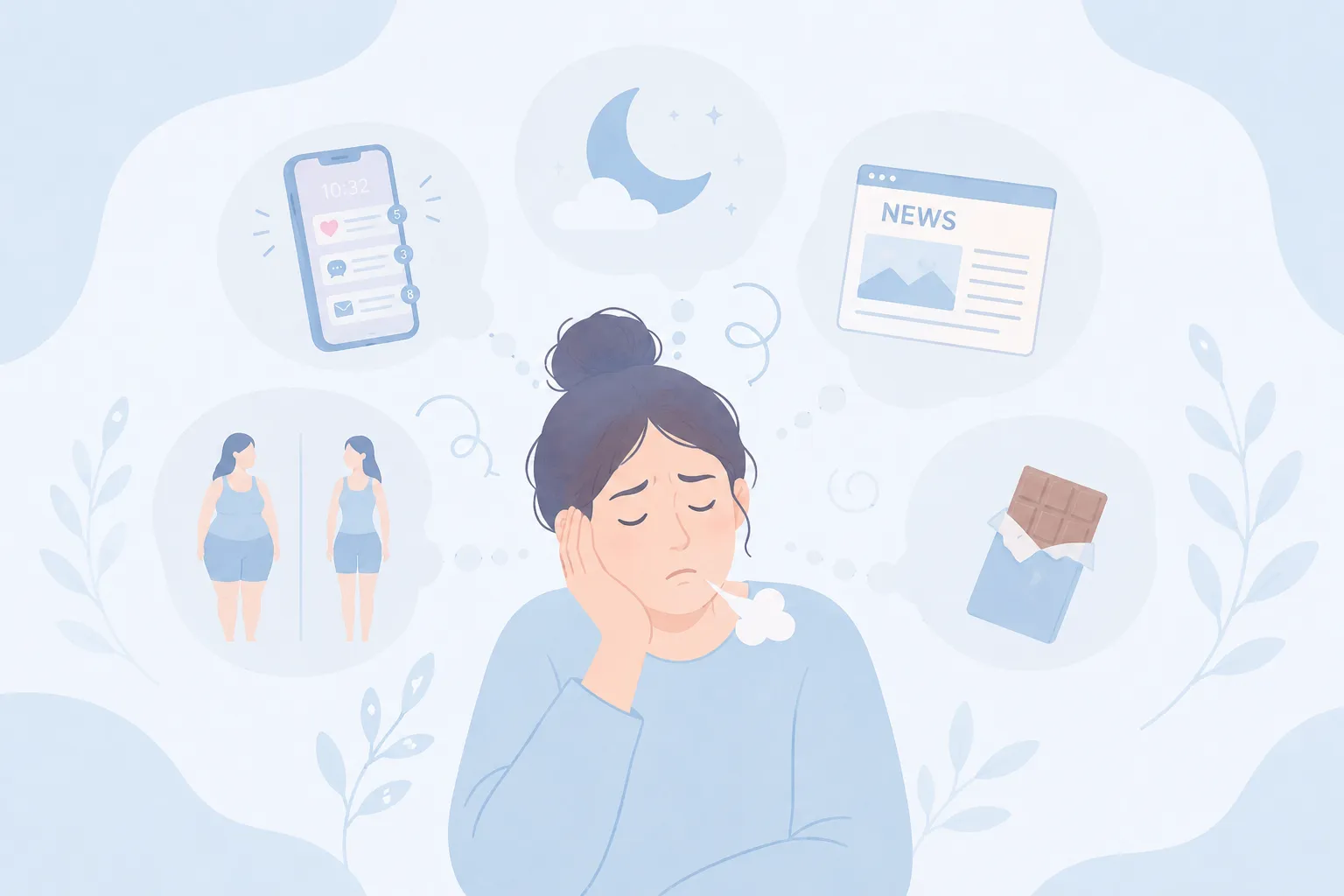
Although lipedema is a physical condition with a genetic and hormonal link, the body does not work in isolation from other systems. Periods of emotional strain, changes in routine, or ongoing stress can affect how the body feels—especially in people who are dealing with an inflammatory or tissue-sensitive condition.
Does stress cause lipedema?
As far as we know, stress does not cause lipedema to develop.
Lipedema is considered a condition with a genetic and hormonal link, and often appears or worsens during periods of hormonal changes such as puberty, pregnancy, or menopause. You can read more about this in The Effect of Hormones on the Pregnancy Cycle and the Pill.
However, it seems that stress may affect the severity of symptoms in some people who already live with lipedema.
Some people describe periods when their legs feel heavier, the pain is more pronounced, or there is a feeling of increased swelling—even without a significant change in weight.
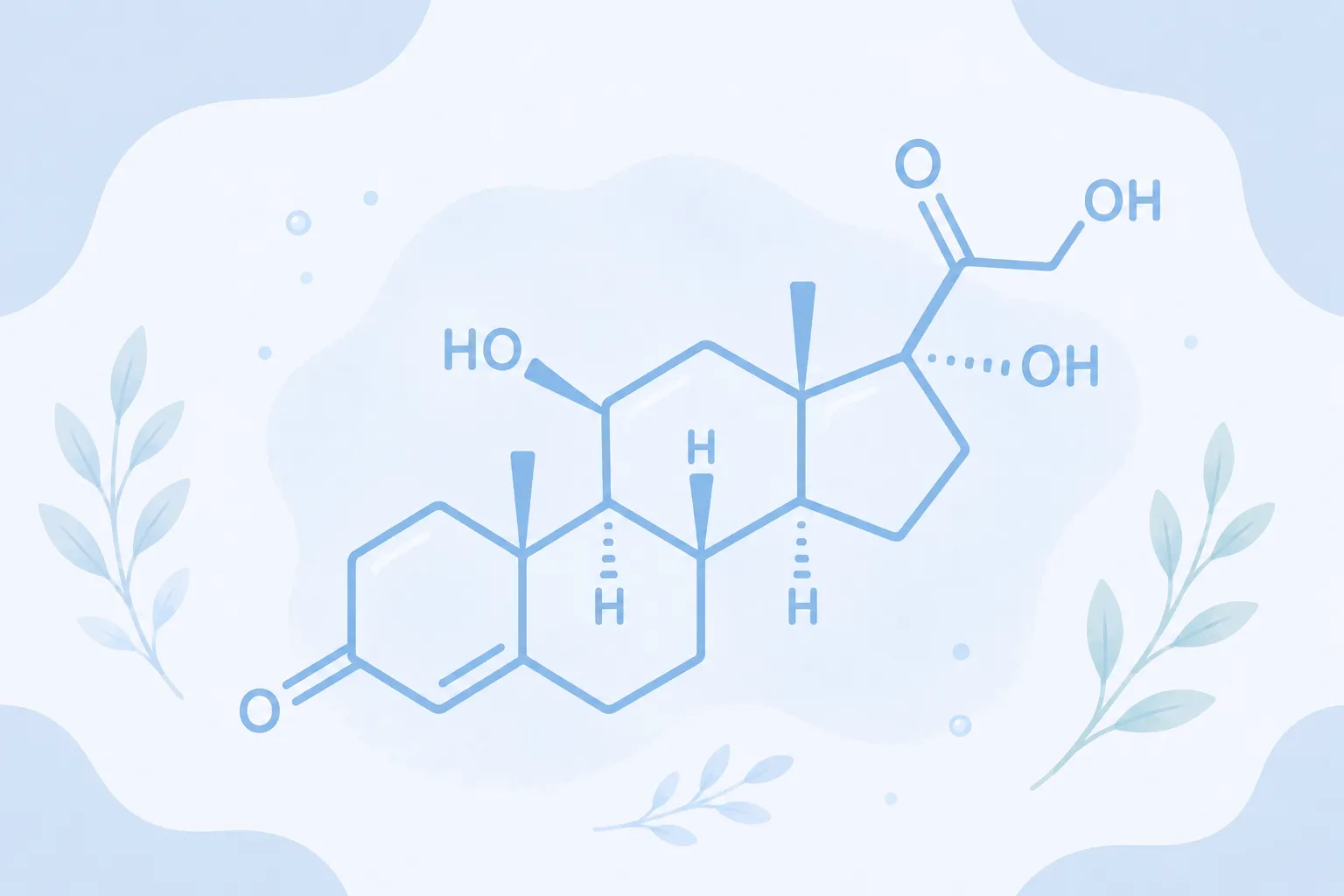
So what does cortisol do anyway?
When we are stressed, the body secretes more cortisol, a hormone that plays an important role in responding to stressful situations.
Its original purpose is to help us deal with danger in the short term. From an evolutionary perspective, you can think of a situation where the body needs to react quickly – for example, if a person is in danger or needs to flee. In such situations, the body goes into “survival” mode, investing more energy in alertness, rapid response and muscle function.
In the short term, this is a natural and even important response.
The problem begins when stress becomes a persistent condition. Some studies suggest that chronic stress may affect inflammatory processes, sensitivity to pain, fatigue and fluid retention.
Since lipedema is also associated with tissue inflammation and local sensitivity, this may explain why some people feel worse during stressful times.
Is there a connection to inflammation in lipedema?
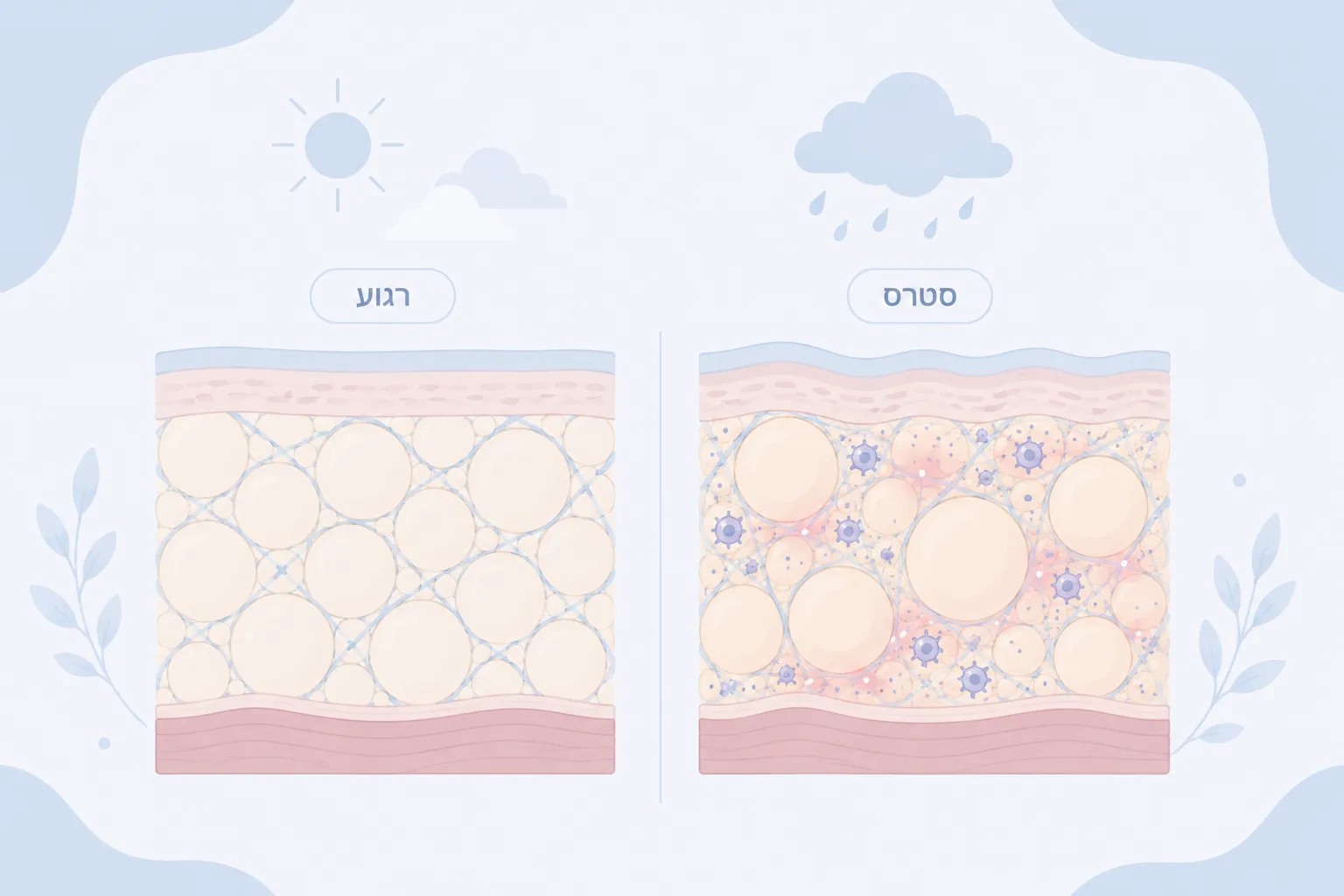
Lipedema is not just an accumulation of fat – it is now known that it also has a certain inflammatory component in the tissues.
This is one of the reasons why some researchers think that there may be an indirect connection between stress and lipedema: if chronic stress affects inflammatory processes in the body, it is possible that in some people it will also affect the feeling of pain, sensitivity or heaviness in the affected areas.
However, it is important to say that there is still no definitive answer, and the response to stress can vary greatly from person to person.
Is there a connection to the lymphatic system?
Although lipedema is not the same as lymphedema, some people may also have a certain burden on the lymphatic system – the system that is responsible, among other things, for removing fluid from tissues. If the topic is new to you, you can read more at What is the lymphatic system and what is its function?.
During stressful times, many people tend to move less, sit more, get out of their routine or drink less water. All of these may affect the feeling of heaviness and swelling in the body.
Why do some people feel worse during times of stress?
Although there is still no definitive answer, many women with lipedema report periods of worsening around stress, emotional burden or significant life changes.
Sometimes it is a greater feeling of heaviness, sometimes increased pain, and sometimes the feeling that the legs are swollen or more sensitive than usual.
For some people, a cycle also forms that is hard to break out of: stress can affect the symptoms, but living with lipedema can itself be a source of stress. Pain, discomfort, a feeling of heaviness, comparing yourself to other people’s bodies or frustration around body changes – all of these can themselves increase stress.
You can also read more in Lipedema fashion - finding it hard to know what flatters your body?.
It is important to say: not everyone living with lipedema will feel such a change, and the experience can be very personal.
What can help during stressful times?
There is no one-size-fits-all solution, but here are a few things that some people find helpful during times of stress:
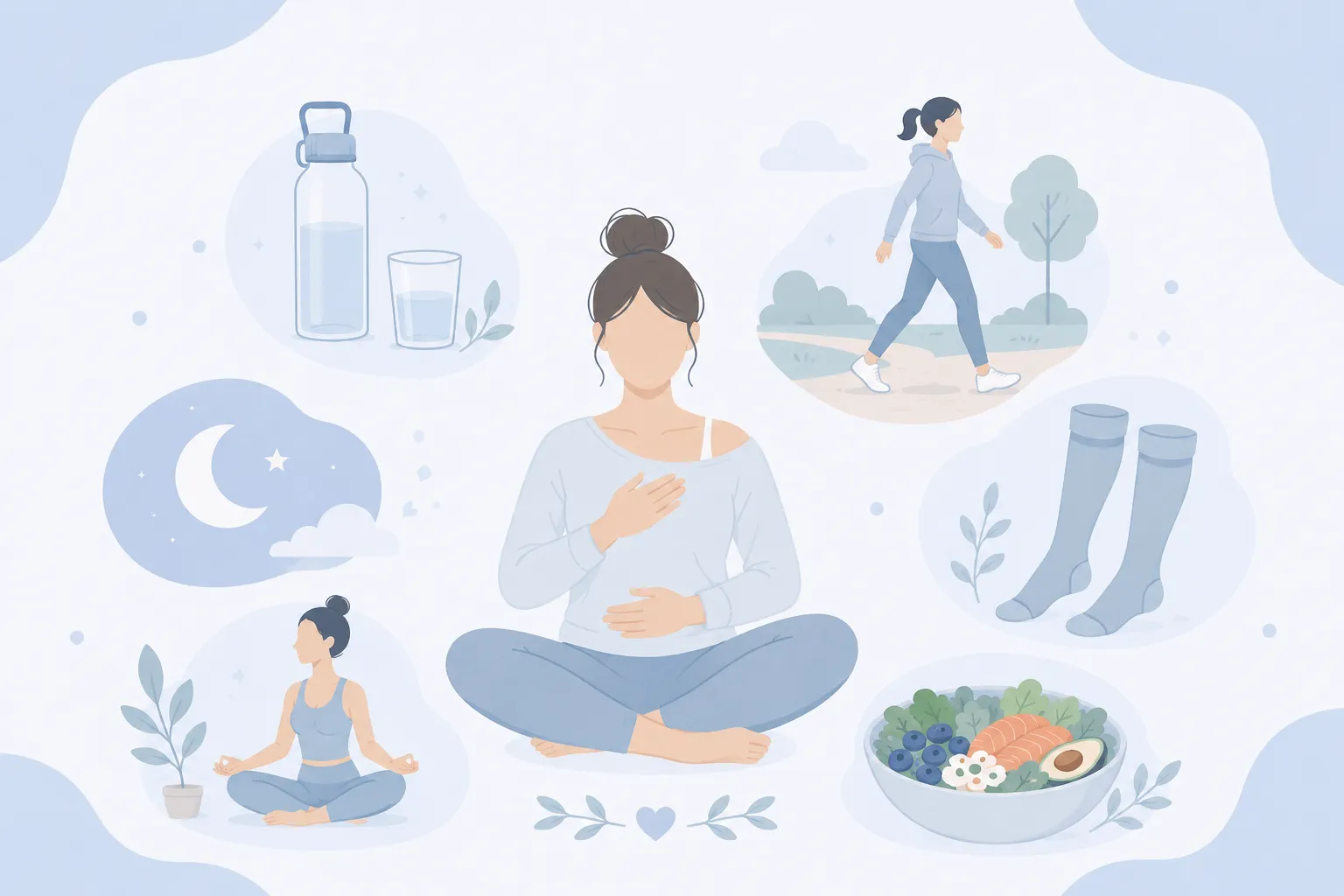
Gentle, regular movement
Moderate activity such as walking, swimming, Pilates, yoga, or cycling can help with feelings of heaviness and support blood and lymph flow.
Deep, slow breathing
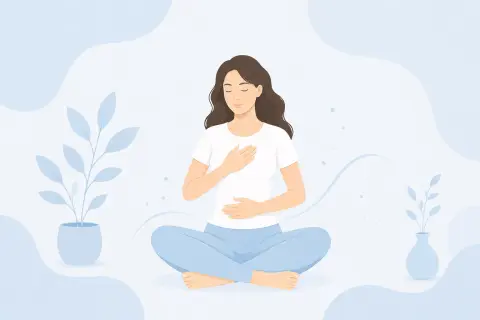
It may sound too simple, but deep breathing—especially diaphragmatic (belly) breathing—can help calm the nervous system and get the body out of “survival” mode.
Furthermore, some explain that the movement of the diaphragm during deep breathing may also have an effect on the flow of lymph fluids, which is why some people incorporate breathing exercises as part of a more relaxing routine.
Basic routine
It’s easier to get out of a routine during busy times. Drinking enough water, getting some gentle movement, and maintaining basic habits can help with your overall well-being. You can read more at Drinking Water.
Lymphatic Support
Some people find relief with lymphatic drainage, dry brushing, vibrating plate, Lifting Legs or Compression Stockings as part of a broader routine.
Nutrition that Supports the Body
Some people report that a less processed, more anti-inflammatory diet helps them feel better. You can read more in anti-inflammatory nutrition, anti-inflammatory foods, Foods to avoid And the importance of eating protein.
Stress is a part of life, and it’s impossible to avoid it entirely. But if you’ve noticed it getting worse during busy times, it’s worth paying attention to patterns and trying to support your body in ways that help you personally.
Sources
- Mental and physical health burden and quality of life in women with lipedema (2025)combined mental and physical burden in women with lipedema.
- The effect of lipedema on quality of life and psychological status — narrative review (2020)review of existing evidence on psychological status.
- Depression and appearance-related distress in functioning with lipedema (2018)the link between psychological distress and daily functioning.
- Difficulties in emotional regulation among females with lipedema (2022)emotional regulation as part of coping.
- Standard of care for lipedema in the United States (Phlebology, 2021)recommendation to include psychological support in care.
- Cleveland Clinic – Lipedemathe condition's impact on functioning and quality of life.
Reader feedback
Did you find this article interesting?
Share

Comments
0 comments |Read and add your own comment
No comments yet - be the first.