
All About Lipedema
Information and practical tools.
Category
How lymph works, manual drainage, compression garments, and at-home care.

Lipedema is a complex condition, so it is natural that, alongside the familiar treatments, new directions are also developing that try to find ways to relieve pain, swelling, sensitivity, and a feeling of heaviness. One area that has attracted attention in recent years is light therapy, and in particular the use of red and infrared light in a treatment called photobiomodulation.
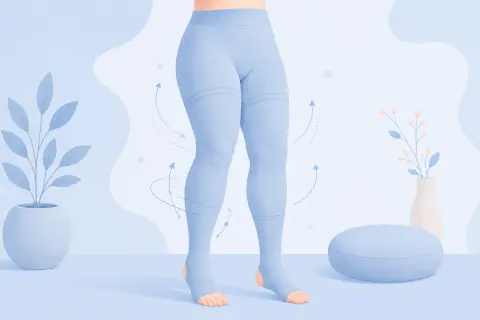
Compression stockings are considered one of the most common tools in the management of lipedema, and are often part of the treatment routine alongside exercise, a healthy diet, manual therapy, and maintaining a healthy lymphatic system. Their purpose is not to “make” lipedema disappear, but to provide tissue support, help with feelings of heaviness and swelling, and sometimes also improve comfort and daily functioning.

Feeling heavy, pressured, tired or swollen in the legs is something that many people with lipedema are familiar with - especially after a long day of standing, sitting or being in the heat. Sometimes the feeling is of legs becoming "heavy", tender or less comfortable as the day progresses.

In recent years, a vibrating plate has become one of the devices that more and more women with lipedema are talking about. On social media and in support communities, you can find women who talk about feeling lighter, less heavy, and sometimes less swollen after regular use.

Dry brushing is a technique in which a brush is used on dry skin, and it is sometimes incorporated into lipedema care routines. Many people use it to support a lighter feeling, reduce heaviness, and improve how their skin feels.
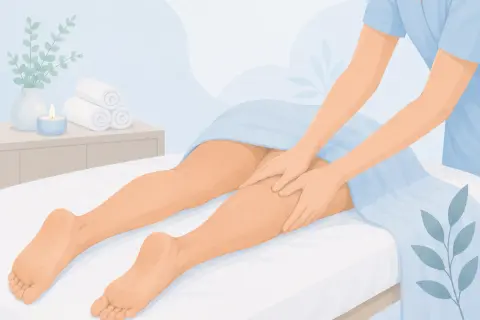
Lymphatic drainage is a gentle treatment aimed at encouraging normal flow of lymph fluid in the body. Unlike deep or firm massage, it is usually performed with gentle, slow, rhythmic strokes directed at specific areas of the body.
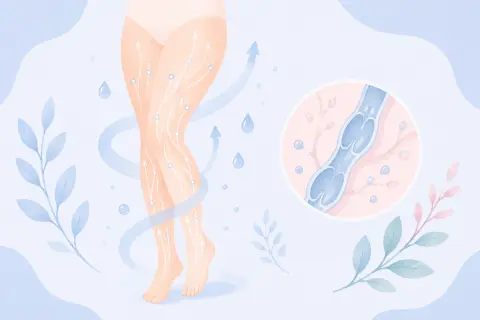
The lymphatic system is one of the body's important systems, yet also one of the least well known. It is responsible, among other things, for clearing excess fluid from tissues, supporting the immune system, and helping remove various substances from the body.
Lipedema and lymphedema are two different conditions, and they are frequently confused. They do touch, though: in advanced stages lymphatic involvement can develop, and several conservative treatments — compression, drainage, movement — rest on the same logic of supporting fluid flow.
The articles in this category explain how the lymphatic system works, what separates the two conditions, and where the familiar tools fit into everyday care.
What is still unknown: Evidence quality varies between methods: compression has a relatively solid research base, while other approaches rest largely on clinical experience and small studies. We note the difference in each article.