
All About Lipedema
Information and practical tools.
Category
Anti-inflammatory eating, protein, quality carbs — what helps and what does not.

Many people with lipedema find that despite careful diet, exercise, and weight loss, areas like the legs, thighs, or arms remain virtually unchanged. While other parts of the body may shrink, areas of lipedema often remain similar in size and shape. In this article, we'll understand why this happens, what's currently known about lipedema tissue, and what nutrition can still contribute despite the challenges.

Drinking water is one of the most basic habits for good health, but for people with lipedema, it can be especially important. Drinking enough water can support lymphatic fluid flow, a sense of lightness, energy levels, and overall well-being as part of a broader lipedema management routine.
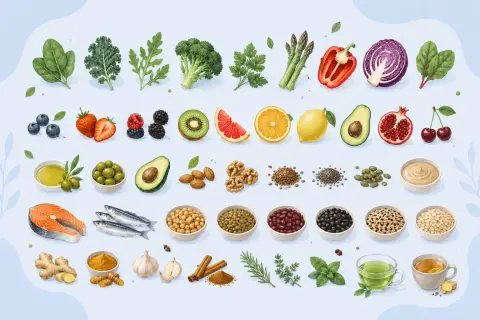
An anti-inflammatory diet focuses on foods that may help reduce inflammatory processes in the body, alongside limiting ultra-processed foods, high amounts of sugar, and certain foods that may increase inflammation in some people.

An inflammatory dietary pattern is one based more on ultra-processed foods, high amounts of sugar, certain fats, and foods that may promote sharp blood sugar swings or increase inflammatory processes in some people.

Protein is one of the most important nutrients in the diet — especially for people living with lipedema. Although protein does not "cure" lipedema, it may support the body in important ways: maintaining muscle mass, satiety, blood sugar balance, and tissue health.
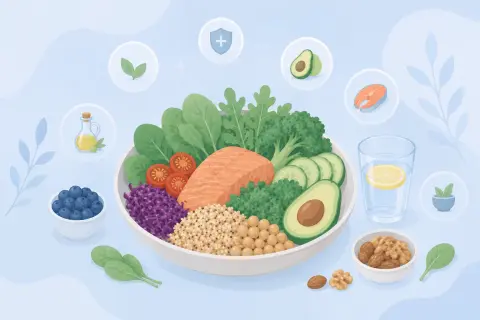
An anti-inflammatory diet is a nutritional approach aimed at reducing chronic inflammatory processes in the body as much as possible through specific food choices.
Nutrition does not cure lipedema, and no dietary approach has been shown to remove the tissue that characterises it. What does emerge from the literature is that diet may influence accompanying symptoms — swelling, heaviness and general inflammation — and how you feel day to day.
The articles here focus on what has some basis: anti-inflammatory eating patterns, the role of protein, hydration, and what is less recommended. They are not a diet plan, and they do not replace a dietitian who knows your situation.
What is still unknown: Most nutrition research in lipedema is small and sometimes relies on self-report. We say so explicitly when a claim rests on limited evidence, and prefer describing a direction over promising a result.