
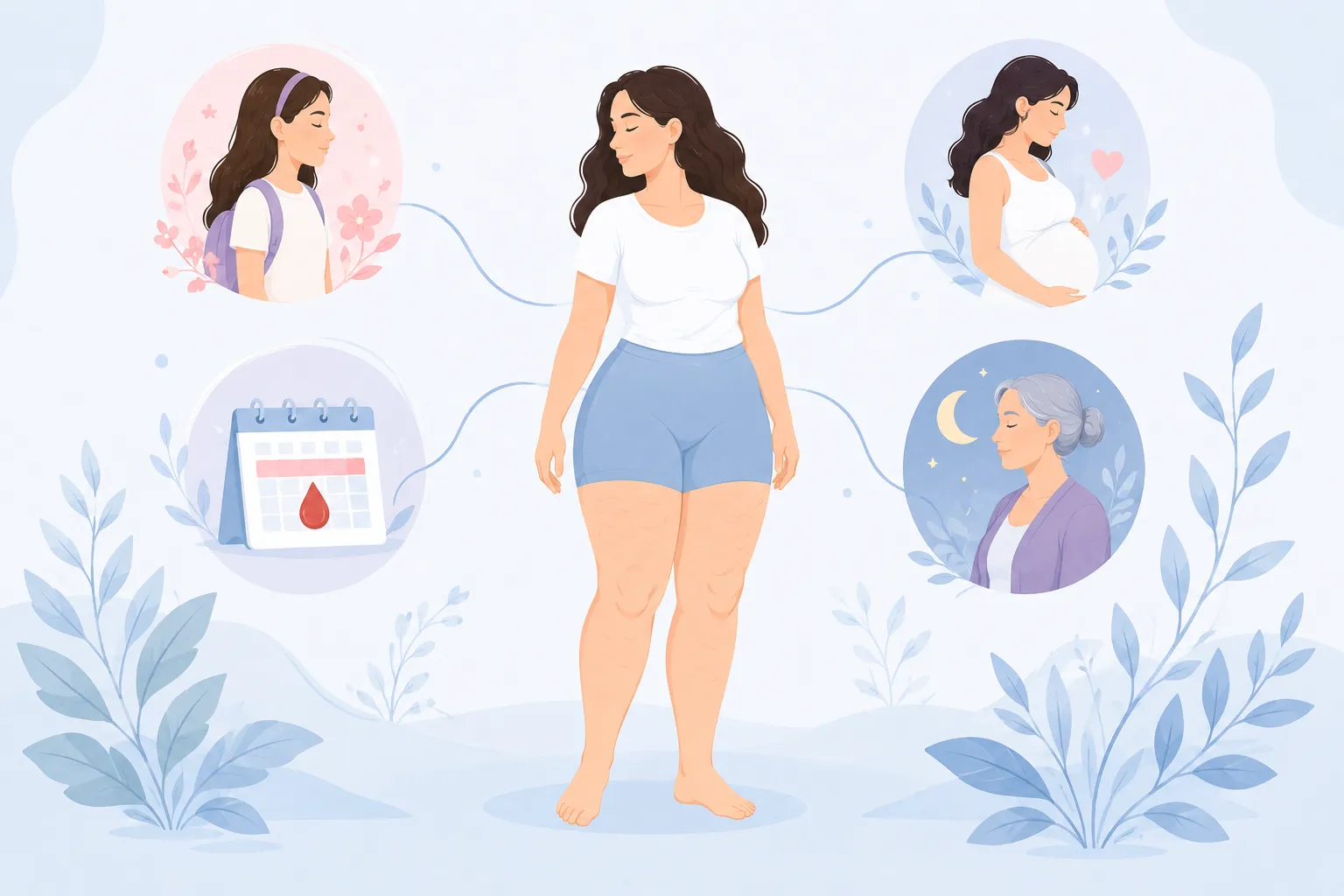
Lipedema is a disease that is largely influenced by hormonal changes. Many women report that symptoms first appeared during puberty, after pregnancy, around menopause, or following a change in hormone therapy. Although the exact cause of lipedema is still unknown, studies suggest that hormones – especially estrogen – play a significant role in the development and worsening of the disease.
Why do hormones affect lipedema?
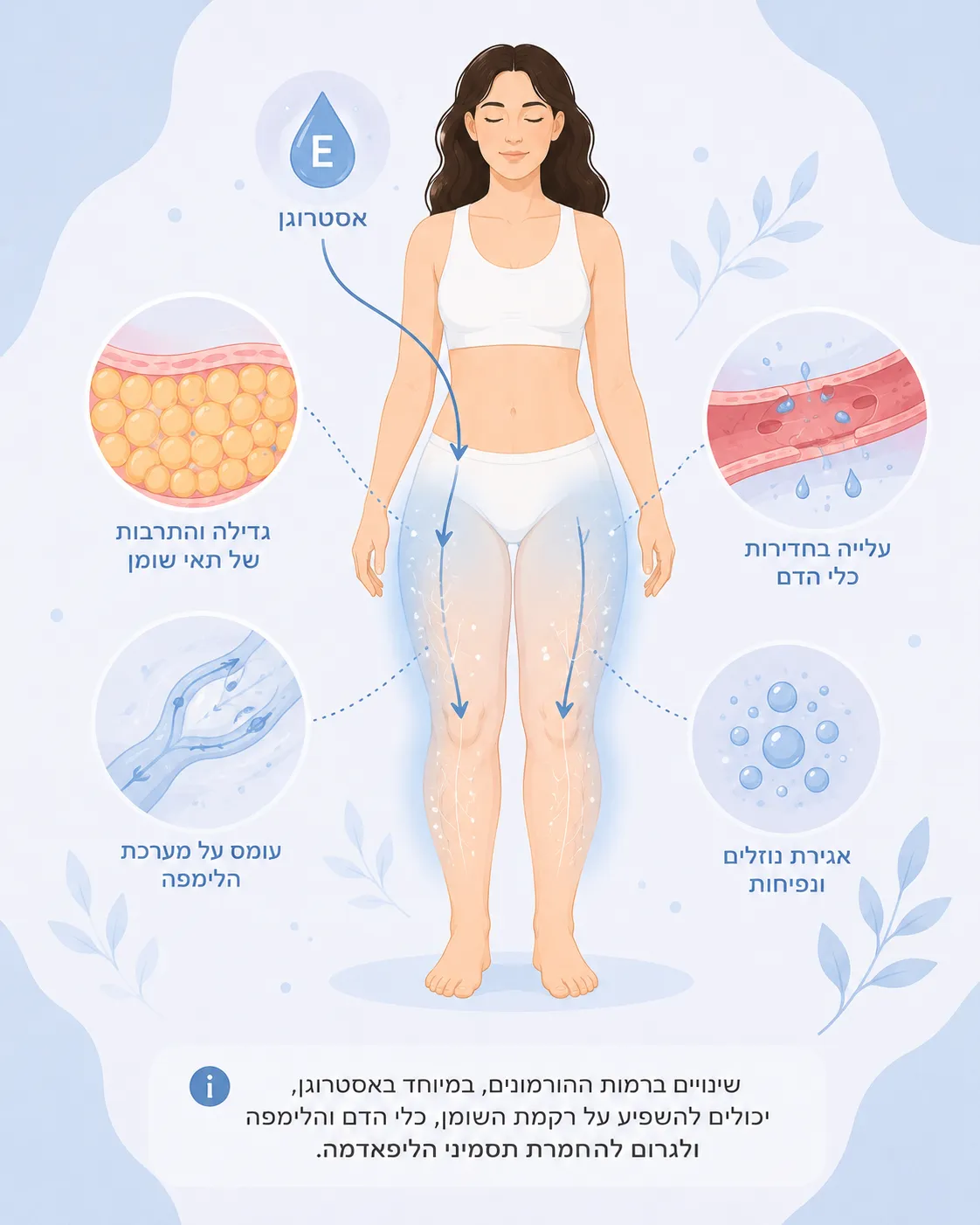
Lipedema fat tissue does not behave like normal fat tissue. It contains receptors for hormones, especially estrogen, and is therefore very sensitive to hormonal changes.
When hormone levels change, several processes can occur simultaneously:
Fat cells can grow and multiply.
Blood vessel permeability can increase, so that more fluid leaks into the tissues.
Local inflammation can increase.
The lymphatic system can have difficulty removing excess fluid.
The combination of all these factors can cause more swelling, pain, heaviness and a feeling of pressure in the legs or arms.
Puberty – for many, this is the stage where it all begins
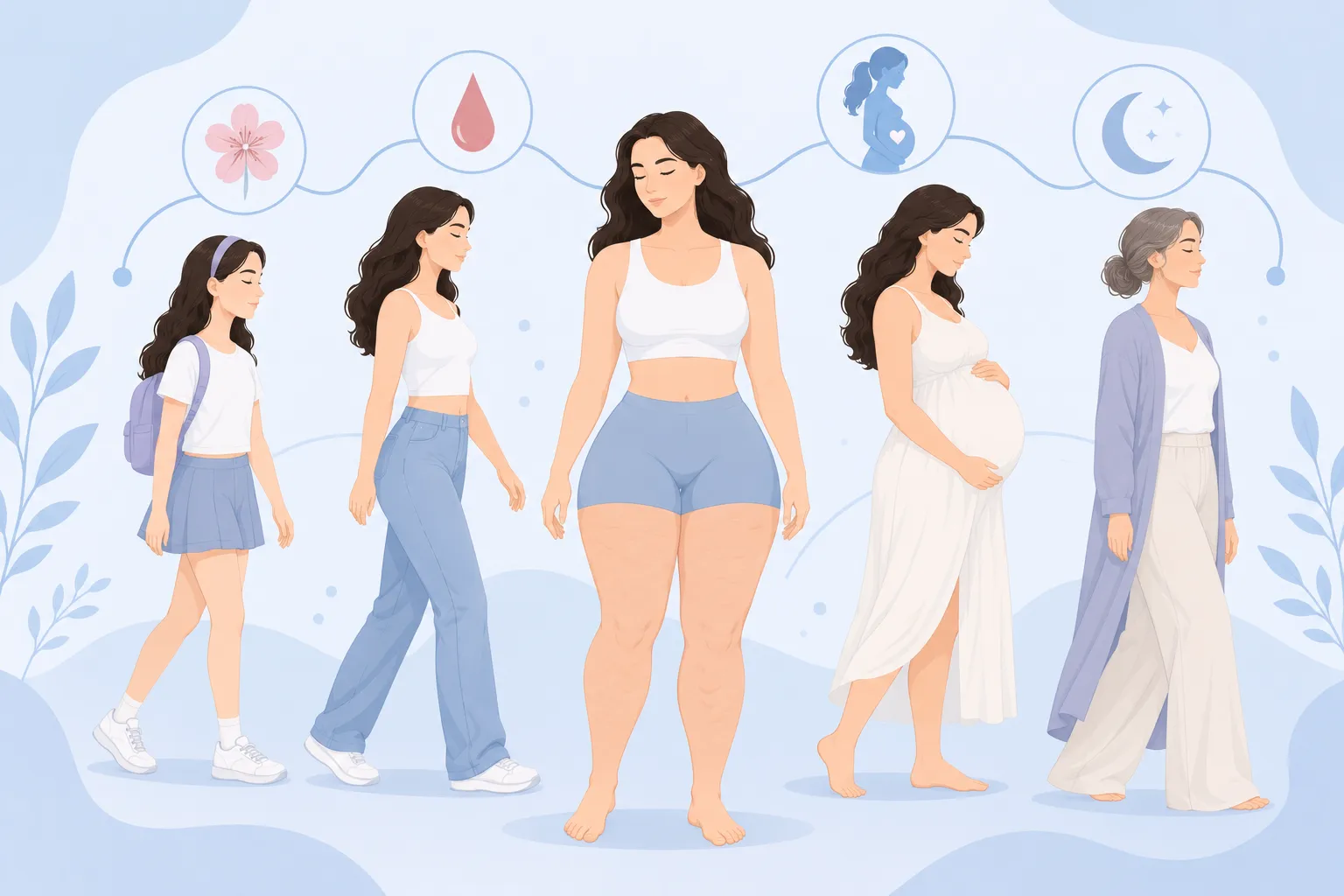
One of the most striking characteristics of lipedema is that symptoms often first appear during puberty.
At this stage, the body undergoes a significant increase in estrogen levels, and hormonal changes affect the development of adipose tissue. In those with a genetic predisposition to lipedema, these changes may be the first trigger for the development of the disease.
Some girls begin to notice that their legs or thighs are growing in a way that does not match the rest of the body, and sometimes pain, sensitivity to touch or a tendency to bruise also appear. In many cases, the environment interprets this as normal obesity, so the diagnosis is delayed for years.
Menstrual cycle – why do symptoms worsen before menstruation?
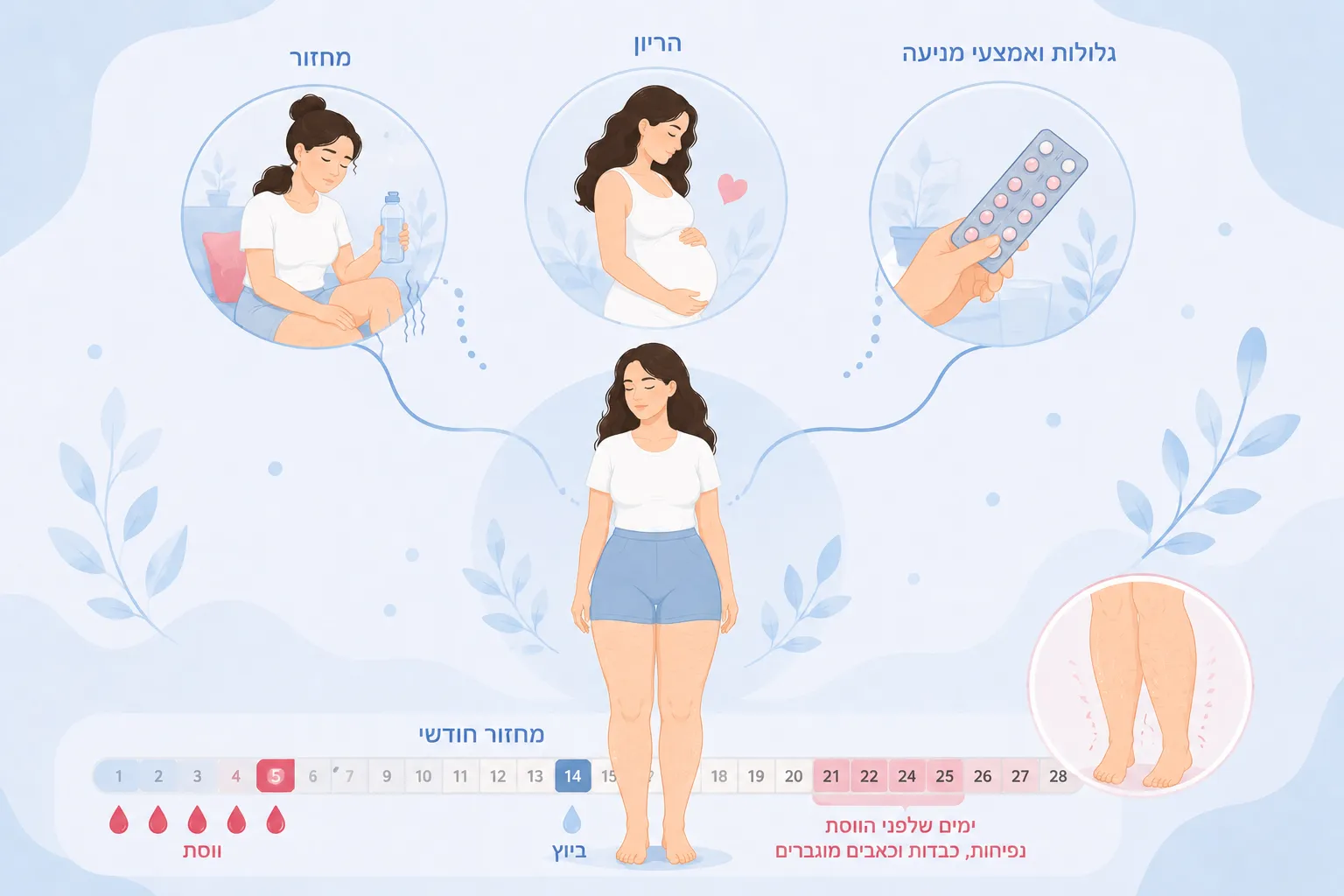
Many women with lipedema report that their symptoms worsen in the days before and during their period.
During the menstrual cycle, natural changes in estrogen and progesterone levels occur. These changes can cause more fluid retention in the body and increase the inflammatory process in the lipedema tissue.
As a result, you may experience:
- More swelling in the legs or arms.
- A feeling of heaviness.
- More severe pain.
- Increased sensitivity to touch.
- A feeling that the compression stockings are more pressing than usual.
For many, the symptoms gradually subside after the end of menstruation, when the hormonal balance changes again.
Pregnancy – a period of significant changes
During pregnancy, the body goes through one of the biggest hormonal changes in a woman’s life. Estrogen and progesterone levels increase significantly, blood volume increases, and there is a natural tendency to retain fluid.
For some women with lipedema, this combination may worsen swelling, pain, and heaviness in the legs or arms.
However, it is important to know that not every woman will experience a worsening of her condition during pregnancy. Some women report a significant change, while others remain relatively stable.
During pregnancy, it is especially important to continue medical monitoring, maintain gentle movement, use compression stockings if necessary, and drink enough fluids according to the recommendations of the treating team.
Pills and hormonal contraceptives
Hormonal contraceptives, especially those containing estrogen, affect the body's hormonal system. Because lipedema is very sensitive to hormonal changes, in some women they may be accompanied by the appearance or worsening of symptoms.
External hormones may affect fat tissue, blood vessel permeability, and fluid retention - mechanisms known to be associated with lipedema.
However, the response to hormone therapy varies greatly from woman to woman. Some women do not feel any change, while others report a significant worsening after starting treatment.
If you have been diagnosed with lipedema or suspect the disease, it is recommended to inform your gynecologist before starting hormone therapy or when considering a new contraceptive method. If a worsening occurs after starting treatment, it is worth returning to medical advice and checking whether there are other options that are more suitable for your condition.
It is also important to remember that it is not always possible to know whether the change is due to the treatment itself or simply a coincidence with another hormonal change in life. Therefore, each case should be examined individually.
Menopause – when the balance changes again
Menopause is also a period of significant hormonal change. Estrogen levels drop, the body changes the way it distributes fat, metabolism tends to slow down and muscle mass naturally decreases.
In some women, these changes may be accompanied by a worsening of lipedema symptoms, such as:
- Increased swelling.
- Increased pain.
- Feeling of heaviness.
- Greater difficulty losing weight.
Some women receive hormone replacement therapy (HRT) to relieve menopausal symptoms. The decision whether such treatment is appropriate should be made together with the treating doctor, taking into account the health status and characteristics of each woman's lipedema.
Can hormonal exacerbations be prevented?
The body's natural hormonal changes cannot be prevented, but their impact can certainly be reduced in some women.
Among the actions that may help:
- Maintain a stable weight as much as possible.
- Adhere to an anti-inflammatory diet.
- Sufficient drinking of water.
- Adapted physical activity.
- Use of compression stockings if necessary.
- Lymphatic drainage with a qualified therapist.
- Monitoring the menstrual cycle to identify patterns of exacerbation and prepare for them in advance.
Getting to know your body and understanding the periods when symptoms tend to worsen can help you better plan your life routine and reduce the impact of challenging periods.
Sources
- Impact of hormones on lipedema development: a systematic literature review (2026)systematic review of the hormonal link to disease development.
- Lipedema and the potential role of estrogen in excessive adipose tissue accumulation (IJMS, 2021)the role of estrogen receptors in adipose tissue.
- Menopause as a critical turning point in lipedema (IJMS, 2025)a model explaining worsening around menopause.
- Standard of care for lipedema in the United States (Phlebology, 2021)onset and worsening at puberty, pregnancy and menopause.
- S2k guideline lipedema (JDDG, 2024)updated German clinical guideline for diagnosis and treatment.
- Cleveland Clinic – Lipedematypical timing of symptom onset.
Reader feedback
Did you find this article interesting?
Share




Comments
0 comments |Read and add your own comment
No comments yet - be the first.