
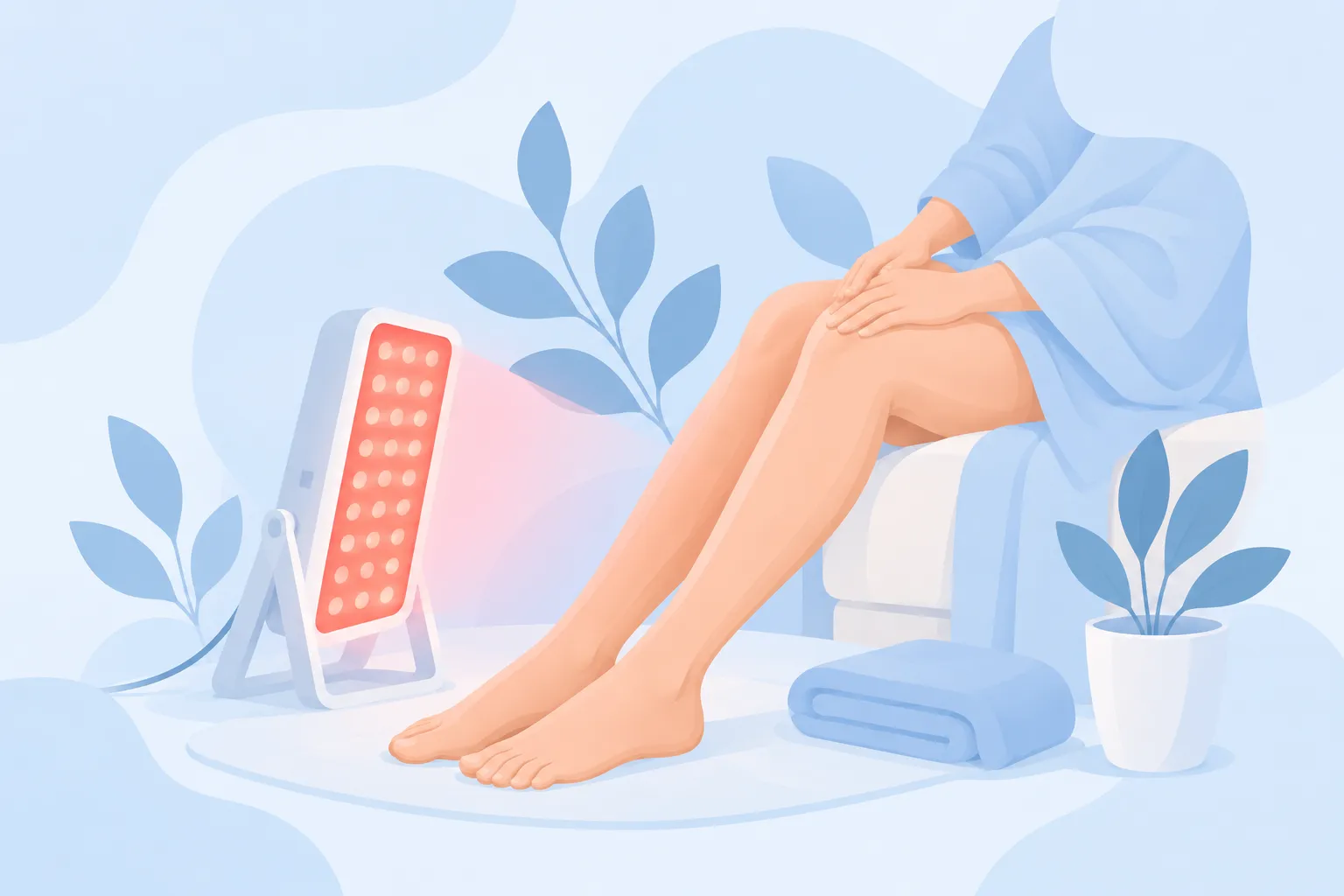
But what exactly does this light do? Can it really help lipedema? Does it affect the lipedema tissue itself, or is it mostly a marketing promise? To answer these questions, it is important to separate what has already been studied and is being used in various medical conditions, and what we are still only beginning to learn about the specific connection to lipedema.
What is infrared light anyway?
Infrared light is a type of electromagnetic radiation that is beyond the red light that we can see with the eye. In photobiomodulation, certain wavelengths of red or infrared light are used, usually using LEDs or lasers, in order to influence processes within the tissues.
The goal is not to heat the body like in a sauna, but to provide the tissue with light energy at a defined dose and wavelength. Different wavelengths can penetrate tissue to different depths, so not every device that is defined as “red light” or “infrared” is necessarily the same treatment.
This is an especially important distinction when it comes to home products that promise dramatic results: just because a device produces red or infrared light does not mean it provides the same treatment that was tested in the study.
Why is light even thought to be relevant to lipedema?
One of the main areas in which photobiomodulation is being studied is its effect on pain, inflammation, and tissue healing processes. Studies in various medical conditions indicate the possibility of effects on cellular activity, processes related to inflammation, and pain, although results vary depending on the medical condition, wavelength, and treatment protocol.
The connection to lipedema is interesting because the condition may be accompanied by pain, sensitivity to touch, a feeling of heaviness, swelling, and changes in tissues. Therefore, the question arises whether light therapy can actually help manage symptoms, and not necessarily change the very existence of the lipedema tissue.
And this is a significant difference. A treatment that relieves pain or a feeling of heaviness is not necessarily a treatment that changes the biological process behind lipedema.
Can infrared light dissolve lipedema fat?
Here it is important to pause for a moment in the face of one of the most common promises in the world of light therapy.
There is currently no sufficient basis to say that infrared light "dissolves" or removes lipedema fat.
Lipedema is not simply a condition in which more normal fat has accumulated, and therefore weight loss does not necessarily behave in the same way in lipedema tissue and other fatty tissues. As we explained in the article Why don't regular diets always affect lipedema?, it is important to distinguish between A general decrease in body fat and a change in the tissue affected by lipedema.
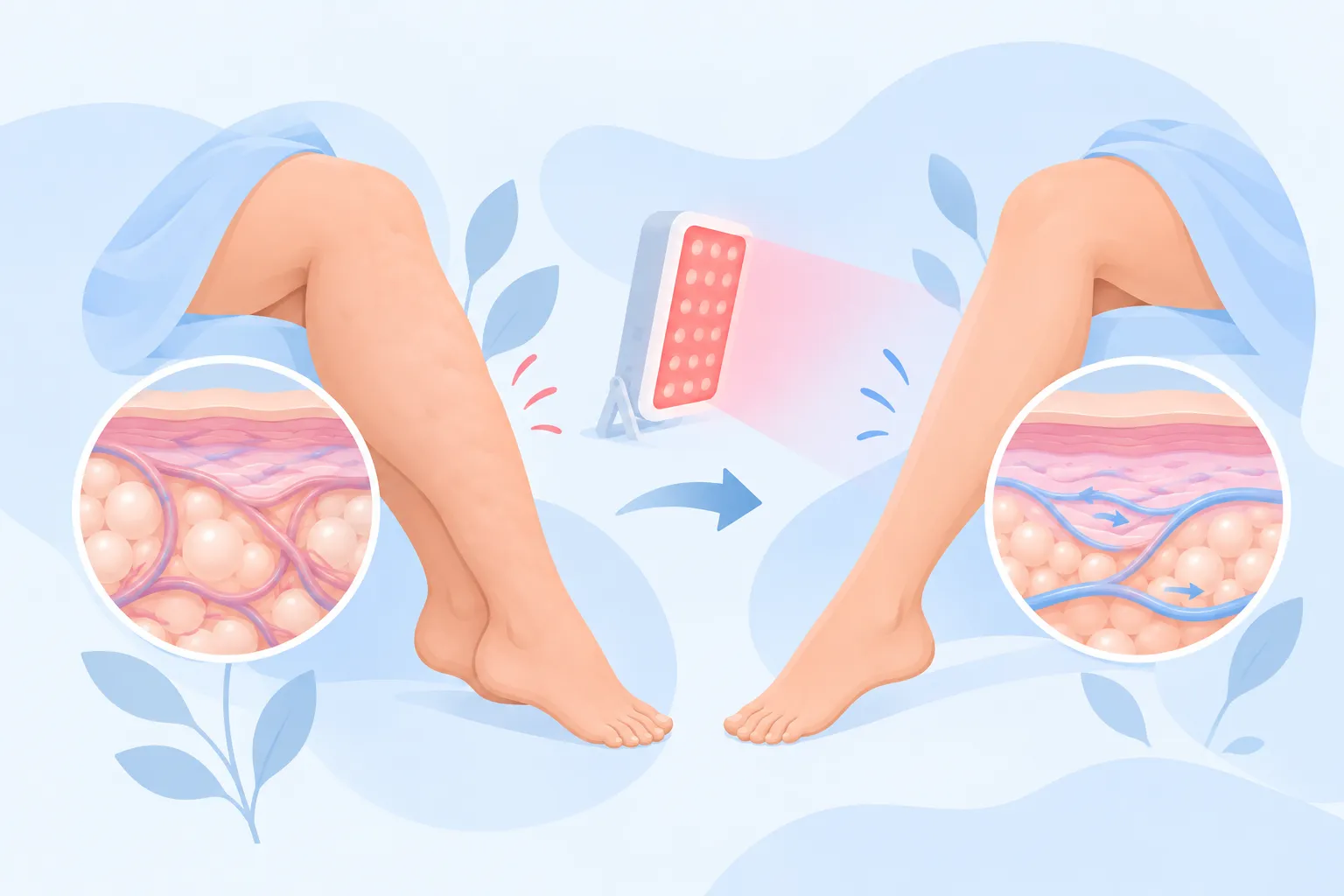
Even if a certain treatment causes a temporary reduction in the feeling of swelling or a change in volume due to fluids, this does not mean that the lipedema tissue has been “burned off.”
Therefore, it is worth considering with skepticism promises such as “burning lipedema fat using light” or “disappearing lipedema without treatment.” These are much more unambiguous formulations than the existing research allows us to say.
And what does the research say specifically about lipedema?
This is where things get particularly interesting.
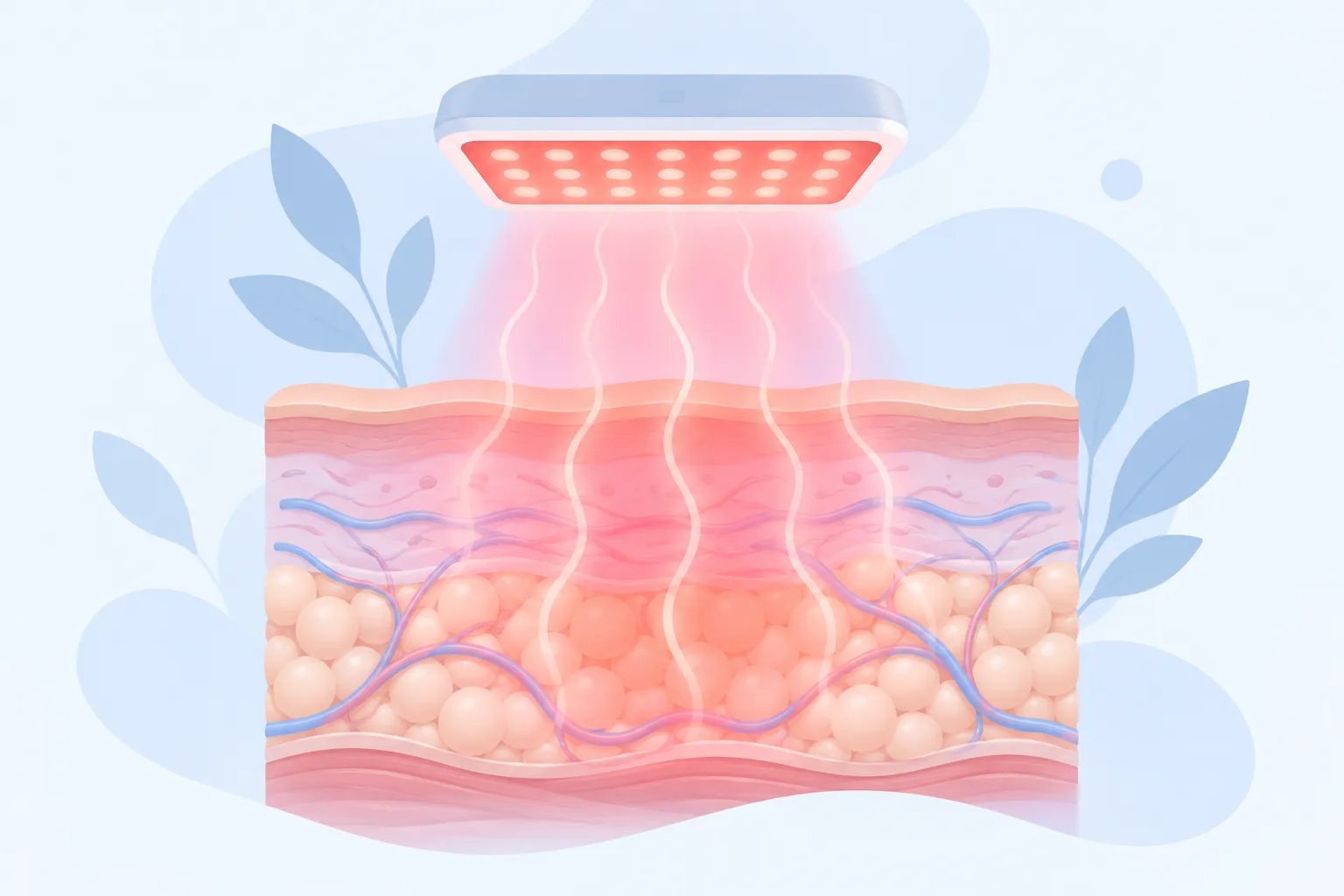
A recently published preliminary study examined the effect of photobiomodulation using red and infrared light on lipedema tissue. The study included three patients who underwent surgery to remove tissue, where before the surgery one area of the body received light treatment and the other side served as a control.
Examination of the tissues revealed differences between the treated and control areas, including changes in fat cell size, markers related to inflammation, and apoptosis—a process of programmed cell death.
This is certainly an intriguing finding, but it’s equally important to understand what this study does not prove.
Three patients is a small sample size, and the study examined the biological response of the tissue after exposure to treatment under very specific conditions. It did not prove that light therapy causes a significant reduction in lipedema, did not examine long-term improvement in symptoms, and does not allow for the determination of the ideal treatment protocol.
In other words, this is preliminary evidence that warrants further study—not proof that light therapy is a proven treatment for lipedema.
Could it help with pain and heaviness?
This is perhaps the most interesting practical direction.
Studies of photobiomodulation in other conditions have found potential for reducing pain and improving function, and reviews of clinical trials have found positive results in some conditions, with significant variation between studies and protocols.
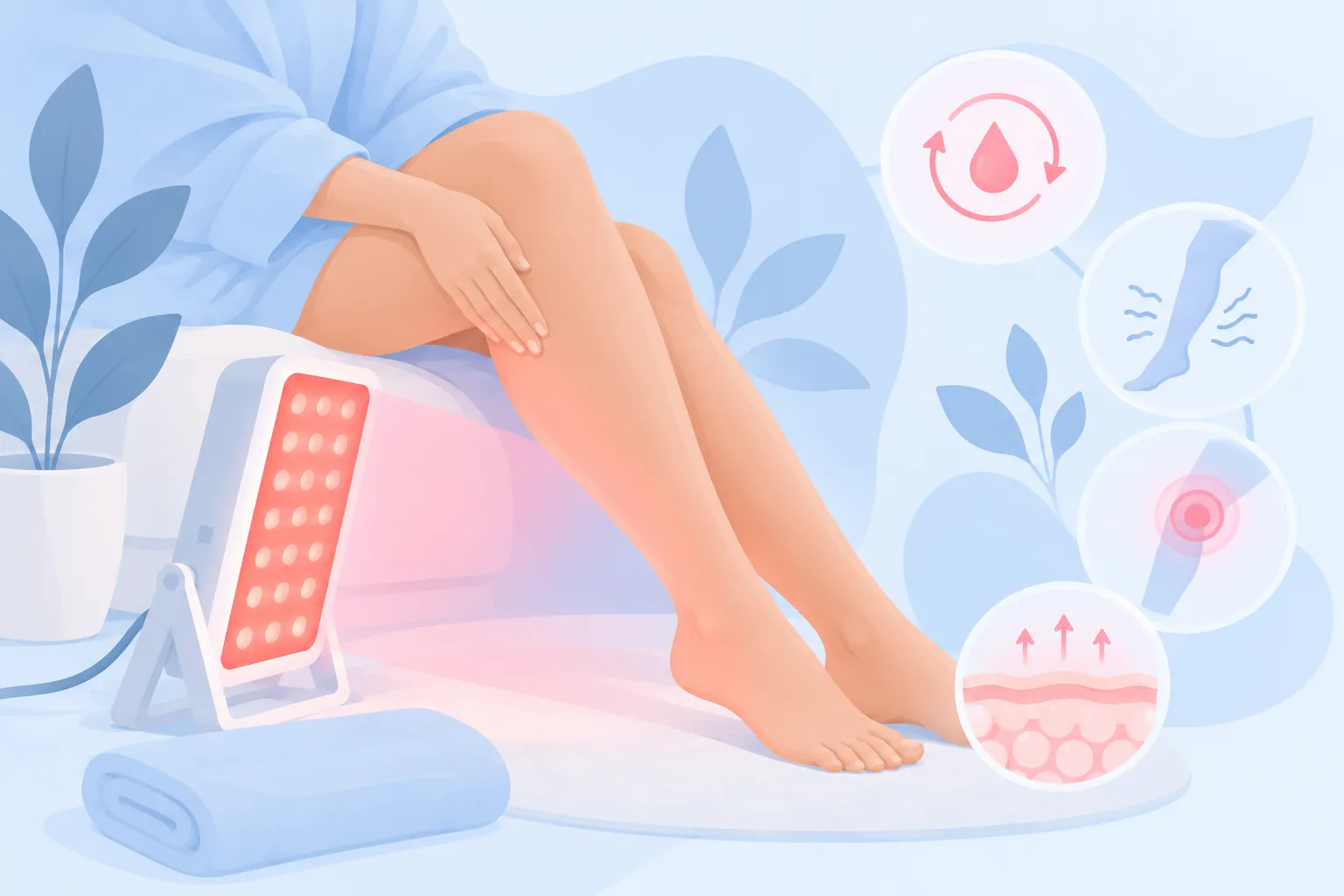
So, if light therapy is found to help people with lipedema in the future, its main value may lie in relieving symptoms such as pain and tenderness—not in eliminating the lipedema tissue.
This also fits better with how we should think about managing lipedema in general: the goal is not always to “eliminate” the disease, but to find a combination of treatments that helps reduce symptoms and improve quality of life.
And what about swelling and the lymphatic system?
Here too, it’s worth being careful with promises.
There is research on the possible effects of photobiomodulation on processes related to blood flow, inflammation, and tissue function, but there is no reason to conclude that all infrared therapy is actually “lymphatic drainage.”
Infrared light is not a substitute for compression therapy, movement, lymphatic drainage, or any other treatment that is appropriate for your individual condition. If there is significant edema or involvement of the lymphatic system, it is important to treat it accordingly and not assume that light therapy alone will resolve it.
Photobiomodulation, if and when found appropriate, can be thought of as a possible part of a broader toolbox—not as a replacement for the other tools.
Not all infrared therapy is the same
This is perhaps one of the most important things to know before purchasing a home device.
The effect of photobiomodulation depends on parameters such as wavelength, light intensity, dosage, duration of exposure, distance from the device, and frequency of treatments. Therefore, it is impossible to take a result from a study using a particular device and assume that every home infrared lamp will produce the same effect.
More light is not necessarily better, and longer treatment is not necessarily more effective.
Is it safe?
Light therapy is not necessarily dangerous, but it is also not correct to present it as completely safe in every situation and with every device. The level of safety depends, among other things, on the type of device, wavelength, intensity and method of use.
Therefore, it is important to use the device according to the manufacturer's instructions and to avoid improvisations or prolonged exposure with the thought that "stronger treatment will work better". In cases of an existing medical condition, medication or a question about personalization, it is worth consulting with an appropriate professional.
And most importantly - light therapy should not replace established medical treatment just because it is presented as natural, gentle or innovative.
So is it worth trying?
As of today, infrared light is an interesting and promising area of research, but it is not yet a proven treatment that cures lipedema or increases lipedema tissue.
The existing evidence allows us to talk about the potential for an effect on pain and processes related to inflammation, and at the same time, initial evidence that directly affects lipedema tissue is also beginning to accumulate. However, the research specifically on lipedema is still very small, so larger, more controlled studies are needed to understand whether there is a significant clinical benefit, who it is suitable for, and what the correct treatment protocol is.
If you choose to use such a treatment, it is worth doing so with realistic expectations: not looking for a “lipedema fat burner,” but rather to see if it helps with your individual symptoms and sense of well-being.
What’s important to remember?
Infrared light is not magic, but it’s not a completely unfounded idea either. Photobiomodulation is a field that has been studied in a variety of conditions, including pain and inflammation, and the initial research in lipedema provides reason to continue to investigate it.
The important distinction is between a treatment that is being studied and a treatment that has been proven effective for lipedema.
We’re at a point right now where there are interesting questions, possible mechanisms, and preliminary findings—but there’s not yet enough evidence to guarantee that infrared light will change the course of lipedema.
And that’s exactly what makes this field interesting: not because we’ve already found a “miracle treatment,” but because we’re starting to better understand how light might be used as part of symptom management in the future.
Reader feedback
Did you find this article interesting?
Share



Comments
0 comments |Read and add your own comment
No comments yet - be the first.