
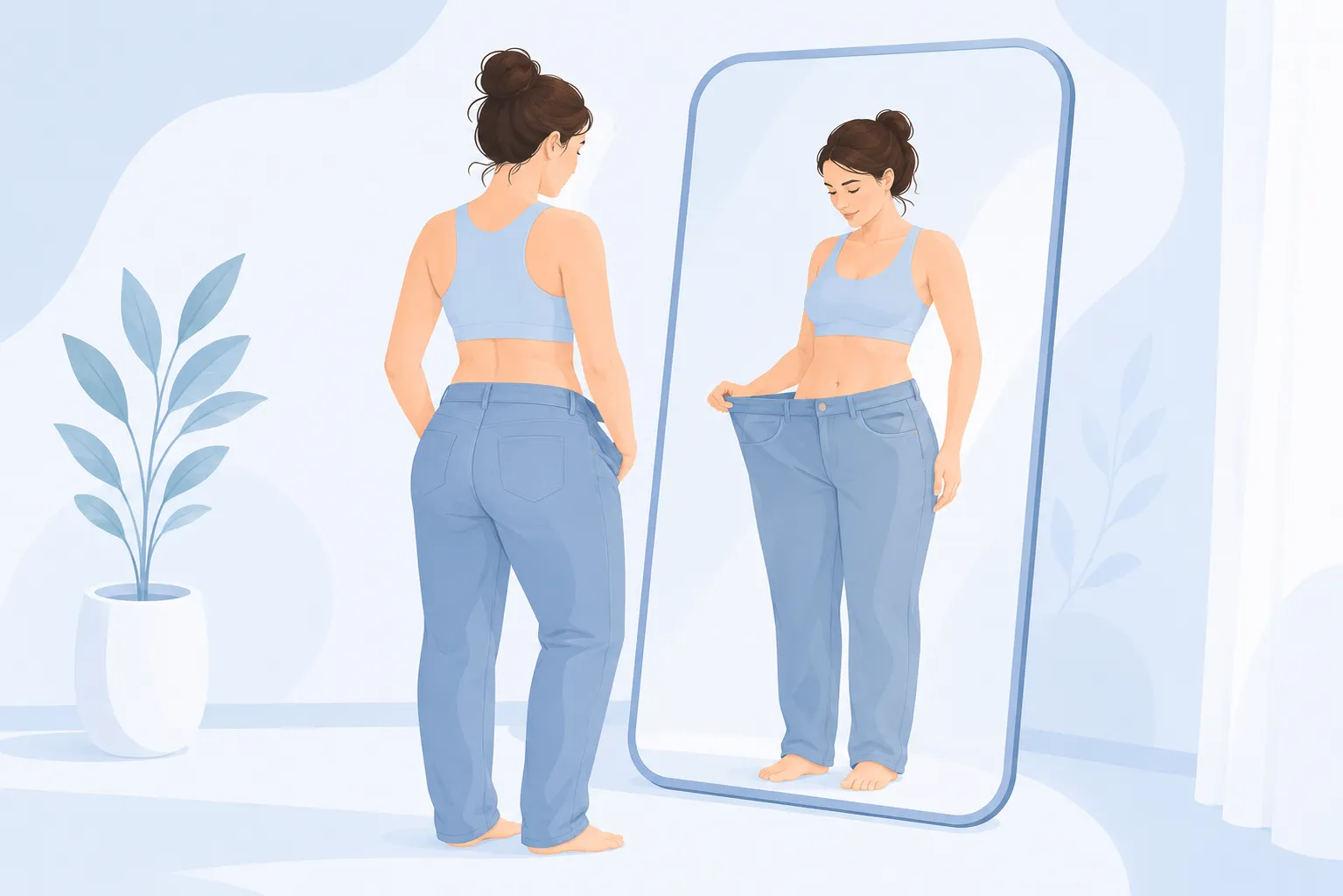
One of the most frustrating experiences for people with lipedema is the feeling that they are doing “everything right” but not seeing the results they expected. Some people say they have lost dozens of pounds, but their legs have barely changed. Others report that their face, chest or waist have shrunk, while the disproportion in their body remains. This feeling can lead to guilt, frustration and lack of understanding, but in many cases the cause is not a lack of willpower but the way lipedema affects the fatty tissue.
Lipedema is not just about being overweight
As explained in the article What is Lipedema, lipedema is not simply considered normal weight gain. It is a medical condition that affects the fat tissue itself, and genetic, hormonal and inflammatory factors appear to be involved.
While in normal obesity, fat cells grow mainly due to excess energy, lipedema appears to involve additional changes in the tissue. Researchers are still trying to understand all the mechanisms involved, but it is now known that lipedema tissue behaves differently from normal fat.
This difference helps explain why people with lipedema may experience a different pattern of weight gain and loss than people without lipedema.
The body doesn't always burn all fat stores equally
When the body is in a calorie deficit, it starts using its energy stores. In most people, fat cells in different areas of the body gradually shrink as weight is lost.
In lipedema, the picture may be more complex. Studies suggest that lipedema tissue may respond differently to weight loss procedures. As a result, some people manage to lose significant weight and still feel that the change in their legs, thighs, or arms is much smaller than the change in the rest of their body.
Some researchers even believe that lipedema tissue may be more resistant to being broken down for energy production, but the field is still under research and understanding of the exact mechanisms continues to evolve.
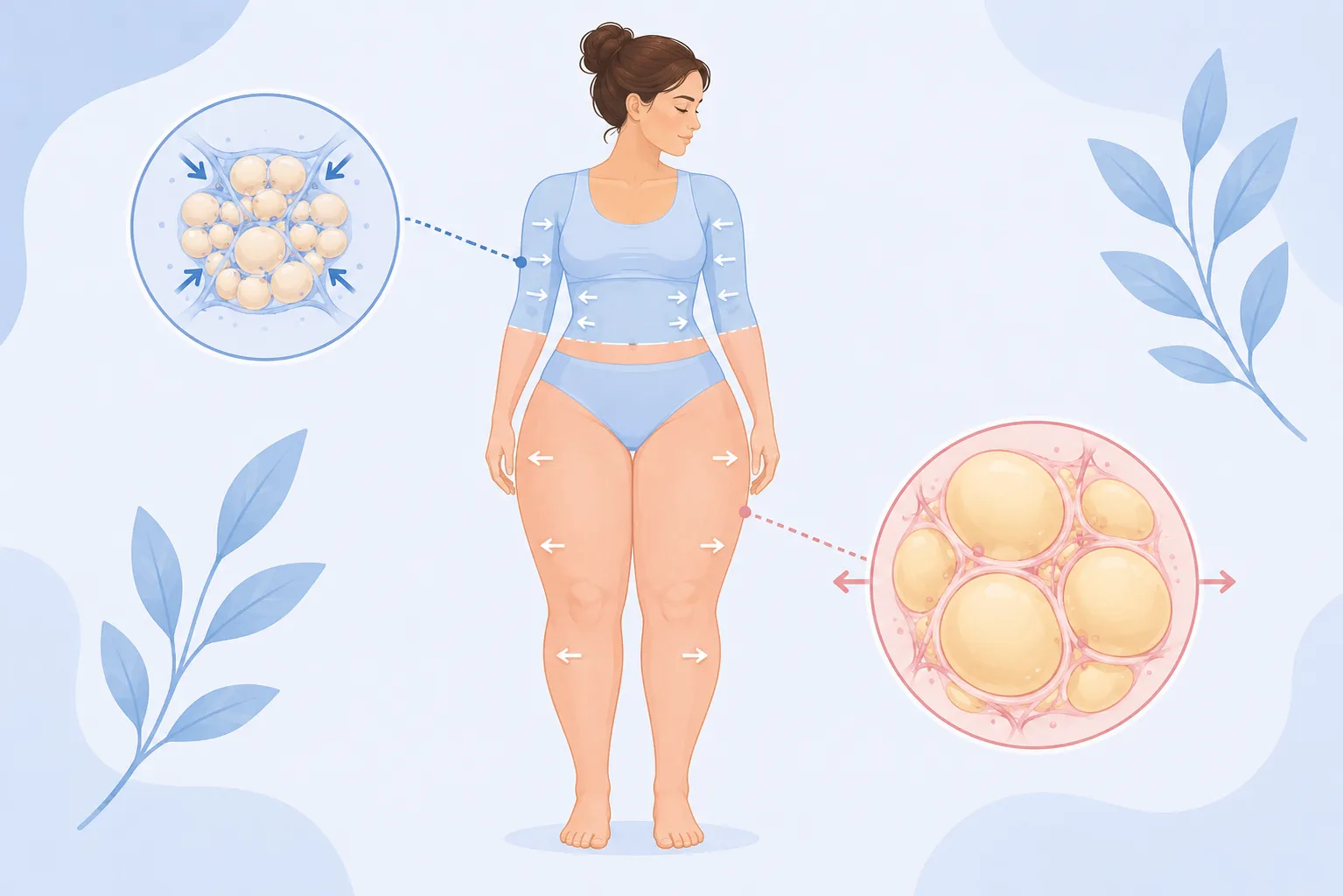
Why do the face and abdomen slim down before the legs?
This is one of the things that many people with lipedema describe over and over again.
Sometimes the face becomes narrower, the stomach shrinks, the waist becomes more pronounced, and the clothes on the upper body become wider. At the same time, the pants remain almost the same size, or the change in them is significantly smaller.
It is important to understand that this does not mean that the weight loss "didn't work". Quite the opposite. In many cases, the weight loss is real and significant, but the distribution of body fat remains relatively similar to what it was before the procedure.
Some people report that after significant weight loss, the disproportion even seems more pronounced. The reason for this is not that the lipedema has necessarily worsened, but that the upper part of the body has shrunk faster than the lower part.
For many, this is one of the most difficult moments in their journey. After months of investment, discipline, and perseverance, the appearance in the mirror does not always reflect the amount of effort invested along the way.
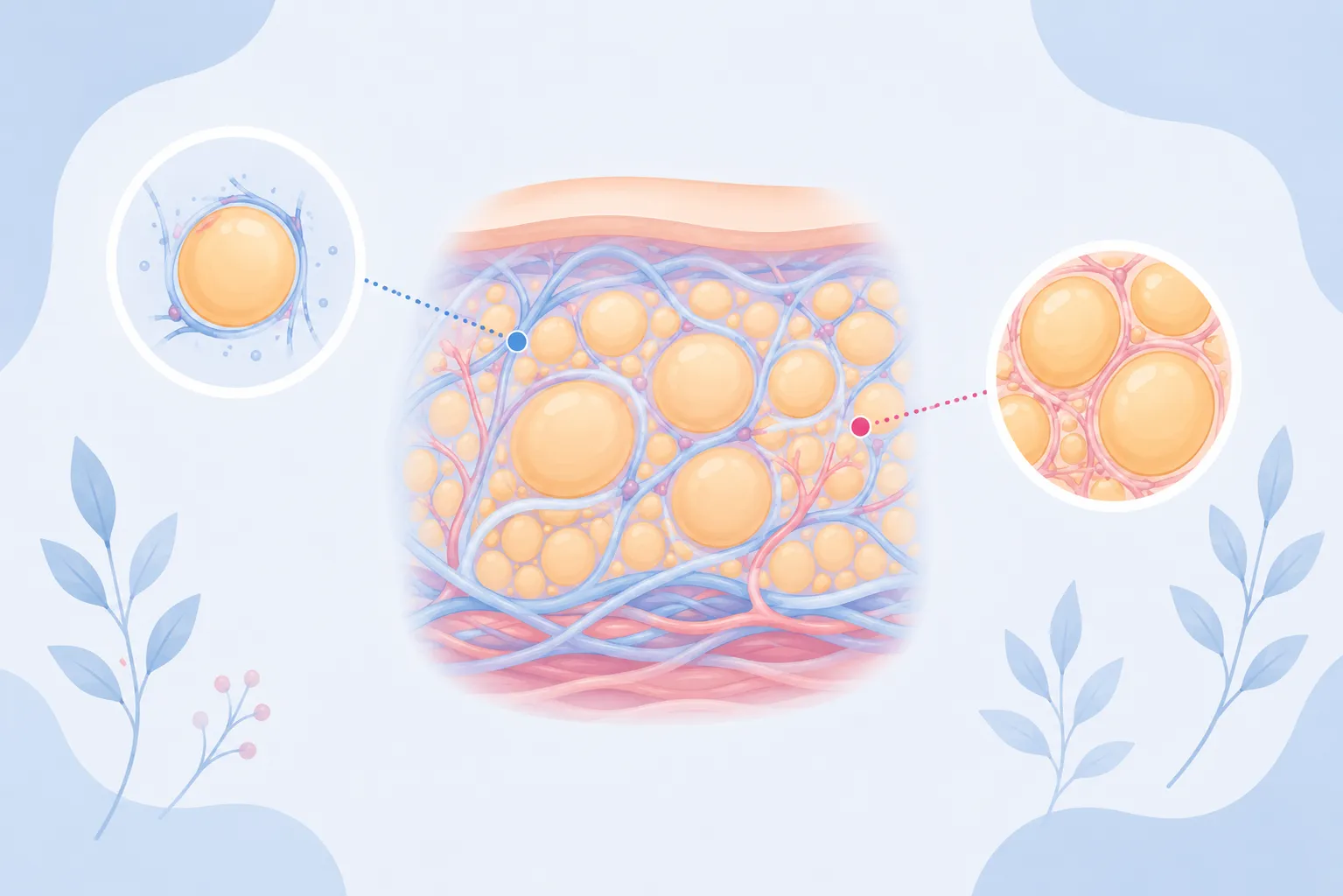
What is the connection between inflammation and the lymphatic system?
Lipedema is not just about fat. Studies suggest that low-grade chronic inflammation, changes in small blood vessels, and difficulty draining fluid from the tissue may also be involved.
This is one reason why many people with lipedema report not only a change in body appearance, but also feelings of heaviness, swelling, sensitivity to touch, and sometimes even pain.
In addition, the lymphatic system is responsible for draining fluid, waste, and various substances from the tissues. When the system is overwhelmed, this may contribute to the feeling of swelling that some people experience. You can read more about this in the article What is the lymphatic system and what is its function?.
It is important to remember that not everyone with lipedema will experience the same symptoms to the same extent, but these processes help to understand why counting calories alone does not always provide all the answers.
So does dieting not help at all?
Yes, indeed.
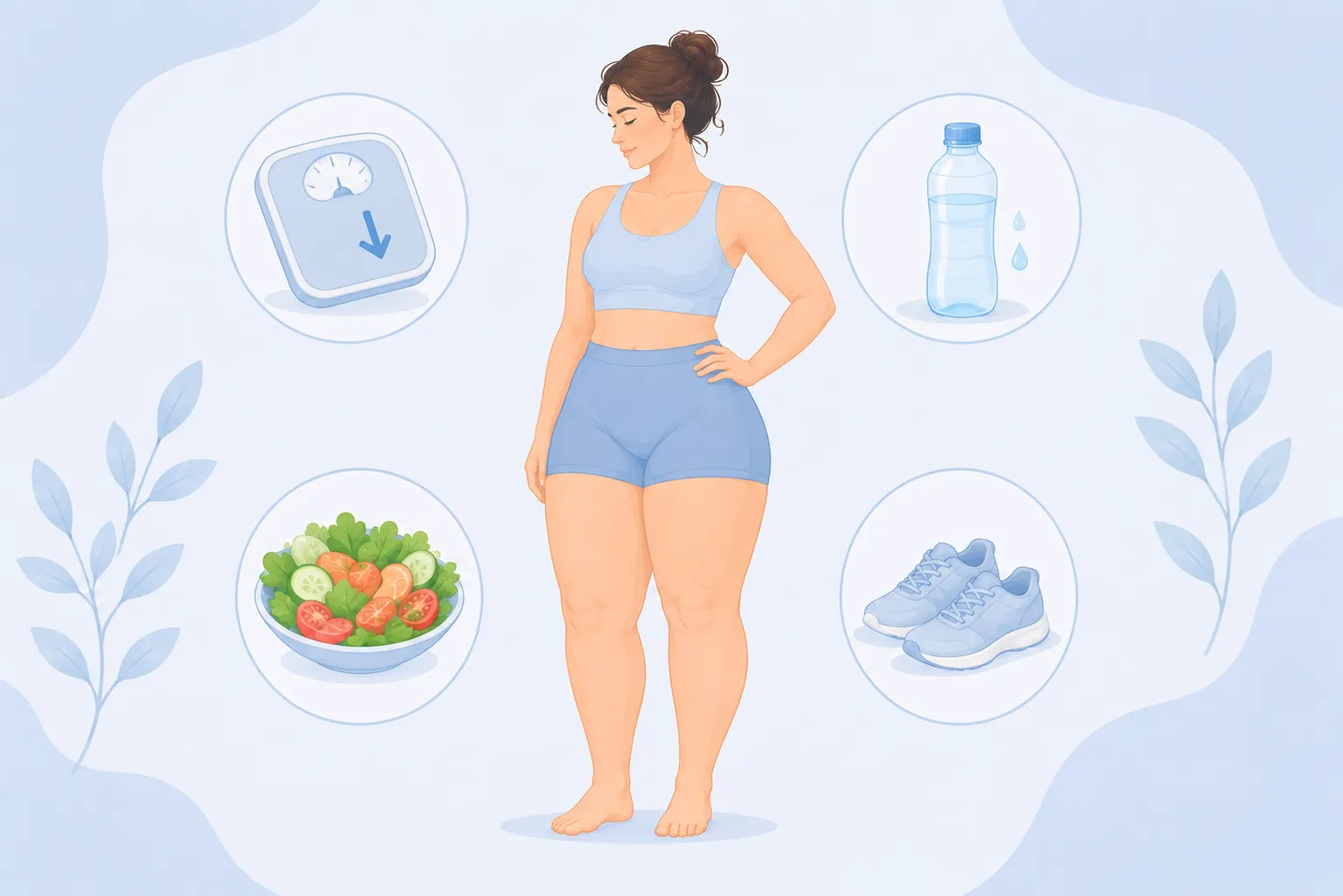
One common misconception is that if diets don’t make lipedema go away, they’re worthless. In fact, diet can still have a significant impact on how you feel and how you manage your symptoms.
Many people report that a healthy diet helps them reduce swelling, improve their energy levels, and feel lighter throughout the day. Additionally, maintaining a healthy body weight can reduce strain on your joints and lymphatic system.
This is one of the reasons why many people with lipedema choose to focus on an anti-inflammatory diet, incorporating more anti-inflammatory foods, reduce inflammatory foods and be careful about eating Protein.
Some also choose to incorporate supplements , although it is important to remember that supplements are not a treatment for lipedema and do not replace a balanced diet.
In other words, diet may not make lipedema go away, but it can certainly be an important tool in dealing with it on a daily basis.
Why is it important to stop blaming yourself?
Many people with lipedema have spent years trying to understand why diets that seem effective for others don't bring the same results for them.
Many of them have heard phrases like "just eat less," "exercise more," or "if you had just been persistent, you would have succeeded." Such phrases can create a sense of failure, even when the person is putting in enormous efforts.
As research on lipedema progresses, it becomes clear that the picture is much more complex. The fact that the areas of lipedema did not respond as you hoped does not mean that you failed. Nor does it mean that your efforts were in vain.
Even when your body composition does not change as you expected, good nutrition, exercise, and healthy habits still contribute to health, daily functioning, and quality of life.
Sources
- Current evidence-based clinical nutritional approaches in lipedema — scoping review (Nutrition Reviews)maps dietary approaches and the strength of evidence for each.
- Lipedema and obesity: a narrative review and treatment protocol (JPRAS Open)why weight loss does not reduce the affected tissue.
- Metabolic alterations in women with lipedema compared with lifestyle-induced overweight (Biomedicines, 2025)metabolic differences that explain a different response to caloric deficit.
- Standard of care for lipedema in the United States (Phlebology, 2021)consensus position on weight management in lipedema.
- Cleveland Clinic – Lipedemathe tissue does not respond to diet and exercise like ordinary fat.
- Lipedema: Progress, Challenges, and the Road Ahead (Obesity Reviews, 2025)what remains unknown about lipedema tissue metabolism.
Reader feedback
Did you find this article interesting?
Share





Comments
0 comments |Read and add your own comment
No comments yet - be the first.