
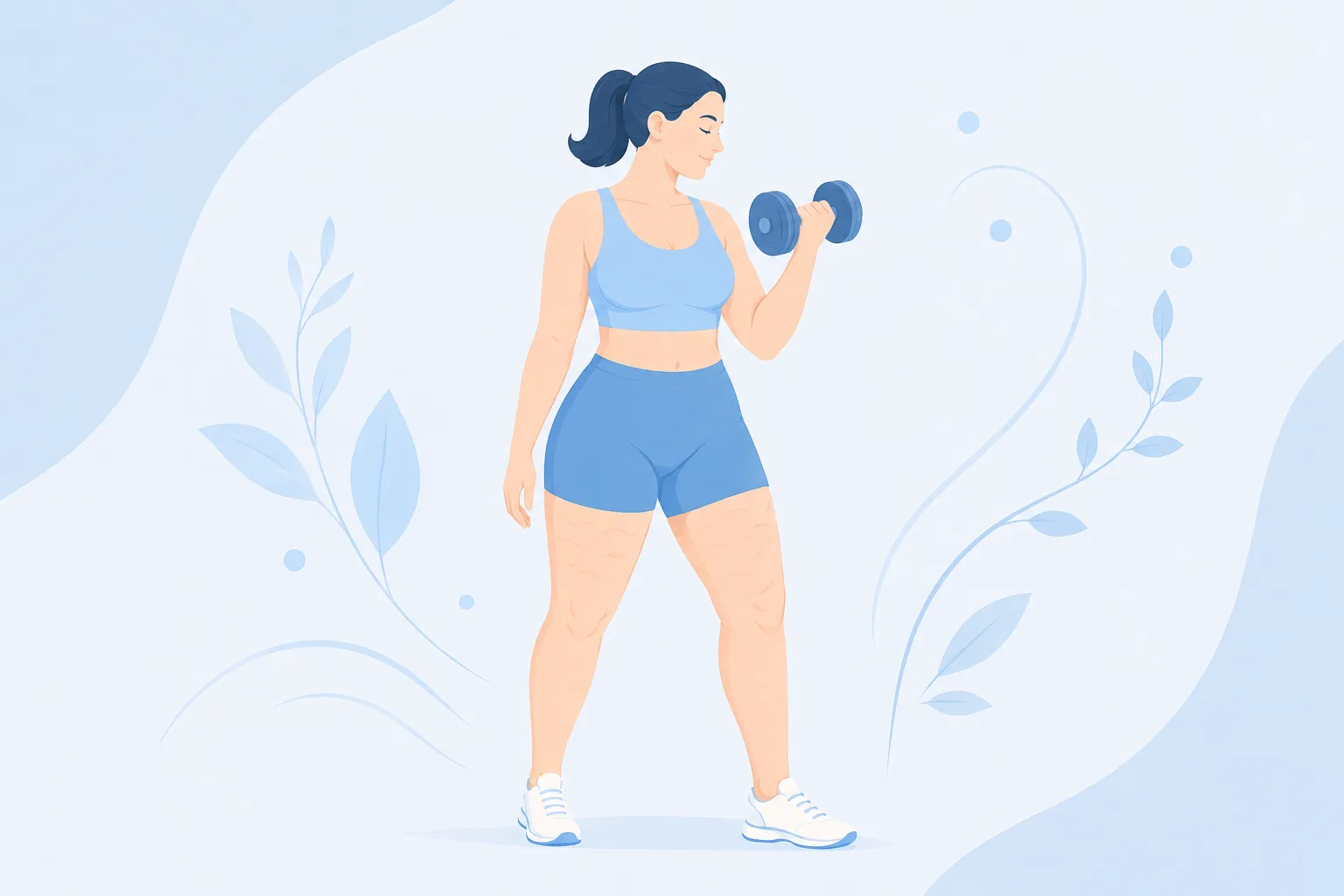
Physical activity is not considered a treatment for lipedema, but it is currently considered one of the most important tools in managing symptoms and maintaining function and quality of life. The goal is not to avoid movement, but to understand which types of activity are considered more suitable for lipedema, and which may be less recommended.
Why does the type of exercise matter for lipedema?
Lipedema is a chronic condition characterized by the abnormal accumulation of fatty tissue, usually in the legs and sometimes in the hands, along with sensitivity, pain, a tendency to swelling and sometimes some involvement of the lymphatic system. If you have not yet read about the basis of the disease, it is recommended to start with What is Lipedema.
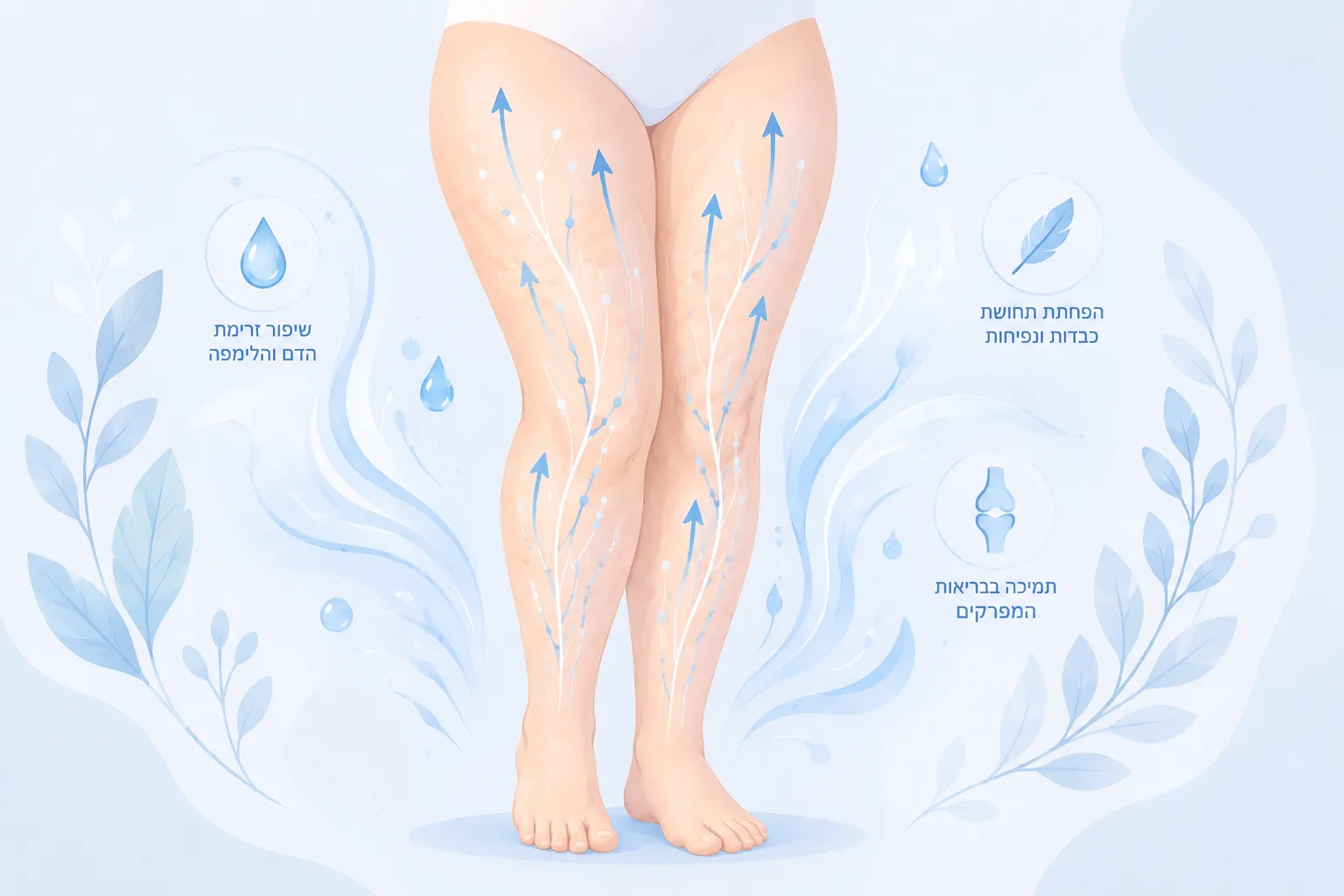
Due to the characteristics of the disease, certain exercises may create increased stress on sensitive areas, especially when it comes to activities with repeated shocks, very high intensity or heavy load on the joints. On the other hand, moderate and consistent movement can contribute to activating muscles, improving the flow of fluids in the body and supporting the function of the lymphatic system.
It is important to understand that the goal of lipedema training is not necessarily just weight loss. For many people with lipedema, exercise also serves to reduce the feeling of heaviness, improve endurance, support joints, and maintain daily function.
Exercises that may be less suitable for lipedema
This is not a list of “do nots,” but types of exercise that many people with lipedema may find more challenging — especially when performed at high intensity or without adequate recovery.
Running, jumping, and high-impact training
Running, jumping rope, aggressive HIIT workouts, sprints, multiple jumps, and plyometrics can create repetitive stress on sensitive joints and tissues. Many people with lipedema report that this type of activity may increase the feeling of heaviness, pain, or swelling, especially in the legs.
This does not mean that running is “forbidden” for lipedema, but in many cases it is recommended to pay attention to how the body responds and prefer alternatives with less shock if necessary.
Very high-intensity training
Extremely intense training, especially those that combine high cardio load over time and little recovery, may be more challenging for some people with lipedema. It is believed that significant physical load and physiological stress may affect inflammation, swelling and a feeling of discomfort in some people. You can also read about this in detail in Lipedema and Stress.
Very heavy strength training
Strength training is not considered problematic for lipedema — in fact, sometimes the opposite — but working with very heavy loads, especially without gradation or proper technique, may create significant strain on the joints and tissues.
Training in extreme heat
Some people with lipedema report feeling heavy or swollen after training in a heated studio or exercising in extreme heat.
Are trampolines or vibration plates suitable for lipedema?
For some people with lipedema, gentle activity on a small trampoline (rebounder) or using a vibration plate are seen as tools that can encourage gentle movement and a sense of flow in the legs. However, there is currently no clear consensus on the subject, and the response may vary from person to person.
In general, it is recommended to start gently, at a low intensity, and observe how the body responds over time.
Training that is considered effective for lipedema
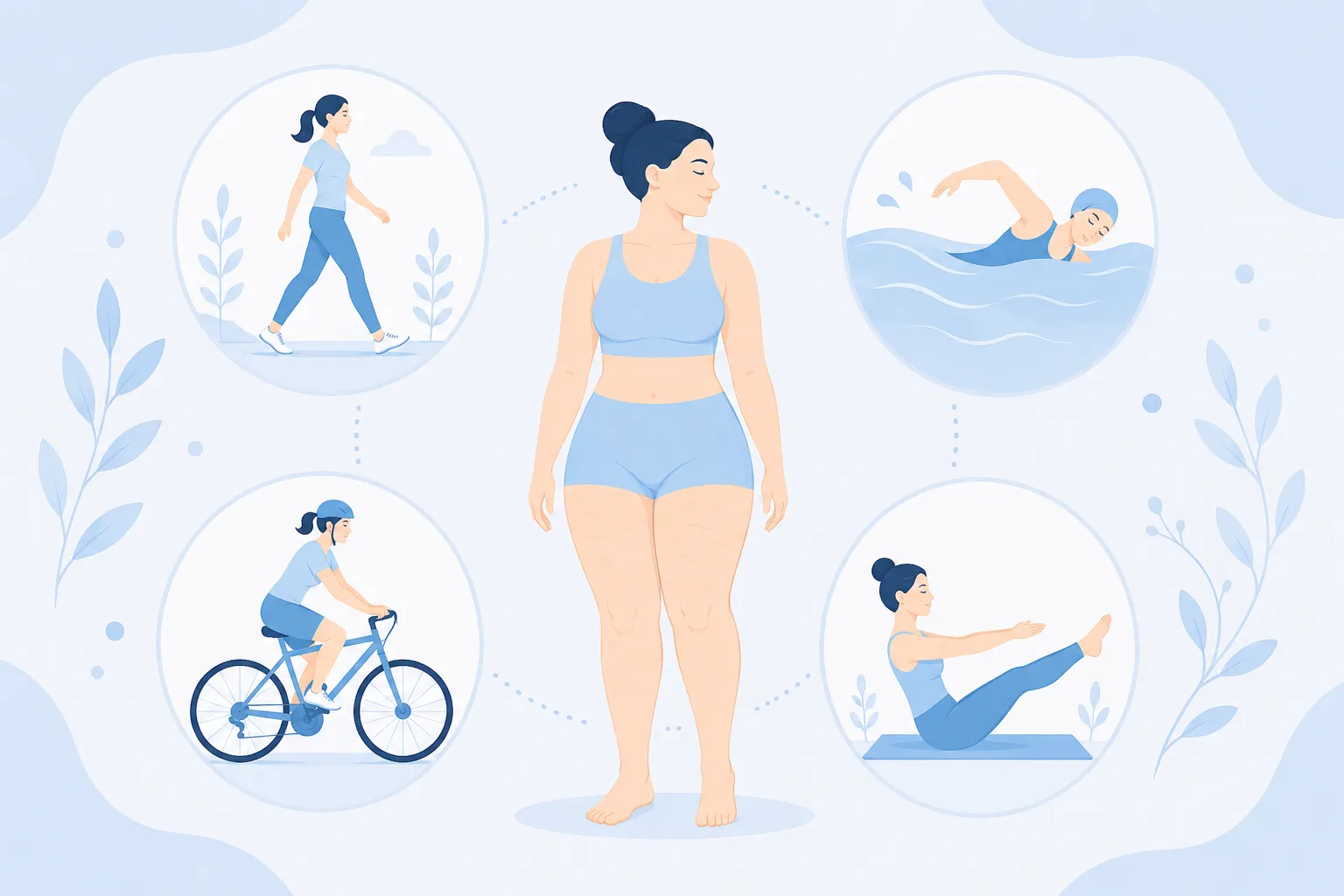
There are many types of activity that are considered more suitable for lipedema, especially those that combine continuous movement with relatively low load on the joints and tissues. They are sometimes also called Low Impact exercises — that is, physical activity with less shock to the body.
Walking
Walking is considered one of the simplest and most accessible types of activity for lipedema. It helps activate the leg muscles, supports blood and lymph flow, and does not create significant shocks.
Moderate and consistent walking is considered by many to be a good basis for a physical routine, especially in the early stages of starting an activity.
Swimming and water exercises
Water exercises are sometimes considered one of the most suitable options for lipedema. The pressure of the water exerts a kind of natural pressure on the body, similar to the gentle effect of compression stockings, while at the same time reducing the load on the joints.
Swimming, water walking, water aerobics, or resistance exercises in the pool can be good options for combining movement with a relatively low load.
Cycling
A regular bike or exercise bike allows for continuous leg movement with less shock compared to running, and is therefore considered by many to be a more comfortable option.
Elliptical
An elliptical allows for aerobic activity without the impact of running and jumping, and may therefore be suitable for those looking for a slightly more intense activity that is still relatively gentle on the joints.
Pilates and moderate yoga
Pilates and yoga can help strengthen core muscles, posture, flexibility, and mobility. In addition, they combine controlled movement and breathing — a combination that may contribute to reducing physical stress.
Moderate strength training
Many professionals consider moderate strength training to be an important part of a lipedema exercise routine. Gradual work with appropriate resistance can contribute to muscle strengthening, better stability, and joint support.
Is strength training good or bad for lipedema?
This is one of the issues that creates the most confusion.
Contrary to popular belief, strength training is not “bad” for lipedema. In fact, strengthening muscles can help support joints, improve posture and daily function, and help activate the “muscle pump” — a natural mechanism that helps move fluids in the body and supports the functioning of the lymphatic system.
However, in most cases, it is recommended to start gradually, prefer proper technique over heavy weight, and choose a training program tailored to your individual fitness level.
For many people with lipedema, consistent, moderate activity over time may be more effective and comfortable than short, extremely intense workouts.
Signs that a workout may be too intense
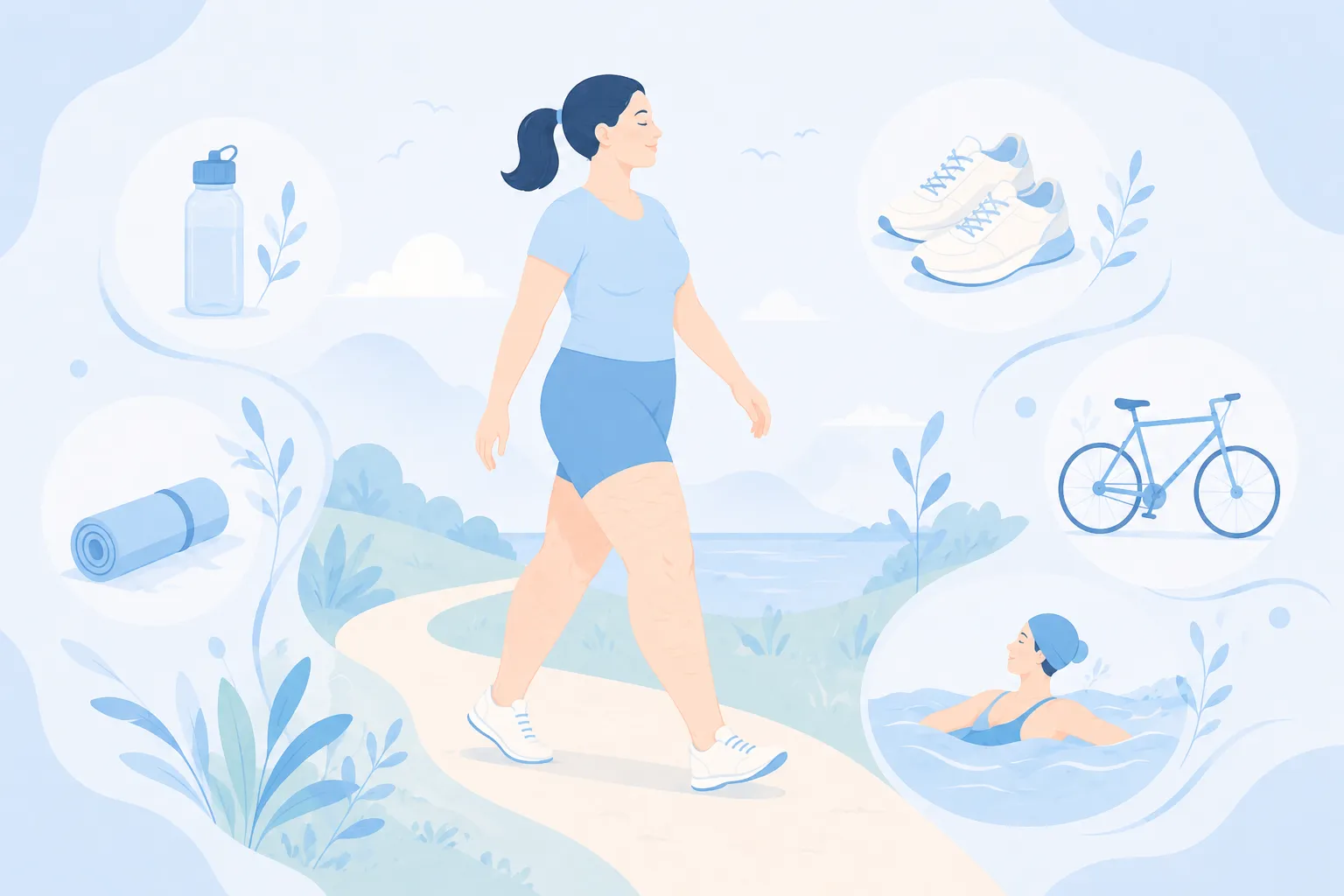
It’s not always easy to tell if a particular workout is suitable for lipedema, but there are several signs that may indicate that the load is too high:
- Significant pain that lasts beyond the normal discomfort of training
- Unusual heaviness in the legs after exercise
- Consistently increased swelling after exercise
- Difficulty recovering or repeated extreme fatigue
In such cases, it is sometimes worth considering adjusting the intensity of the workout, changing the type of activity, or incorporating a gentler activity.
Tips for Proper Training with Lipedema
There are several principles that can help make physical activity more comfortable and effective:
- Start gradually and increase the load over time
- Incorporate recovery days between more intense workouts
- Make sure to drink enough water throughout the day
- Consider using compression stockings during land activities if necessary
- Incorporate supportive activities such as lymphatic drainage or leg elevations as part of your routine
Exercise does not replace medical treatment for lipedema, but choosing the right type of exercise may help manage symptoms, reduce strain on the body, and contribute to a better sense of function over time.
Sources
- Exercise training in women with lipedema — a systematic review (Vasa, 2025)systematic review of exercise training in lipedema.
- Objective measures of physical activity and physical capacities in lipedema (BMC Women's Health, 2026)objective measures of activity and physical capacity.
- Compression therapy combined with exercise versus exercise only in lipedema (Life, 2024)compression plus exercise compared with exercise alone.
- Physiotherapy and rehabilitation applications in lipedema management (2020)review of physiotherapy and rehabilitation approaches.
- Physical therapy in women with early stage lipedema (Lymphatic Research and Biology, 2022)multimodal therapy in early stages.
- Standard of care for lipedema in the United States (Phlebology, 2021)recommendations for adapted activity and controlled load.
Reader feedback
Did you find this article interesting?
Share


Comments
0 comments |Read and add your own comment
No comments yet - be the first.