
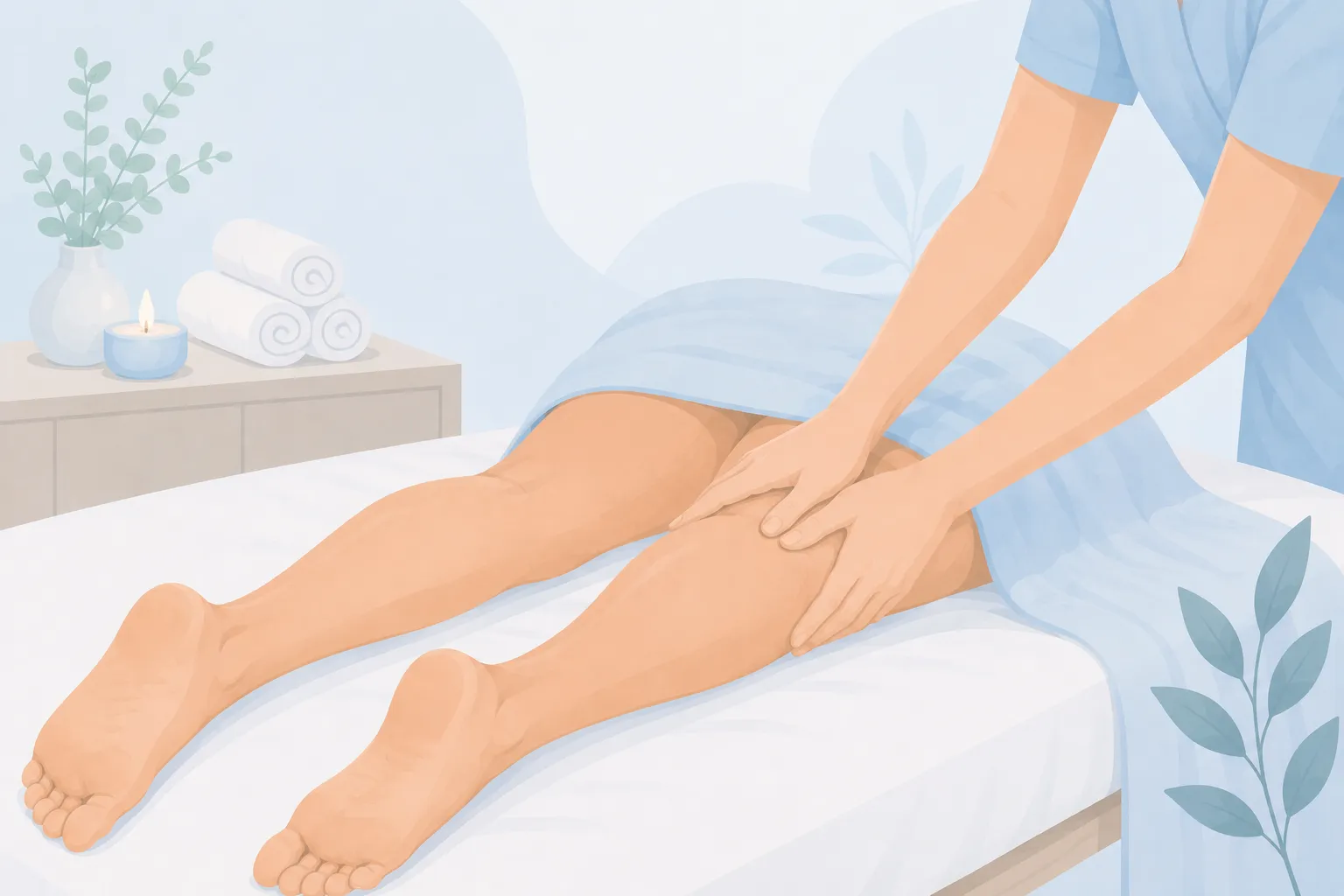
Lymphatic drainage can be performed manually by a therapist, using certain pressure-based devices, and sometimes through gentle self-massage techniques at home.
Lymphatic drainage and lipedema
Lymphatic drainage is one of the conservative treatments many women with lipedema choose to incorporate as part of managing their symptoms.
It is important to understand: lipedema is a disease of adipose tissue and is not the same as lymphedema. However, in some women with lipedema there is also involvement of fluid retention, a feeling of heaviness, and sometimes a certain load on the lymphatic system — especially in more advanced stages.
For this reason, some women report that lymphatic drainage helps reduce feelings of heaviness, swelling, or discomfort, and sometimes provides a temporary sense of lightness in the legs or arms.
At the same time, the response to lymphatic drainage varies from woman to woman. Some feel a significant difference, and others feel a smaller change or no noticeable change at all.
It is also important to know that lymphatic drainage does not "melt" lipedema fat and is not considered a treatment that eliminates the disease, but for some women it can be a supportive tool as part of a broader approach to symptom management.
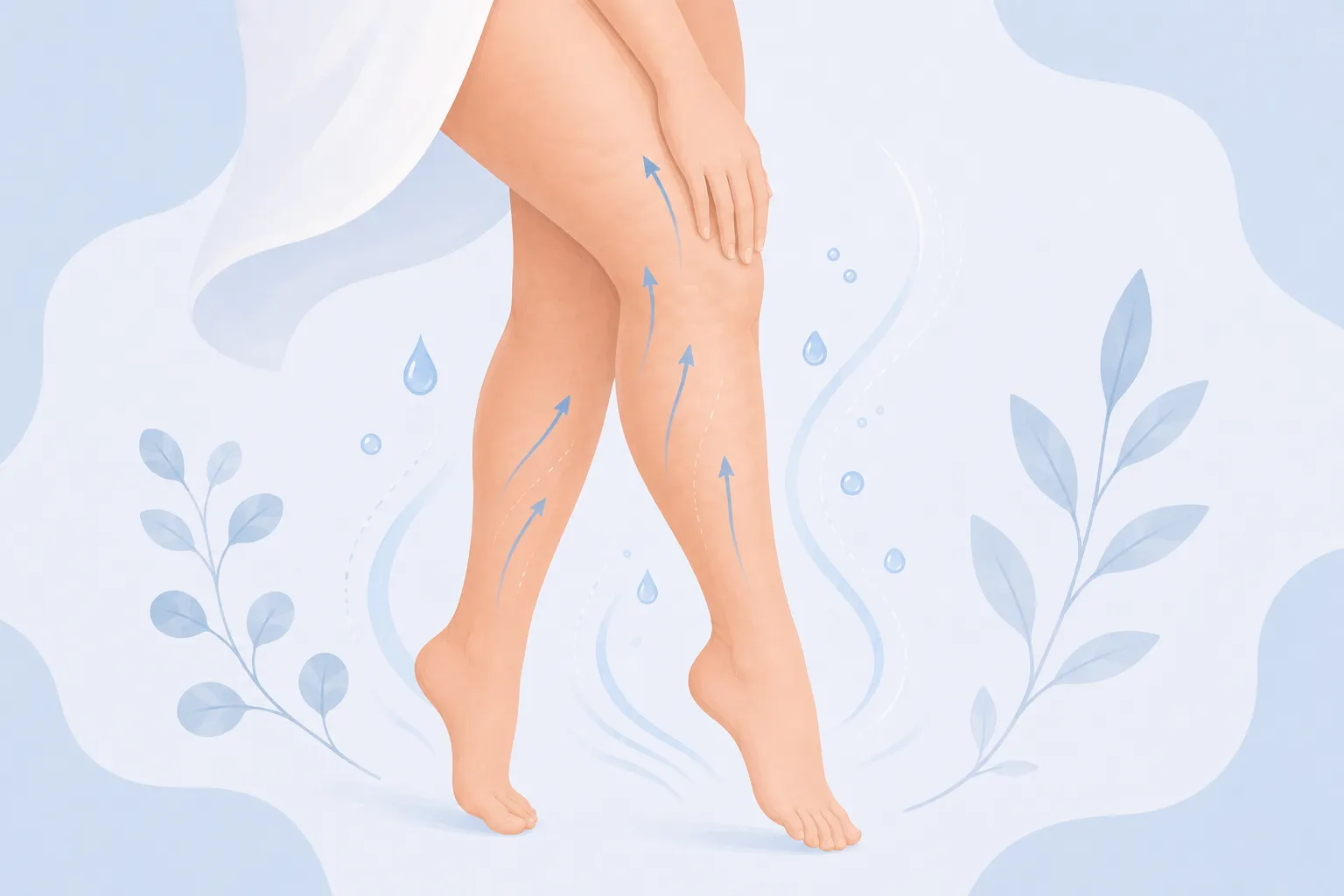
Why are women with lipedema drawn to lymphatic drainage?
Many women with lipedema describe feelings of heaviness, swelling, sensitivity, and sometimes a sense that the legs or arms are "full," tight, or tired — especially after prolonged standing, long sitting, hot weather, or hormonal changes.
Because of these sensations, many look for ways that may ease discomfort and improve daily feeling. Lymphatic drainage is one of the tools some women choose to try as part of symptom management.
Types of lymphatic drainage
Women with lipedema incorporate a variety of methods and tools as part of their self-care routine. It is important to remember: not every method suits everyone, and the response can vary from person to person — especially when there is sensitivity, pain, or a tendency toward bruising.
Manual lymphatic drainage (MLD)
Manual lymphatic drainage is performed by a therapist using gentle, slow, precise touch aimed at encouraging lymph flow. This is a very different technique from regular massage, and it is usually not meant to be aggressive or painful.
Some women also choose to learn self lymphatic drainage at home, using relatively gentle movements as part of their routine.
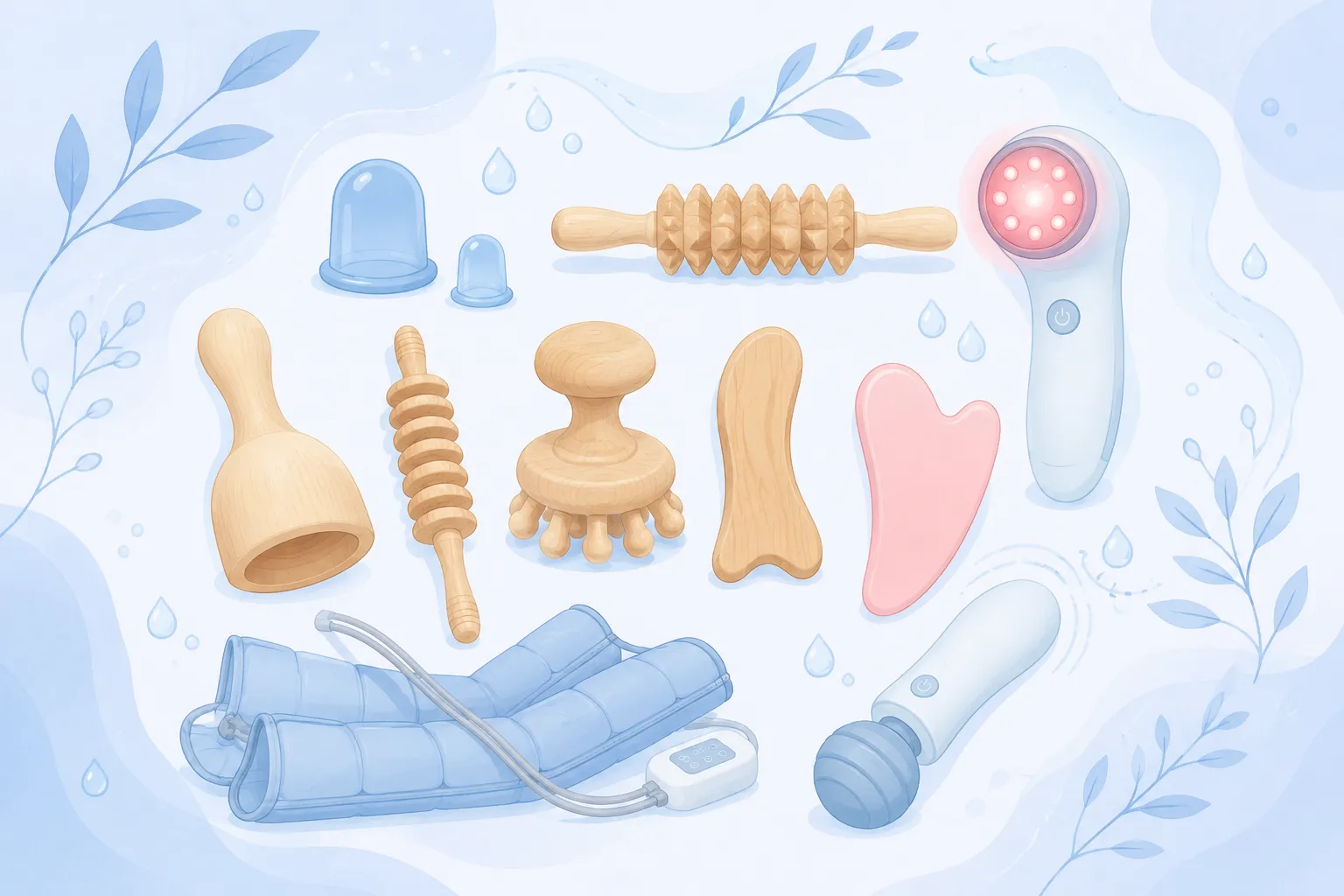
Wood therapy tools (Wood Therapy / Maderotherapy)
There are wooden tools in various shapes — rollers, grooved tools, wooden cups, and massage tools with bumps — that some women use for gentle tissue massage at home.
It is important to use such tools very gently and avoid too much pressure, especially in sensitive or painful areas.
Silicone cups (Lymph Cups)
Soft silicone cups designed to encourage gentle tissue movement through gliding motions on the skin.
Body Gua Sha tools
Some women use large gua sha tools designed for the body, usually with relatively gentle movements and not aggressive pressure.
Rollers and manual massage tools
There are rollers, massage balls, and tools with wheels designed for gentle tissue massage. Some women prefer such tools because they are simple to use at home.
Vibration massage devices
Some women incorporate vibration or vibration-plate devices as part of their self-care routine.
For further reading: vibration plate.
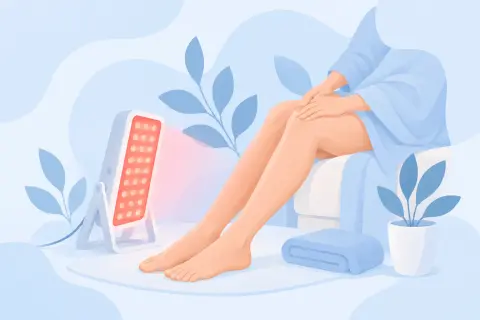
Massage devices with infrared light
Certain devices combine massage, vibration, and sometimes gentle heat or infrared light. Some women choose to incorporate them as part of their self-care routine for comfort and relaxation.
Pressotherapy / compression devices
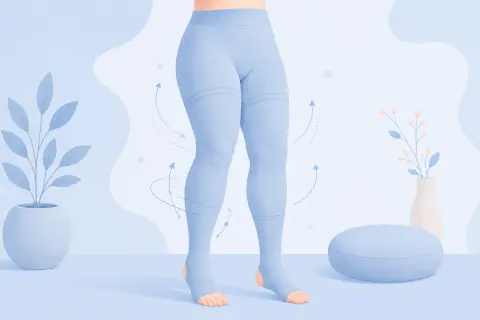
There are devices that use inflatable sleeves or boots that apply gradual pressure on the legs or arms. Some women with lipedema incorporate them as part of their support routine.
It is important to remember: with lipedema, gentleness is usually more important than intensity. Strong pressure or aggressive massage is not necessarily more effective, and sometimes may even be uncomfortable for sensitive tissue.
What does lymphatic drainage treatment feel like?
Women coming for treatment for the first time sometimes expect a firm massage, but lymphatic drainage usually feels very different from regular massage.
In most cases it involves gentle, slow, relatively rhythmic touch. For some women the treatment feels calming and pleasant, while others may feel tired afterward or a temporary sense of lightness in the treated area.
The experience varies from person to person and also depends on personal sensitivity, type of treatment, and body condition.
What is important to pay attention to?
When considering lymphatic drainage, it is important to choose a therapist who knows lipedema and understands the unique sensitivity of the tissues.
Lymphatic drainage that is too aggressive or especially strong pressure is not necessarily more effective, and sometimes may even be uncomfortable for women with high touch sensitivity.
In addition, it is recommended to notice how the body responds after treatment. Some women feel lightness and relief, while others may feel tired or not experience a significant change.
How often is lymphatic drainage done?
There is no one frequency that suits everyone, and frequency varies according to individual needs, symptoms, body feeling, and each woman's preferences.
Some women choose to perform lymphatic drainage regularly as part of their routine, others use it mainly during periods of worsening symptoms, swelling, or heaviness, and some choose to do it only at certain times — for example during hot periods, after prolonged standing, long sitting, or flights.
For some women, even treatments at a lower frequency can feel helpful, while others prefer to incorporate it more regularly. Ultimately, it is important to listen to the body and explore what feels right and suitable personally.

Things that may complement lymphatic drainage
For some women, lymphatic drainage feels more effective when combined with additional habits that support the body:
- Anti-inflammatory nutrition
- The importance of eating protein
- Drinking water
- Compression garments
- Helpful and harmful workouts
- Lipedema and sleep
- The connection between stress and lipedema
- Elevating the legs
- Dry brushing
- What is the lymphatic system and what does it do?
When should you consult before treatment?
In certain situations it is recommended to consult a professional before starting lymphatic drainage, for example in case of active infection, new unexplained swelling, or certain medical conditions.
Sources
- Complete decongestive therapy versus intermittent pneumatic compression in lipedema — RCT (Lymphatic Research and Biology, 2021)randomized controlled comparison of drainage methods.
- Complete decongestive physiotherapy with and without pneumatic compression for lipedema (Lymphology, 2008)study of combined decongestive treatment.
- Complex decongestive physiotherapy decreases capillary fragility in lipedema (Lymphology, 2008)effect on capillary fragility and bruising tendency.
- Low-frequency vibrotherapy combined with manual lymphatic drainage in lipedema — RCT (2020)improved drainage effectiveness when combined with vibrotherapy.
- Physical therapy in women with early stage lipedema (Lymphatic Research and Biology, 2022)multimodal manual therapy in early stages.
- Standard of care for lipedema in the United States (Phlebology, 2021)the place of manual drainage in conservative care.
Reader feedback
Did you find this article interesting?
Share



Comments
0 comments |Read and add your own comment
No comments yet - be the first.