
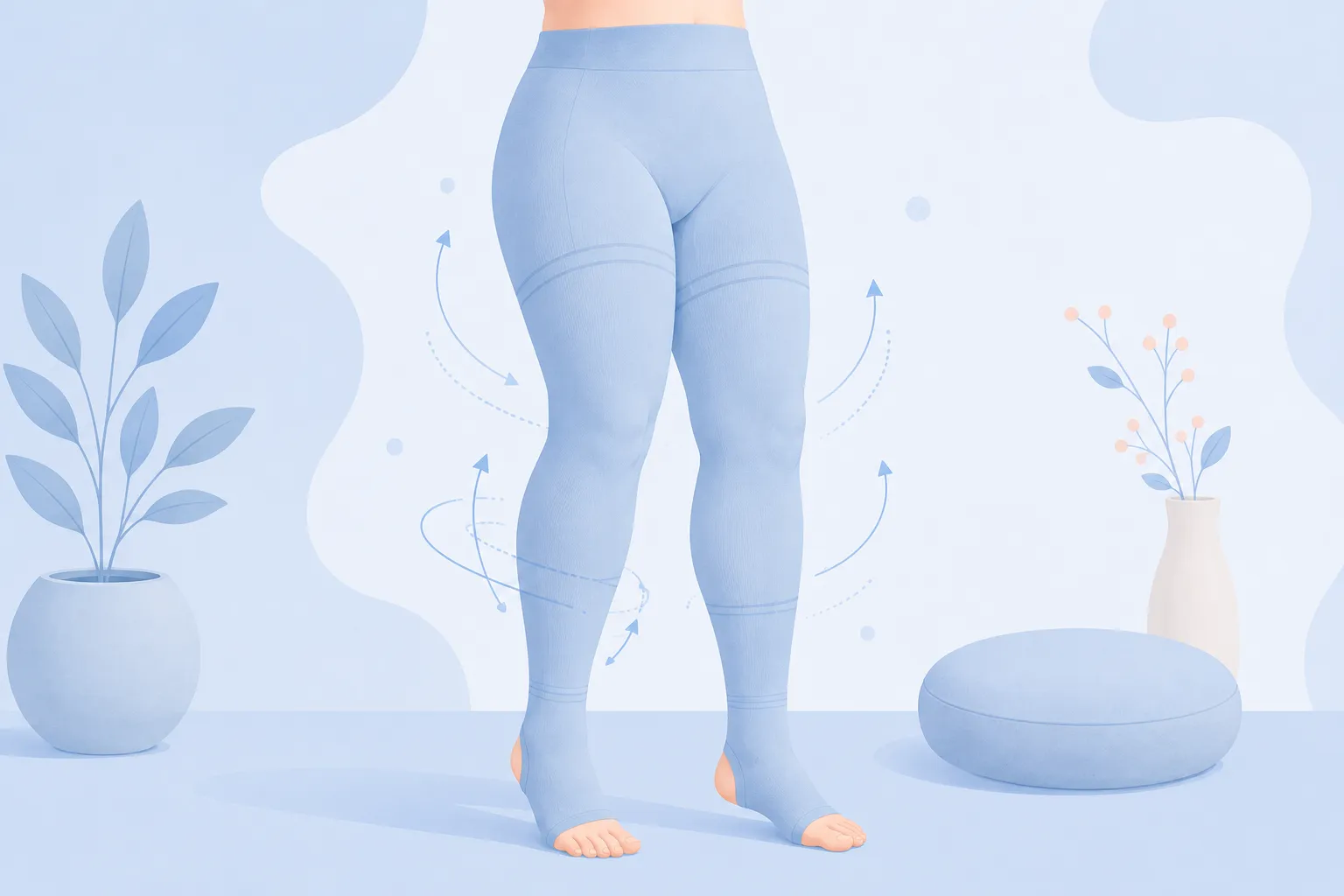
Many women with lipedema report that compression stockings help reduce pain, tenderness, or a feeling of heaviness in their legs, especially when standing for long periods, on hot days, or during periods of worsening symptoms. However, it is important to know that not every compression stocking is right for everyone – the type of knit, the level of pressure, the size, and the personal fit can make a significant difference in the experience and results.
What are compression stockings anyway?
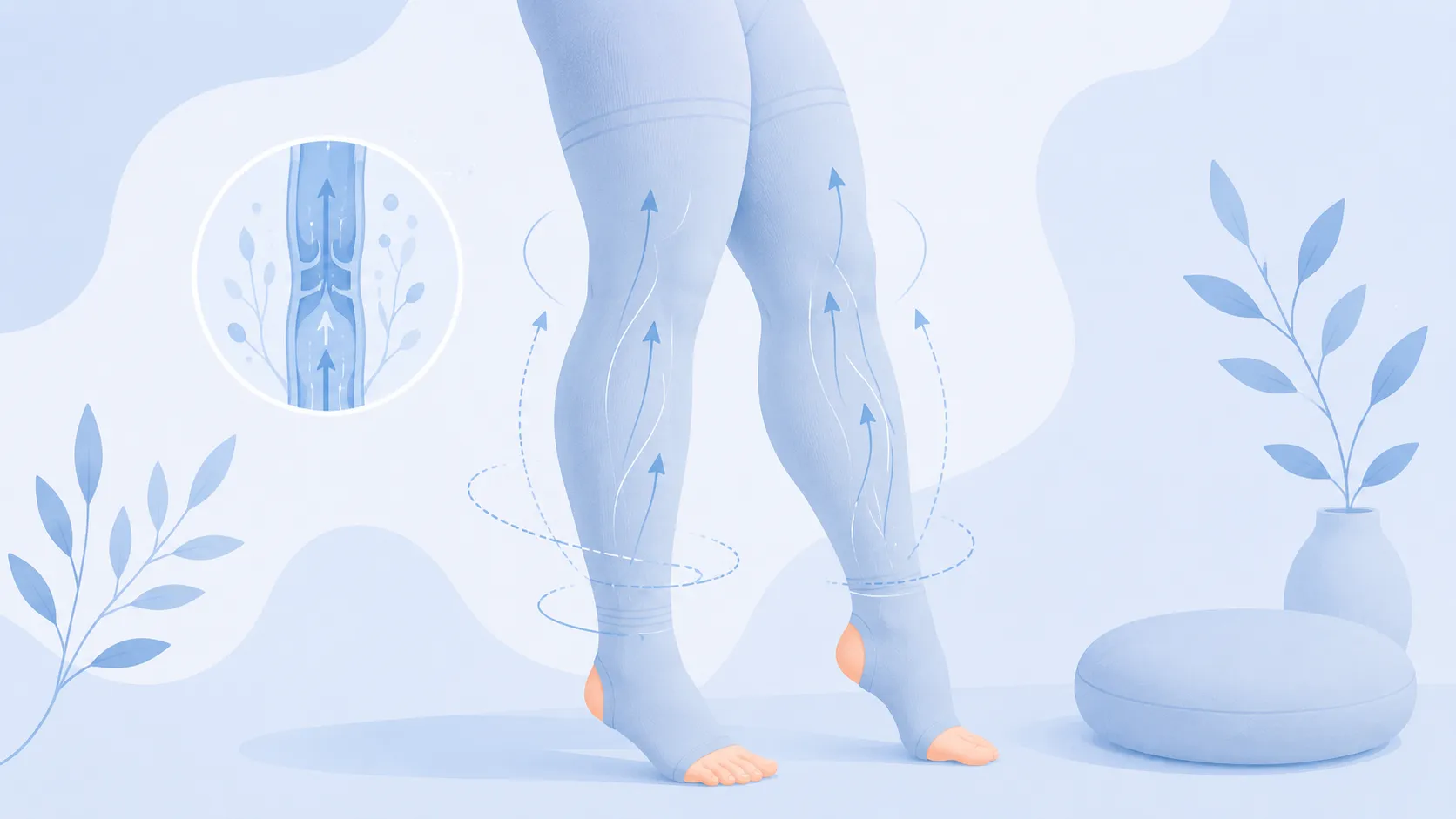
Compression leggings are tights designed to apply graduated pressure to the legs and affected areas. Typically, the pressure level is stronger in the lower part of the leg and decreases upward, in order to provide more support to the tissues and help deal with a feeling of heaviness and swelling.
In lipedema, the fatty tissue tends to be more sensitive, sometimes painful, and sometimes accompanied by a tendency to swell. For this reason, compression stockings are considered by many people as a tool that may help reduce a feeling of heaviness, tenderness, and a feeling of “heaviness” during the day.
It is important to understand: Compression stockings do not dissolve lipedema fat and do not cure lipedema. However, they may be a significant part of managing symptoms and improving quality of life for some people.
They are often combined with other habits that support the lymphatic system, such as daily movement, tailored exercise, or complementary therapies.
How can compression stockings help with lipedema?
Many women with lipedema report a variety of reasons why they choose to wear compression stockings. For some, the difference is very noticeable, and for others, less so – so it’s important to have realistic expectations.
Possible benefits may include:
- Reduced feeling of heaviness and fatigue in the legs
- Better feeling of support and stability in the tissues
- Helping to deal with swelling throughout the day
- Improved comfort when walking, working or exercising
- Reduced friction between the thighs for some people
- Supporting fluid flow as part of lymphatic health management
Some women describe the feeling as “having their legs held up”, while others feel their legs are less tired at the end of the day. However, the experience is very personal and depends on the right fit.
What types of compression stockings are there?
Not all compression stockings look or feel the same. There are several main types, and sometimes the choice between them depends on body structure, stage of lipedema and personal preference.
Flat Knit
Flat knit compression stockings are considered more common for lipedema, especially in more advanced cases or when the structure of the leg is less uniform. They are usually thicker and more stable, and provide more significant support to the tissues.
Circular Knit
Circular knit compression stockings are usually thinner, smoother and more flexible. Some women feel more comfortable with them for daily use, especially in earlier stages or when a more delicate level of support is required.
Micro-Massage Technology
Some compression stockings include a special texture or weave that aims to create a kind of gentle “micro-massage” during movement. Some women report that it feels more comfortable or helps with comfort, but the experience varies from person to person.
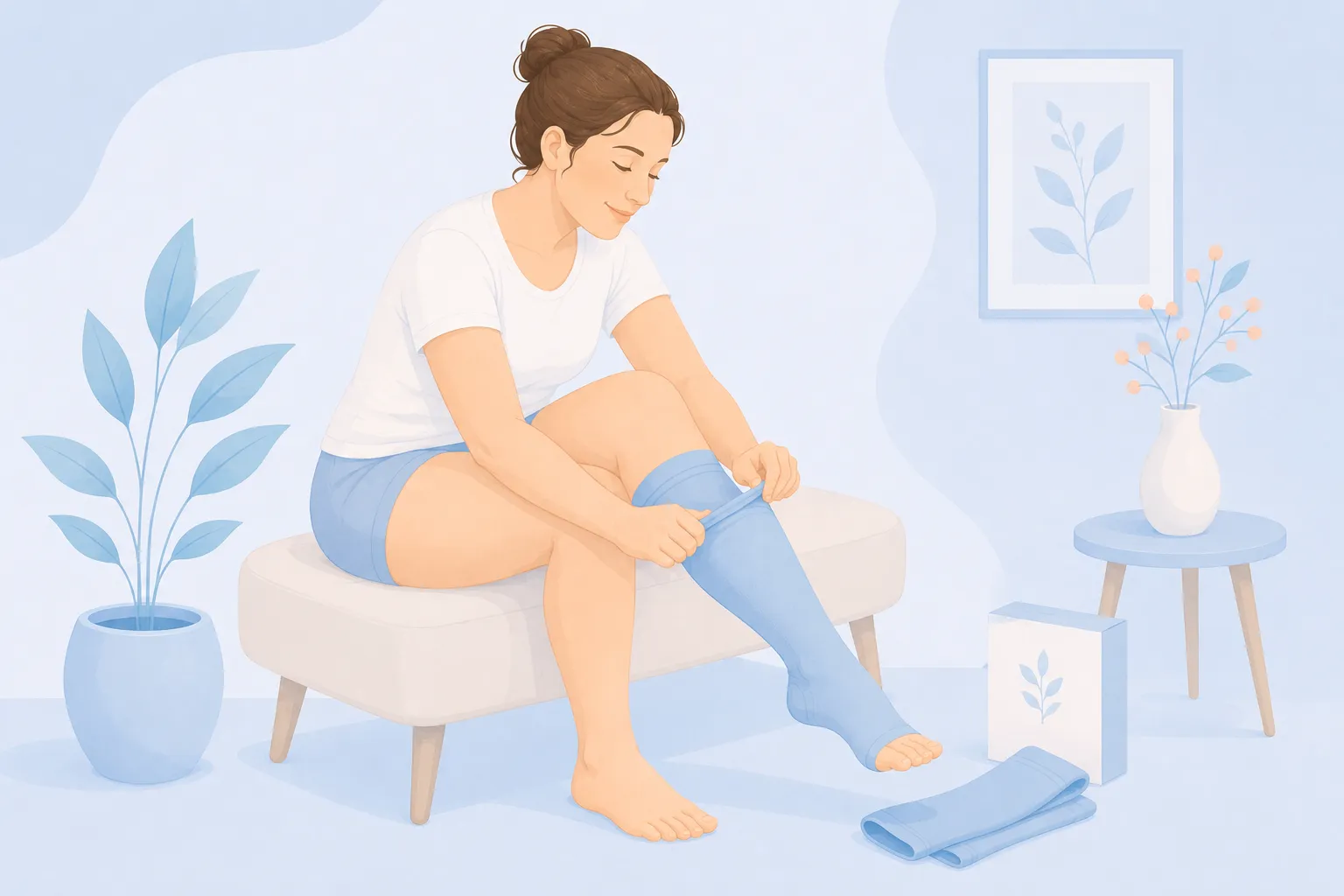
Compression stockings also come in different lengths and shapes – knee-high stockings, full-length stockings, shorts or tights. Sometimes it takes a little trial and error to find the type that feels right.
What is mmHg and why is it important?
If you’ve searched for compression stockings, you’ve probably come across numbers like 20–30 mmHg or 30–40 mmHg.
mmHg is a measure of the level of pressure that compression stockings apply to tissues. In general, the higher the number, the stronger the level of pressure.
However, more pressure does not necessarily mean better.
The appropriate level of pressure depends on various factors such as the severity of symptoms, sensitivity, swelling, body type and personal comfort. For this reason, many people choose to have their compression stockings professionally fitted rather than randomly choosing.
And what about sports compression tights?
Not every “shapewear” garment or sports tights is considered medical compression stockings – and it is important to distinguish between them.
However, some people, especially in earlier stages of lipedema or in relatively mild cases, report that even high-quality compression tights provide a certain feeling of support. It is not considered a full replacement for medical compression stockings when there is a clear medical need, but for some people it may be an accessible and convenient way to start incorporating a little more support into their daily lives – alongside additional habits such as Training That Helps and Training That Hurts.
Why is it important to choose the right fit?
One of the most important things when choosing compression stockings is the personal fit.
Compression stockings that are the wrong size, have the wrong level of compression, or are made in a type of knit that is less suitable for your body type can be uncomfortable and even frustrating. Sometimes people try one type of compression stockings, don't get along with it, and conclude that "compression stockings are not for me," when in reality they simply haven't found the right fit yet.
If the compression stockings cause significant discomfort, pain or an extreme feeling of pressure, this does not necessarily mean that compression therapy is not right for you. Sometimes it is an inaccurate adjustment of the size, type of knitting or level of pressure, so it is worth considering a professional fitting before deciding to give up.
In addition, many people find that it takes time to adapt. The feeling of wearing compression stockings every day may be new, and in some cases a gradual adaptation process is required.

So are compression stockings worth a try?
There is no one solution that suits everyone for lipedema, and compression stockings are not magic – but for many people they become a significant part of the routine and may contribute to a sense of comfort, support and relief from certain symptoms.
Like many things with lipedema, it’s often a matter of finding the right combination for you – between movement, lymphatic support, a healthy diet, and small habits that add up over time.
Looking for compression stockings? Here you can find a variety of different options that may be suitable as part of your daily lipedema management.
Sources
- Compression therapy combined with exercise versus exercise only in lipedema (Life, 2024)controlled study on what compression adds beyond exercise.
- Complete decongestive therapy versus intermittent pneumatic compression in lipedema — RCT (Lymphatic Research and Biology, 2021)randomized comparison of compression approaches.
- Complete decongestive physiotherapy with and without pneumatic compression for lipedema (Lymphology, 2008)early study on adding pneumatic compression.
- S2k guideline lipedema (JDDG, 2024)the place of compression in clinical guidance.
- Standard of care for lipedema in the United States (Phlebology, 2021)recommendations on compression class and individual fitting.
- NHS – Lipoedemacompression garments need professional fitting.
Reader feedback
Did you find this article interesting?
Share





Comments
0 comments |Read and add your own comment
No comments yet - be the first.