
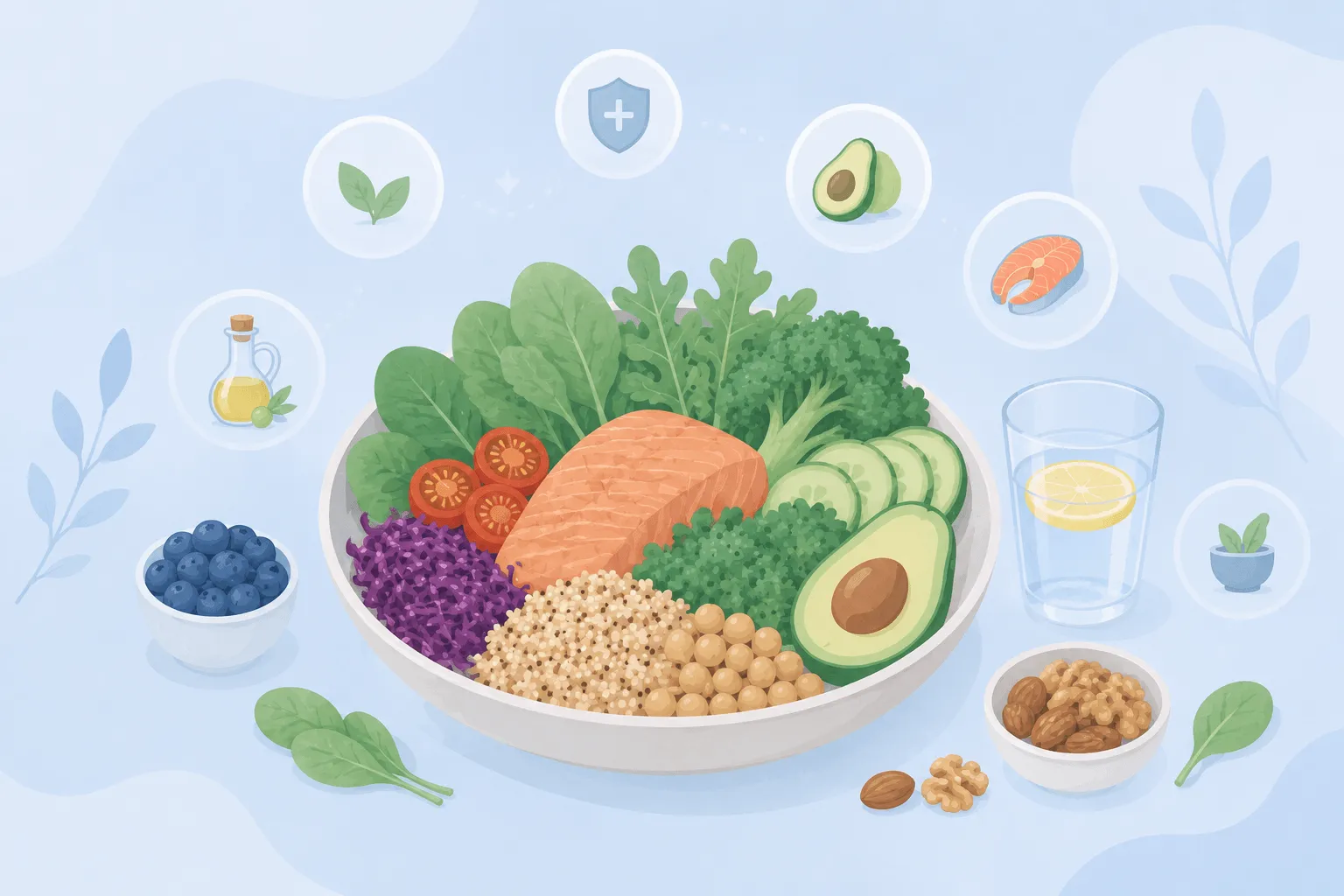
Anti-inflammatory nutrition has gained increasing interest in recent years among people with lipedema as part of disease management and improving quality of life. It is important to know: to date there is no diet proven to cure lipedema, and there is no one approach that suits everyone.
However, certain dietary changes may help some people reduce swelling, a feeling of heaviness, fatigue, and sometimes also pain.
The goal of anti-inflammatory nutrition is usually not to be "perfect," but to try to support the body and explore which dietary habits lead to feeling better over time.
Want to understand why weight loss does not always affect lipedema areas? Also read: Why regular diets do not affect lipedema?
Core principles of anti-inflammatory nutrition
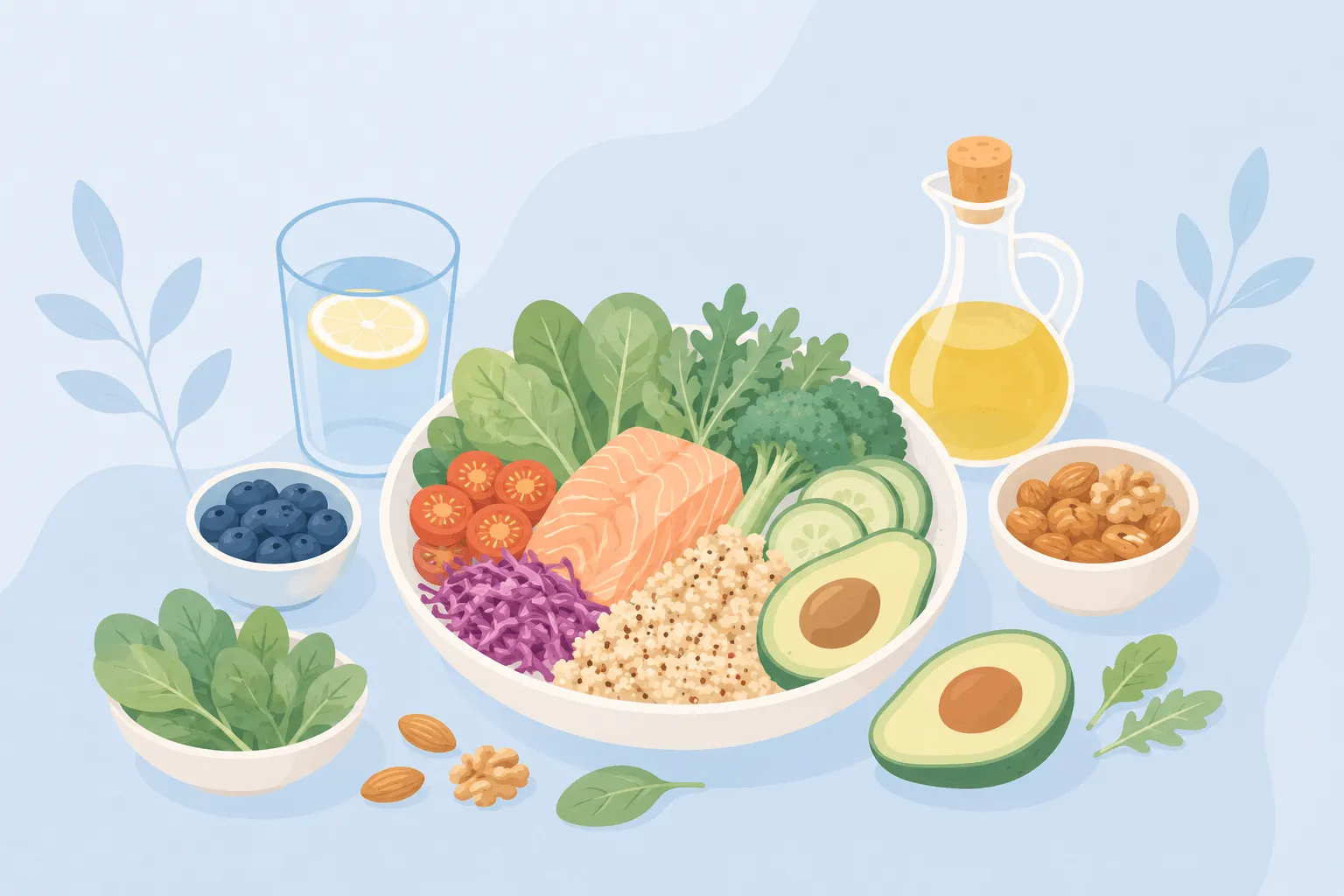
Although there is no one approach that suits everyone, anti-inflammatory nutrition is usually based on several core principles:
- Reducing ultra-processed food
- Reducing sugar and processed grains
- Preferring food closer to its natural form
- Including adequate protein, fiber, and quality fats
- Drinking enough and reducing foods that may promote swelling or fluid retention
- Personal adjustment according to body response
For further reading:
- The importance of eating protein
- Drinking water
- Supplements that may help
- BMI nutrition calculator
Food groups worth reducing
It is important to emphasize: there is no single medical list of "forbidden" and "allowed" with lipedema. However, there are food groups that are sometimes reduced as part of anti-inflammatory nutrition or various nutritional approaches to lipedema.
Ultra-processed food
Highly processed foods tend to contain high amounts of sugar, salt, processed oils, additives, and preservatives. Reducing them may help reduce swelling and a feeling of heaviness.
Added sugars and high glycemic load foods
Foods with a high glycemic load are sometimes reduced as part of an anti-inflammatory approach. Sharp blood sugar swings may affect inflammatory processes, hunger, and energy.
Processed grains and carbohydrates
Processed carbohydrates are sometimes reduced as part of an attempt to maintain more stable energy levels and reduce a feeling of swelling.
High-salt (sodium) foods
High sodium intake may promote fluid retention, and therefore there is sometimes a recommendation to reduce salty or processed foods.
Processed fats and trans fats
In some approaches there is a recommendation to reduce certain processed fats as part of balanced anti-inflammatory nutrition.
Alcohol
Alcohol may affect a feeling of swelling, heaviness, or discomfort.
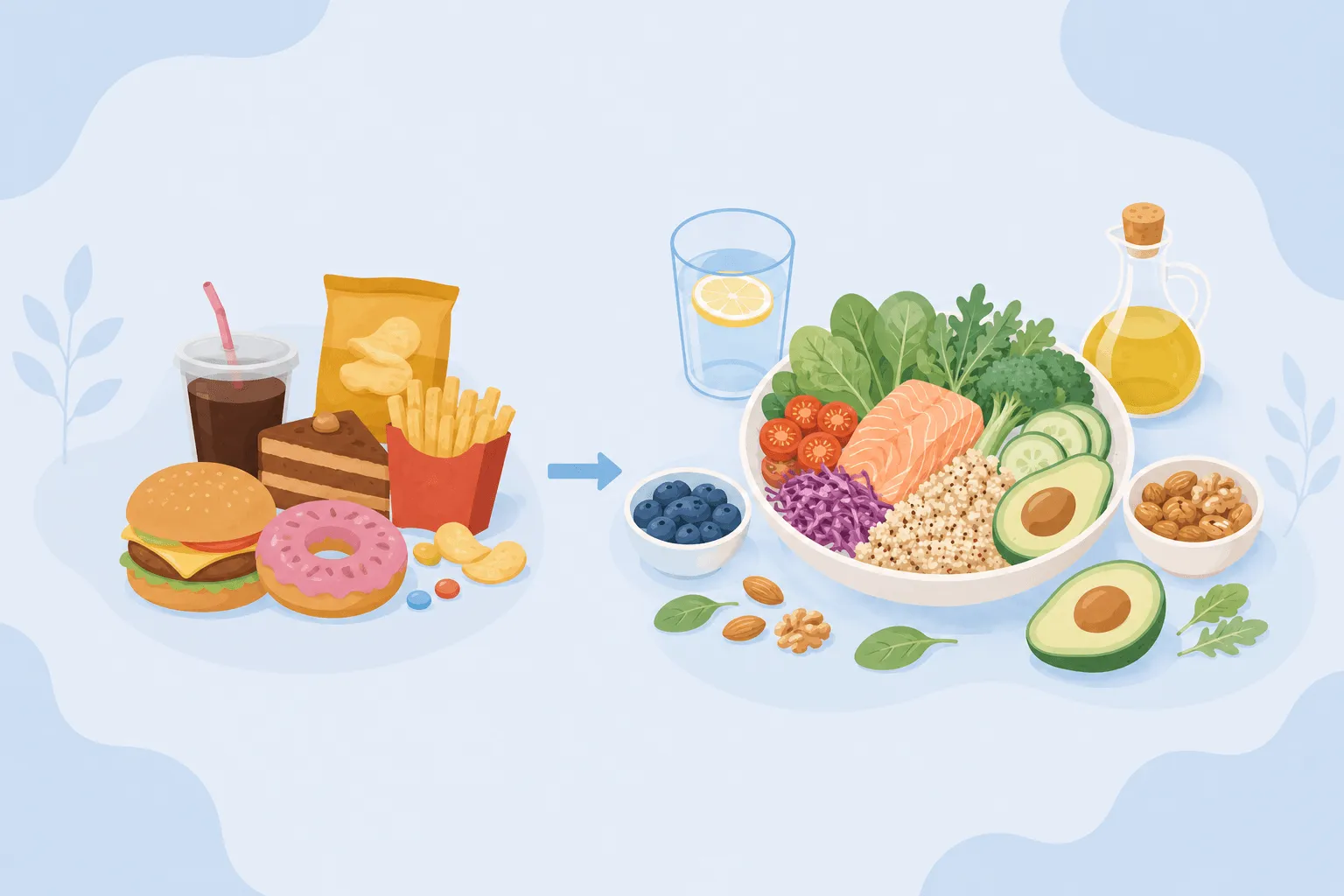
For more detail on common foods recommended to reduce, read:
Inflammatory foods worth limiting
There is no one approach that suits everyone
There are different approaches to nutrition with lipedema — from Mediterranean nutrition, through reducing sugar or gluten, to low-carb approaches or general anti-inflammatory nutrition.
To date, there is no one menu proven to suit every person with lipedema. Sometimes it is a process of trial and error, listening to the body, and making changes gradually.
The 80%-20% approach may suit some people — most of the time choosing foods that support the body and good feeling, alongside room for flexibility and enjoyment.
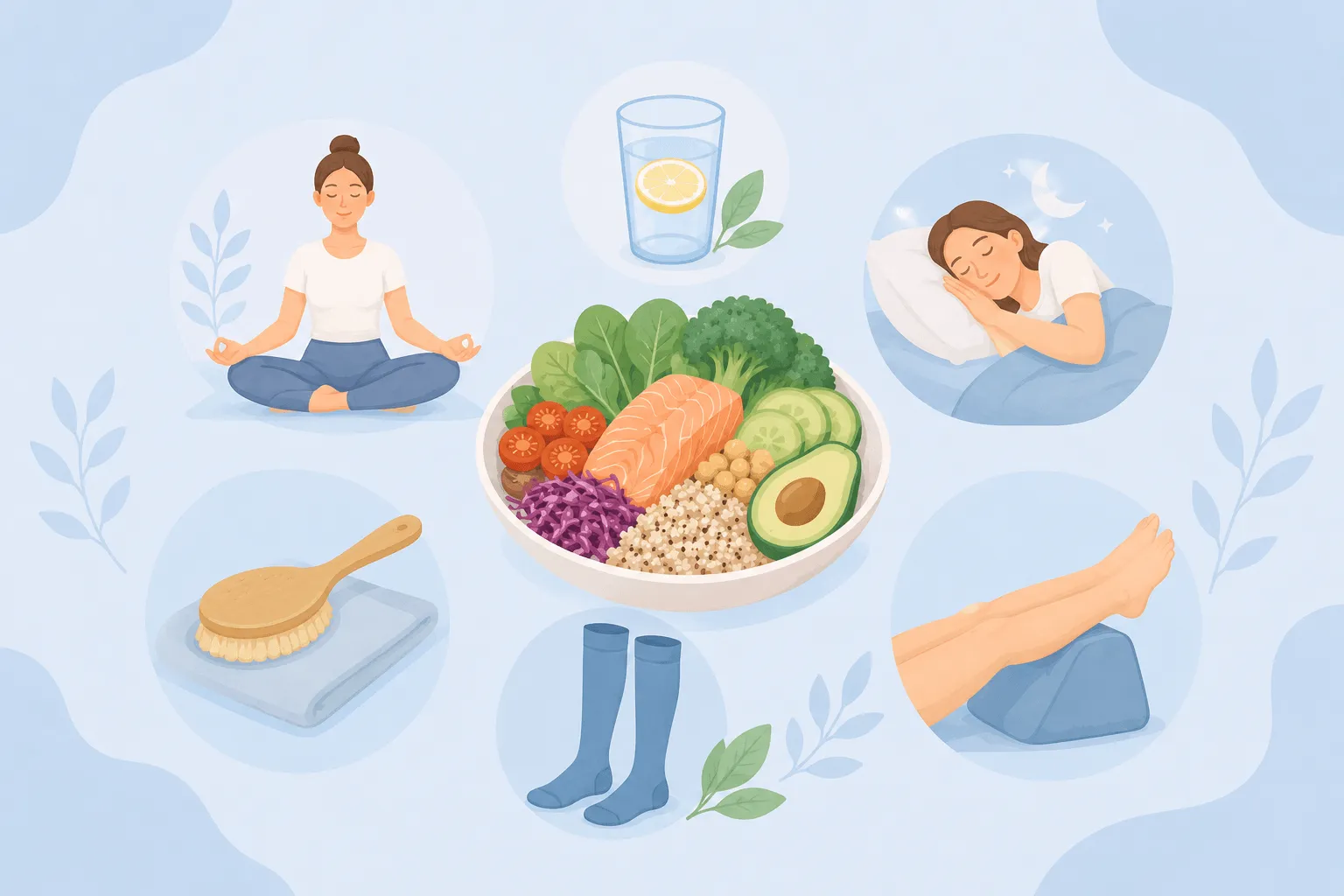
Nutrition is only one part of lipedema management, and is usually combined with additional habits such as appropriate physical activity, improving lymph flow, adequate sleep, and stress management.
For further reading you can also browse articles:
Sources
- Current evidence-based clinical nutritional approaches in lipedema — scoping review (Nutrition Reviews)systematic review of dietary approaches in lipedema.
- Therapeutic applications of ketogenic diets in lipedema — narrative review (2025)possible mechanisms and the limits of existing evidence.
- Ketogenic diet: a nutritional therapeutic tool for lipedema? (Current Obesity Reports, 2023)inflammation and insulin resistance in lipedema tissue.
- Anti-inflammatory potential of a Mediterranean-style ketogenic diet in women with lipedema (Nutrients, 2025)study results on a Mediterranean pattern in lipedema.
- Harvard Health – Foods that fight inflammationanti-inflammatory eating principles for a general audience.
- Lipedema: Progress, Challenges, and the Road Ahead (Obesity Reviews, 2025)what is still missing from nutrition research in this field.
Reader feedback
Did you find this article interesting?
Share





Comments
0 comments |Read and add your own comment
No comments yet - be the first.