
All About Lipedema
Information and practical tools.
Category
Workouts suited to painful legs: swimming, walking, light strength training.

Swimming is considered one of the most recommended forms of physical activity for people with lipedema, and the reason is not only that it is gentle on the joints. The water itself exerts a pressure on the body that resembles to some extent the action of compression garments, while at the same time reducing the load the legs have to carry.
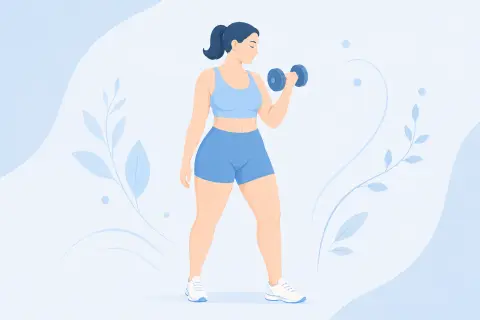
When it comes to lipedema, not every type of exercise affects the body in the same way. While some exercises may support blood and lymph flow, reduce feelings of heaviness, and strengthen muscles, others may place more strain on sensitive tissues and worsen pain, swelling, or discomfort.
Movement is a recurring element in conservative care, but for people with lipedema the question is not only how much, but which kind. Some activity eases the heaviness; other forms can aggravate pain in already tender tissue.
The articles here deal with that difference: what tends to help, why water-based activity keeps appearing in recommendations, and how to build consistency when your body responds differently than expected.
What is still unknown: There is no single exercise protocol that suits everyone. Pain levels, stage and general health all change the picture, so it is worth consulting a physiotherapist or doctor before a significant change.