
All About Lipedema
Information and practical tools.
Content library
All articles on the site, with search, filtering, and sorting to fit your needs.

Many women with lipedema say that their symptoms appeared or worsened after a period of prolonged stress, emotional trauma, or a significant event in their lives. Others feel that the lipedema itself has become a source of emotional pain, anxiety, and loss of self-confidence over the years. Is there really a connection between trauma and lipedema? In this article, we will review what is currently known, what is still being researched, and how trauma, stress, and lipedema may affect each other.
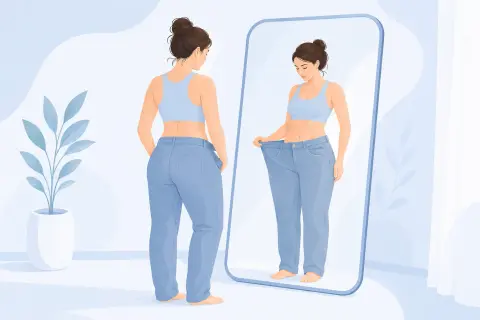
Many people with lipedema find that despite careful diet, exercise, and weight loss, areas like the legs, thighs, or arms remain virtually unchanged. While other parts of the body may shrink, areas of lipedema often remain similar in size and shape. In this article, we'll understand why this happens, what's currently known about lipedema tissue, and what nutrition can still contribute despite the challenges.
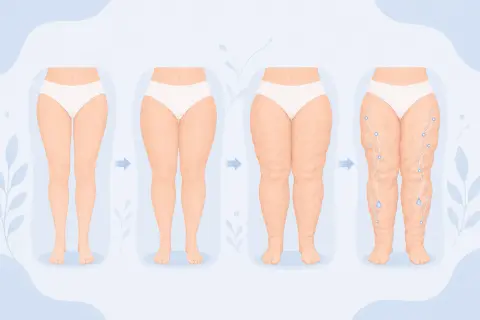
Lipedema doesn’t look the same for everyone. In some people, the changes in fat tissue are still relatively subtle, while in others they may be more pronounced. To describe these differences, lipedema is divided into four stages. Knowing the stages can help you better understand what’s happening in your body, identify changes over time, and better understand information found in diagnoses, research, and support communities.
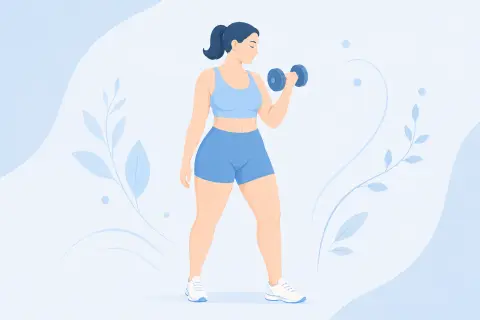
When it comes to lipedema, not every type of exercise affects the body in the same way. While some exercises may support blood and lymph flow, reduce feelings of heaviness, and strengthen muscles, others may place more strain on sensitive tissues and worsen pain, swelling, or discomfort.
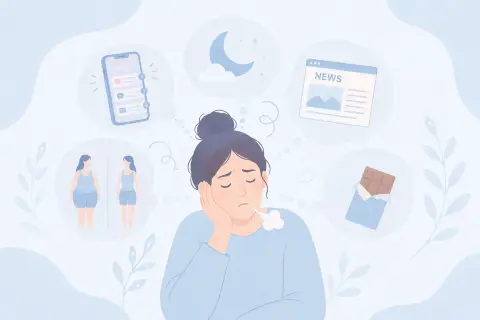
Stress is not thought to cause lipedema, but it does appear to affect the severity of symptoms in some people living with the condition. Some people report that during times of stress they experience more pain, heaviness, swelling or tenderness in their tissues. So is there really a link between stress and lipedema – and what is currently known about it?

If you have lipedema, there's a good chance that at some point you've started to wonder if there are other things that might help besides diet, exercise, and a routine that supports your body. Maybe you came across a recommendation for omega-3s, heard someone talk about magnesium, or saw a recommendation for turmeric and didn't really know what to take seriously and what not.
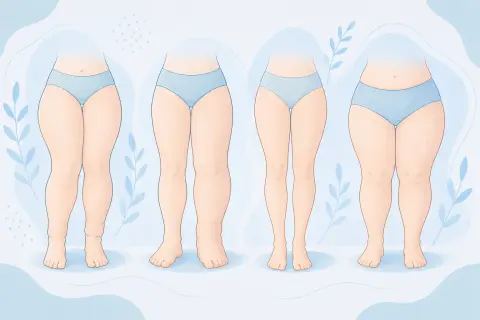
Lipedema is a chronic disease of adipose tissue, but despite this, many people are completely unaware of it. Due to a lack of awareness, both people who have been experiencing symptoms for years and non-specialist professionals may confuse it with other conditions such as lymphedema, cellulite, or obesity. The confusion is understandable: In each of these conditions, larger legs, changes in skin texture, a feeling of heaviness, or an increase in circumference can occur.

Drinking water is one of the most basic habits for good health, but for people with lipedema, it can be especially important. Drinking enough water can support lymphatic fluid flow, a sense of lightness, energy levels, and overall well-being as part of a broader lipedema management routine.
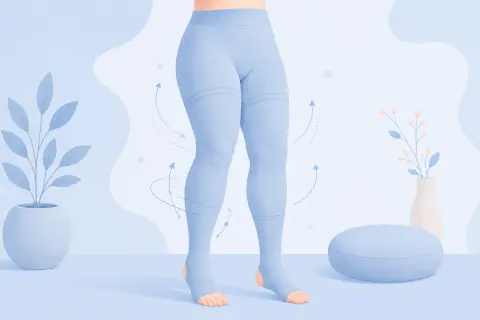
Compression stockings are considered one of the most common tools in the management of lipedema, and are often part of the treatment routine alongside exercise, a healthy diet, manual therapy, and maintaining a healthy lymphatic system. Their purpose is not to “make” lipedema disappear, but to provide tissue support, help with feelings of heaviness and swelling, and sometimes also improve comfort and daily functioning.