
All About Lipedema
Information and practical tools.
Content library
All articles on the site, with search, filtering, and sorting to fit your needs.

Protein is one of the most important nutrients in the diet — especially for people living with lipedema. Although protein does not "cure" lipedema, it may support the body in important ways: maintaining muscle mass, satiety, blood sugar balance, and tissue health.

An inflammatory dietary pattern is one based more on ultra-processed foods, high amounts of sugar, certain fats, and foods that may promote sharp blood sugar swings or increase inflammatory processes in some people.
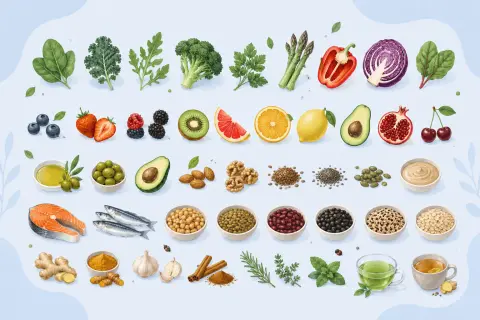
An anti-inflammatory diet focuses on foods that may help reduce inflammatory processes in the body, alongside limiting ultra-processed foods, high amounts of sugar, and certain foods that may increase inflammation in some people.

Lipedema is a chronic adipose tissue disorder that causes symmetric fat accumulation mainly in the legs, thighs, calves, buttocks, and sometimes the arms. It mainly affects women and is often accompanied by touch sensitivity and pain, a tendency toward bruising, and difficulty reducing circumference in affected areas despite diet and exercise.
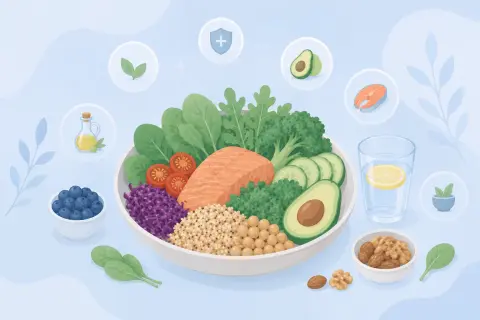
An anti-inflammatory diet is a nutritional approach aimed at reducing chronic inflammatory processes in the body as much as possible through specific food choices.