
All About Lipedema
Information and practical tools.
Content library
All articles on the site, with search, filtering, and sorting to fit your needs.

Feeling heavy, pressured, tired or swollen in the legs is something that many people with lipedema are familiar with - especially after a long day of standing, sitting or being in the heat. Sometimes the feeling is of legs becoming "heavy", tender or less comfortable as the day progresses.

In recent years, a vibrating plate has become one of the devices that more and more women with lipedema are talking about. On social media and in support communities, you can find women who talk about feeling lighter, less heavy, and sometimes less swollen after regular use.

Lymphatic drainage is a gentle treatment aimed at encouraging normal flow of lymph fluid in the body. Unlike deep or firm massage, it is usually performed with gentle, slow, rhythmic strokes directed at specific areas of the body.

Dry brushing is a technique in which a brush is used on dry skin, and it is sometimes incorporated into lipedema care routines. Many people use it to support a lighter feeling, reduce heaviness, and improve how their skin feels.
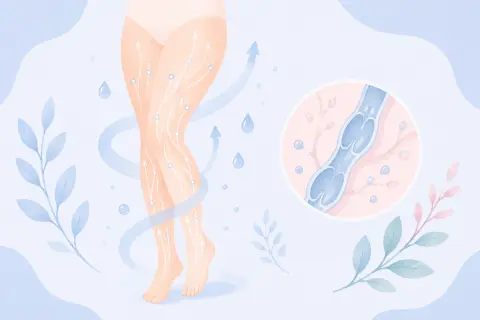
The lymphatic system is one of the body's important systems, yet also one of the least well known. It is responsible, among other things, for clearing excess fluid from tissues, supporting the immune system, and helping remove various substances from the body.

An inflammatory dietary pattern is one based more on ultra-processed foods, high amounts of sugar, certain fats, and foods that may promote sharp blood sugar swings or increase inflammatory processes in some people.

Protein is one of the most important nutrients in the diet — especially for people living with lipedema. Although protein does not "cure" lipedema, it may support the body in important ways: maintaining muscle mass, satiety, blood sugar balance, and tissue health.

An anti-inflammatory diet focuses on foods that may help reduce inflammatory processes in the body, alongside limiting ultra-processed foods, high amounts of sugar, and certain foods that may increase inflammation in some people.

Lipedema is a chronic adipose tissue disorder that causes symmetric fat accumulation mainly in the legs, thighs, calves, buttocks, and sometimes the arms. It mainly affects women and is often accompanied by touch sensitivity and pain, a tendency toward bruising, and difficulty reducing circumference in affected areas despite diet and exercise.