
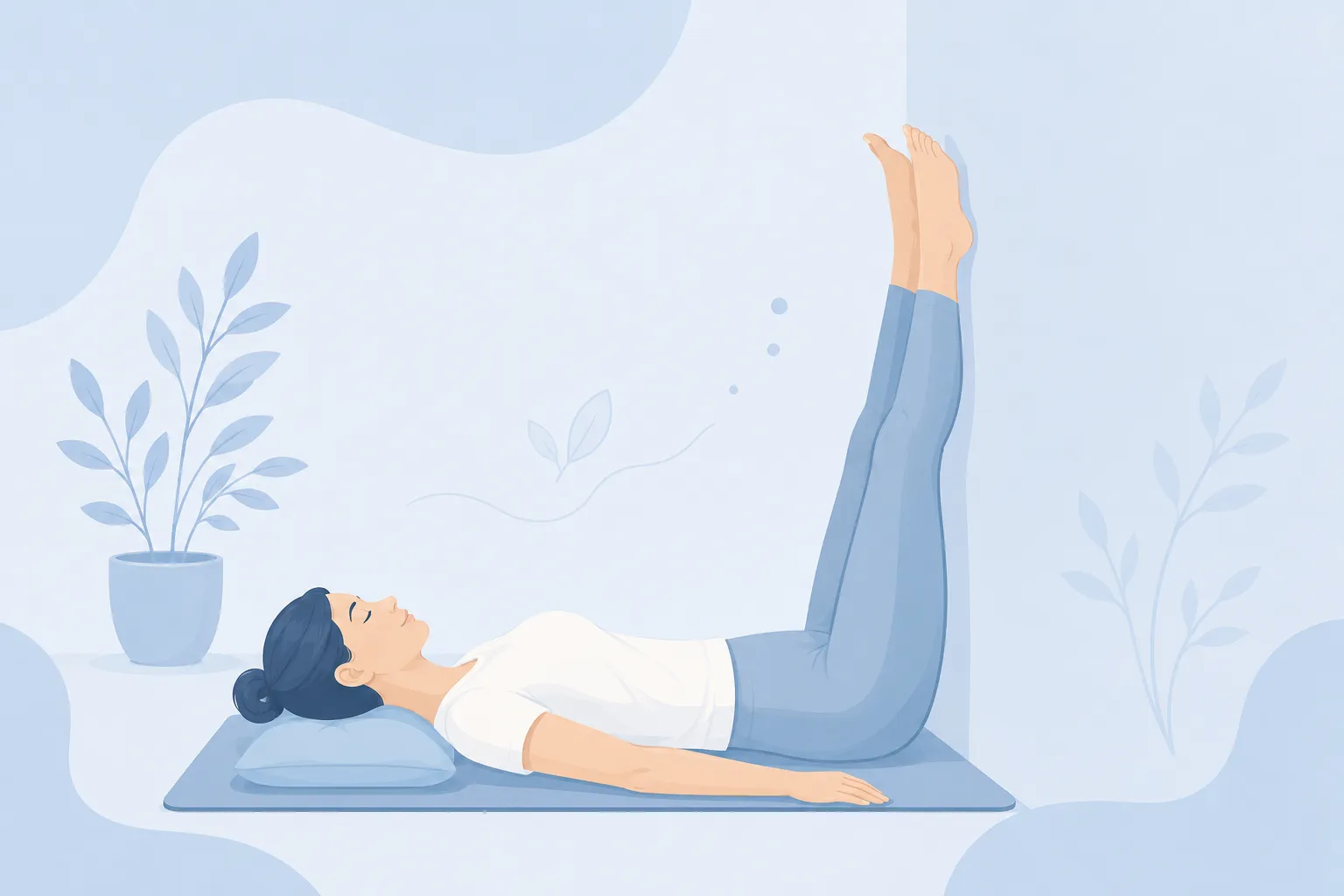
While there is no magic solution to lipedema, there are small habits that can help you feel more comfortable in your daily life – and elevating your legs is one of the simplest. This is not a method that treats lipedema itself, but for some people it can become a small tool that helps you feel lighter and lighter at the end of a busy day.
Why can elevating your legs help with lipedema?
Why can elevating your legs help with lipedema?
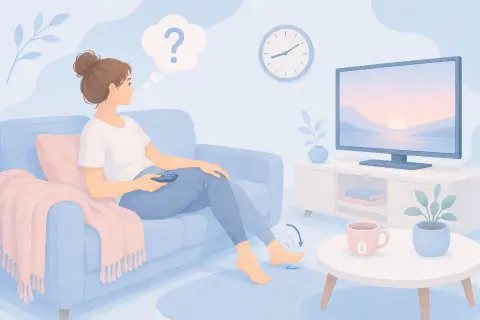
Throughout the day, gravity naturally affects the body. After hours of standing or sitting, many people feel that their legs become heavier, more swollen or less comfortable – especially in the calves, knees and hips.
In people with lipedema, this feeling may be more noticeable. Although lipedema is a disease of fatty tissue and not “normal swelling”, many women report that their legs feel tired, sore or fuller in the evening. If you are new to the topic, you can read more about What is lipedema and how it affects the body.
When the legs are elevated relative to the body, some people report a temporary feeling of relief, less pressure, or more comfort. This is partly because the body does not have to work against gravity as much. Since lipedema is also related to the lymphatic system and its role, some people find that elevating the legs fits well as part of a supportive routine.
It is important to remember that the response varies from person to person. Some people feel a significant change in the feeling of heaviness or swelling, while others feel a smaller change - and this is also normal.
On hot days or during periods of stress, some people with lipedema feel that the heaviness, tenderness, or swelling in the legs is more noticeable. Although the experience varies from person to person, some people report that elevating the legs feels especially pleasant on such days and helps to give the legs a sense of rest.
Even after long hours of sitting - for example, in an office job, long commutes, flights or days when you move less - some people feel that their legs are getting heavier. In such cases, elevating your legs for a few minutes can be a simple way to give your body a moment of comfort and a break.
How to do leg raises correctly?
There is no one "right" way to do leg raises, and the goal is mainly to find a position that feels comfortable and does not create pain or pressure.
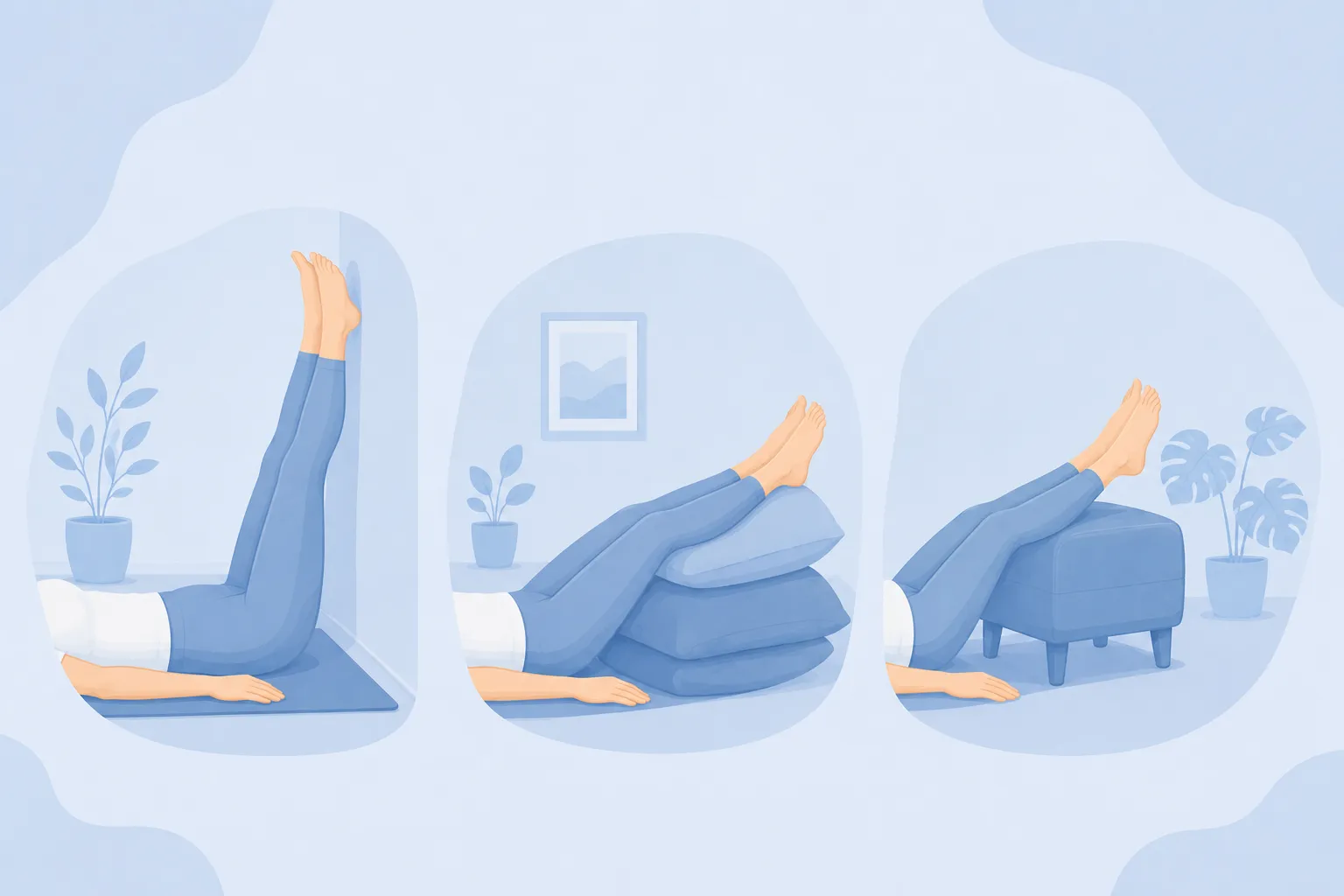
One common option is the "Legs Up The Wall" position - lying on your back with your legs resting on a wall at a comfortable angle. It is not necessary to reach a perfect 90-degree angle - a slightly softer angle can also be comfortable.
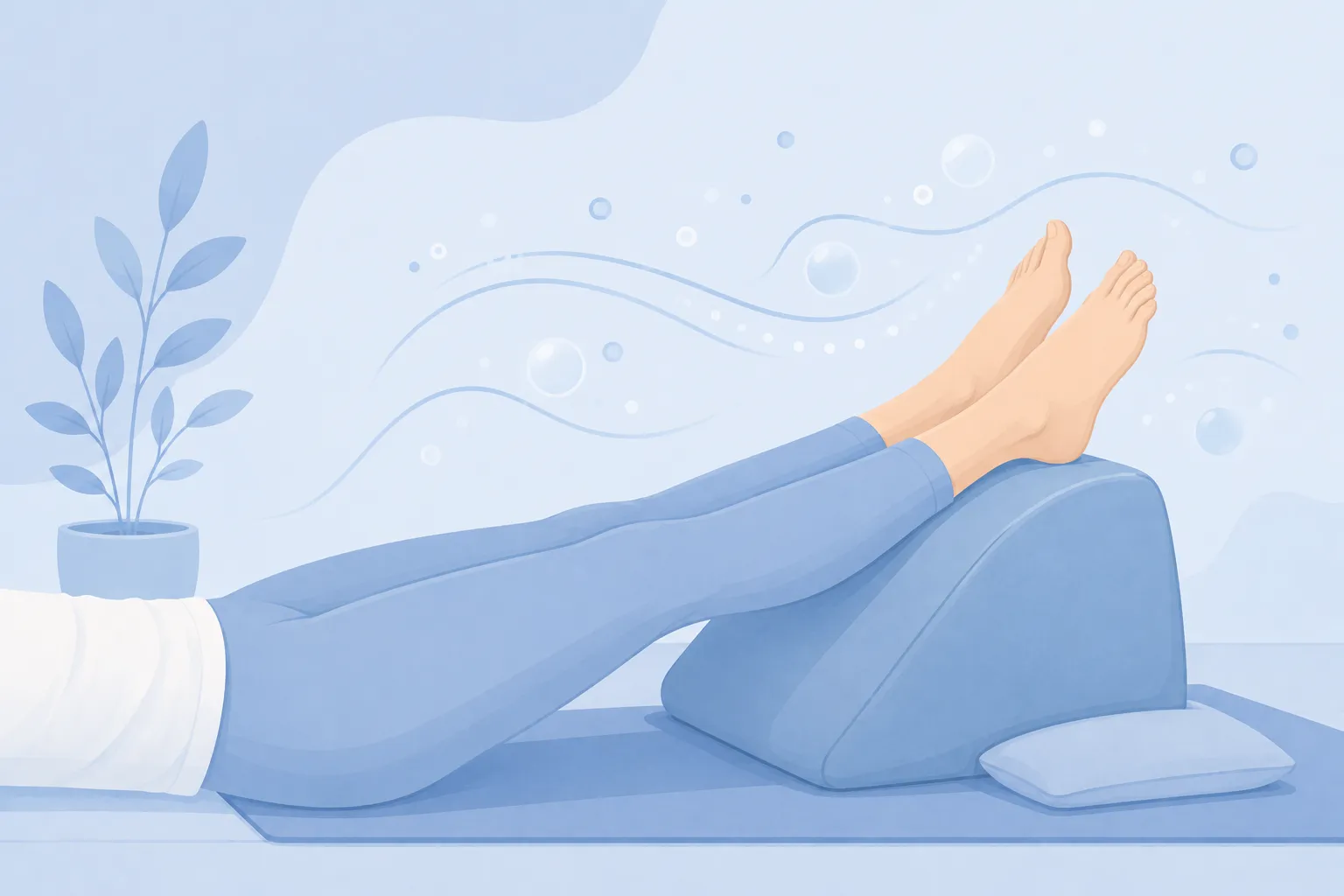
Another option is to place your legs on pillows, a footstool or the edge of a sofa so that they are slightly elevated. For some people, the simpler and more comfortable option is the one that is easier to stick to over time.
Many people choose to perform leg lifts for 10 - 20 minutes, especially at the end of the day, after prolonged standing, walking or on days when the feeling of heaviness is more noticeable. There is no "right" time that suits everyone - it is recommended to check what feels comfortable and suitable for the body.
Are leg lifts enough on their own?
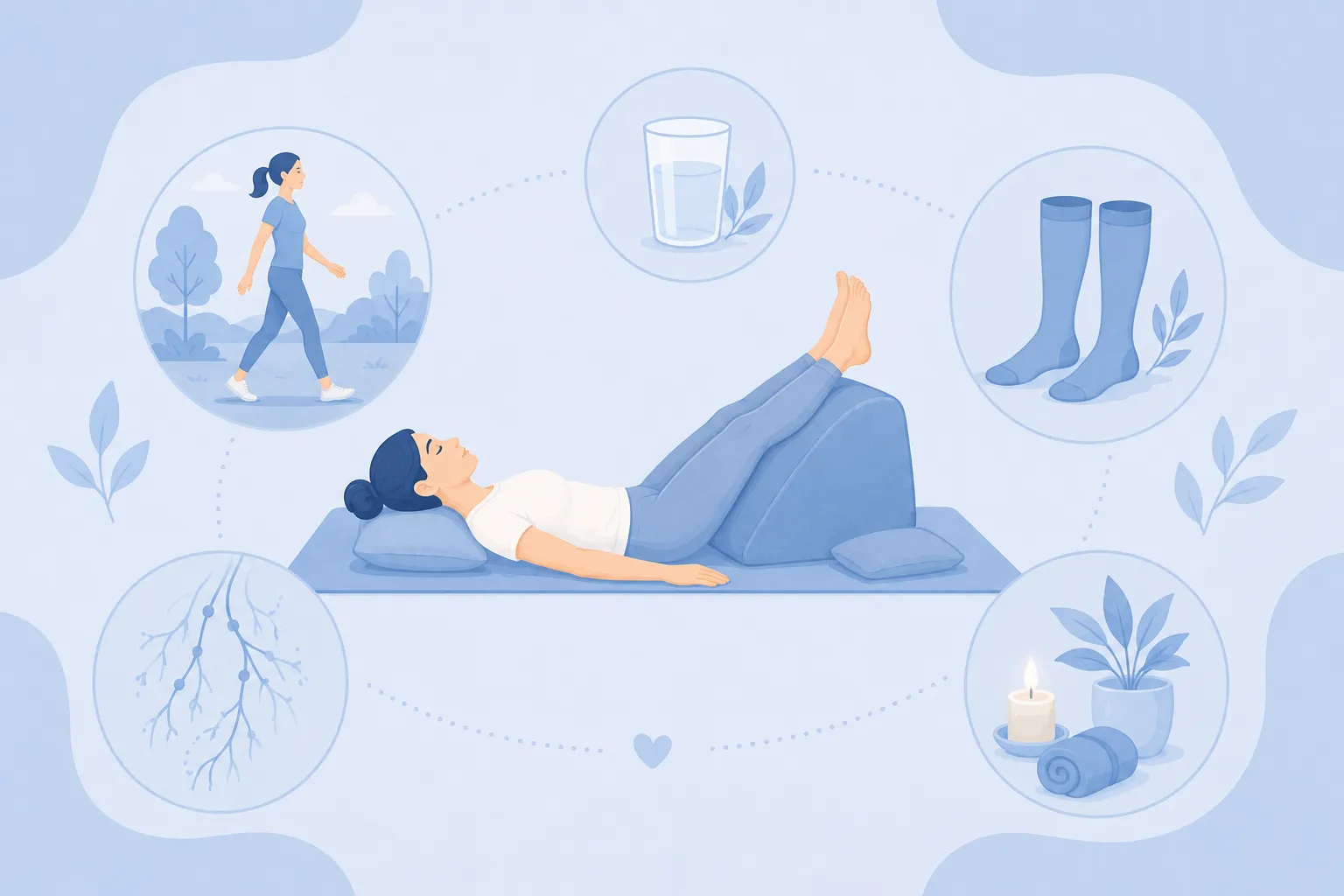
For some people, leg lifts can become a small habit that helps with the feeling of daily comfort - especially after busy days or during hot periods. At the same time, many people report feeling better when this habit is combined with other habits.
For example, some people choose to also combine lymphatic drainage, attention to drinking water throughout the day or supportive habits such as anti-inflammatory nutrition. Others also incorporate dry brushing or gentle movement as part of their routine.
You don't have to do everything at once. Sometimes a combination of several small habits, which fit your personal lifestyle, feels more realistic and is also easier to stick to.
Frequently Asked Questions About Lipedema Leg Elevations
How long is recommended to elevate your legs?
There is no one time that suits everyone, but many people start with 10 - 20 minutes and check how the body feels.
Can you do this every day?
Usually yes. For most people, this is a gentle habit that can be incorporated into your routine if it feels good to the body.
Do you have to put your legs up against a wall?
No. Pillows, a footstool, or a comfortable position on the couch can also be a good option.
Can it help with swelling?
Some people report feeling lighter or less heavy in their legs after elevating their legs, but the experience varies from person to person.
Is it worth doing leg lifts before bed?
Some people prefer to do leg lifts in the evening or before bed, especially if their legs feel heavier at the end of the day. There is no specific time - you can test what feels most comfortable.
What if my legs fall asleep or feel uncomfortable?
If you experience numbness, pain, or discomfort, it is recommended to change positions or stop. The goal is to find a position that feels relaxed and not strained.
Can I do this with compression stockings?
Some people choose to combine leg lifts with compression stockings, but the feeling varies from person to person. If there is discomfort or another medical condition, it is worth consulting a professional.
Does leg lifting replace movement or treatment?
It is often treated as a small tool within a broader routine, and not as a substitute for movement, supportive habits, or professional treatment if necessary.
Sources
- Management of lower-extremity pain from chronic venous insufficiency — review (Cardiology and Therapy)leg elevation as first-line conservative management for swelling.
- Cleveland Clinic – The lymphatic systemhow gravity affects the return of fluid.
- Standard of care for lipedema in the United States (Phlebology, 2021)conservative measures for swelling and heaviness.
- Physiotherapy and rehabilitation applications in lipedema management (2020)the role of positional measures in rehabilitation.
- National Lymphedema Networkresources for patients and clinicians in lymphatic care.
- NHS – Lipoedemaguidance on day-to-day symptom management.
Reader feedback
Did you find this article interesting?
Share

Comments
0 comments |Read and add your own comment
No comments yet - be the first.