

Many people with lipedema experience frustration around weight and circumference, especially when areas such as the legs or arms respond differently to dietary changes. Therefore, alongside appropriate movement and balanced lifestyle habits, adequate protein intake may be an important part of supportive nutrition.
Why is protein especially important in lipedema?
Maintaining muscle mass
In lipedema, fat tissue in affected areas does not always respond to weight loss in the same way as "regular" fat. That is why it is especially important to maintain good muscle mass — mainly in the legs and arms.
Strong muscles support movement, posture, and overall body function, and some experts believe they may also support normal fluid flow and the lymphatic system. Protein provides the building blocks the body needs to preserve and build muscle, especially when combined with appropriate physical activity.

Supporting blood sugar balance
There is evidence that lipedema is linked, among other things, to inflammatory processes in the body. A diet based less on refined carbohydrates and more on quality protein, dietary fiber, and healthy fats may help balance blood sugar levels and reduce sharp spikes.
For some people, this may also mean fewer cravings for sweets, more stable energy throughout the day, and a more balanced sense of hunger.
Long-lasting satiety
One of the great advantages of protein is that it is digested relatively slowly, and therefore may help with a lasting feeling of fullness.
For some people with lipedema, this can make it easier to maintain caloric balance and reduce snacking or cravings for ultra-processed foods — which may also help with swelling and a feeling of heaviness.
Supporting connective tissue and healing
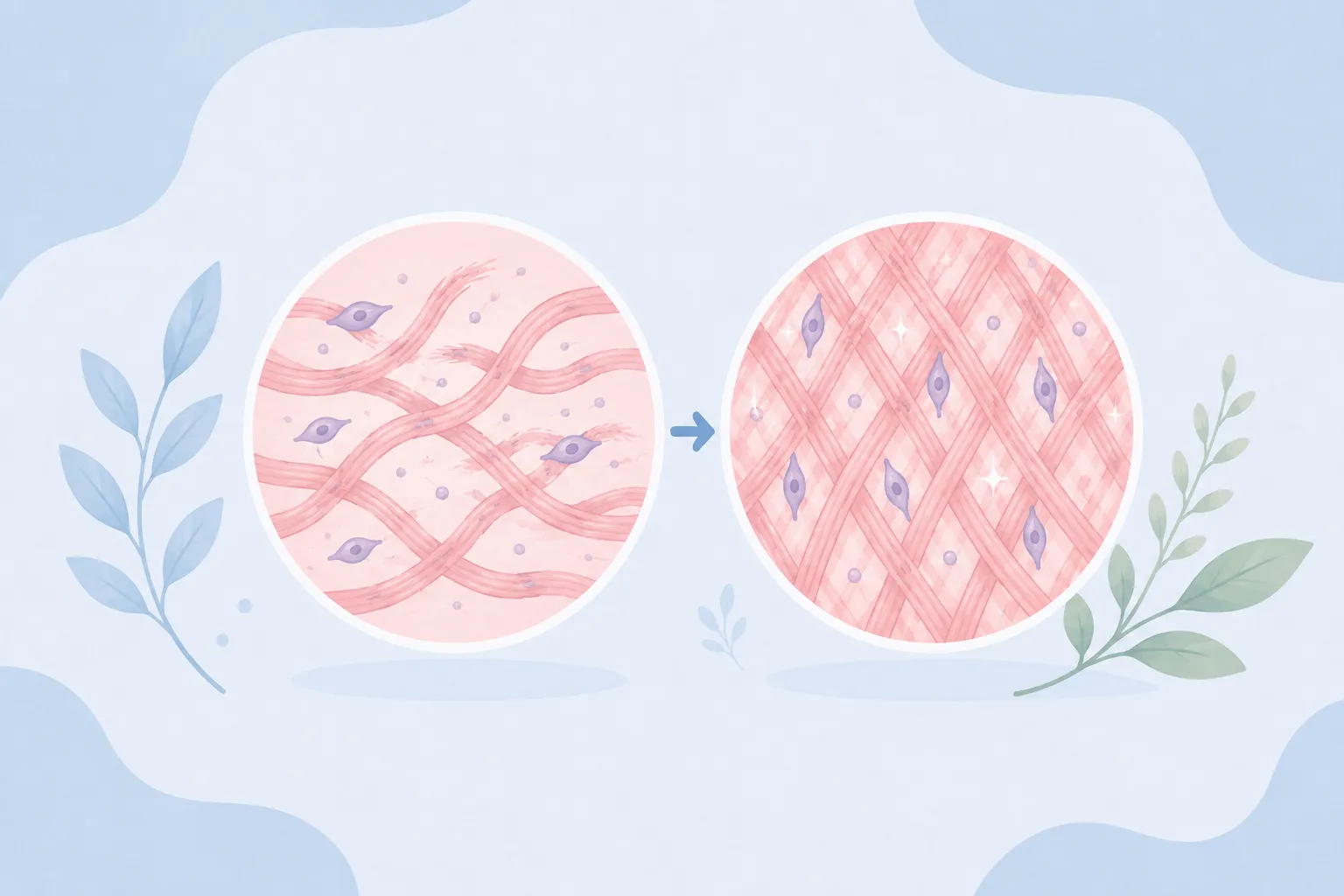
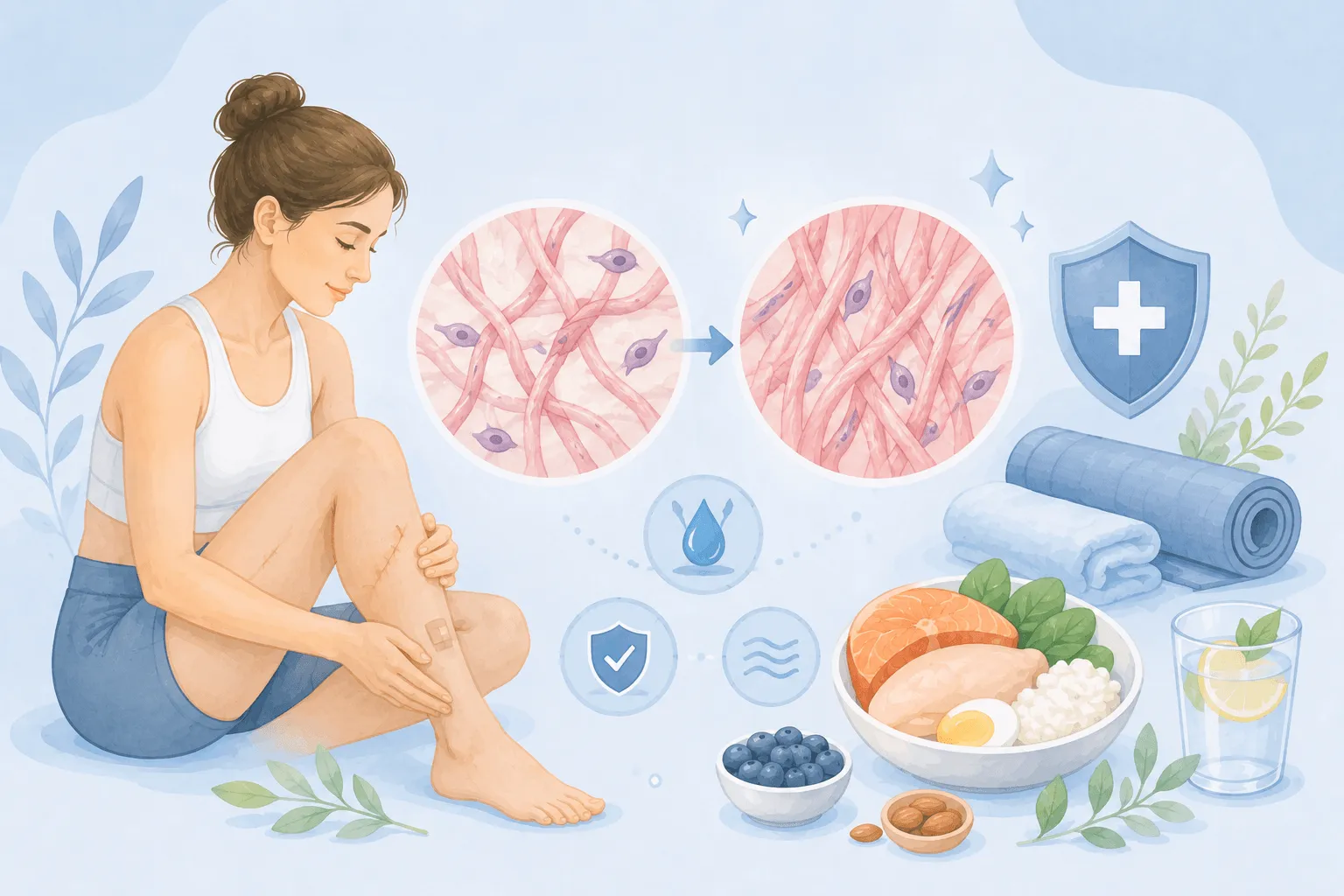
Protein plays an important role in building and repairing tissues in the body, including collagen production and healing processes.
Whether dealing with lipedema day to day or recovering from procedures such as liposuction for lipedema — adequate protein intake may be important to support recovery and tissue repair.
How much protein is recommended with lipedema?
The general recommendation for the adult population is about 0.8 grams of protein per kilogram of body weight per day. However, in the field of lipedema, some dietitians and professionals sometimes recommend a higher amount — usually around 1.2–1.5 grams of protein per kilogram of target or ideal weight.
The goal is usually to better support muscle mass, satiety, and metabolic health. However, there is currently no official research consensus on a specific protein amount for lipedema, so recommendations may vary according to individual needs, level of physical activity, and overall health status.
Where should you get protein from?
Not all protein sources are equal, and within supportive lipedema nutrition some people prefer to focus more on simple, less processed protein sources with a balanced nutritional profile.
Protein sources that are sometimes considered better options in supportive lipedema nutrition include:
- Omega-3-rich fish — such as salmon, sardines, and mackerel, which may fit well in an anti-inflammatory diet.
- Chicken, turkey, and eggs — complete, relatively simple protein sources for everyday meals.
- Legumes — such as lentils, chickpeas, beans, and peas, which provide both protein and dietary fiber that may contribute to satiety and blood sugar balance.
- Yogurt, cottage cheese, and high-protein cheeses — for those who feel well with dairy products. Some people with lipedema report feeling better with less dairy or certain types of dairy products, but this varies from person to person.
- Tofu, tempeh, and edamame — plant-based protein options that may suit a balanced diet.
In contrast, some people prefer to limit ultra-processed meats such as sausages, hot dogs, or processed schnitzels, alongside foods high in salt, sugar, or processed fat — especially if they feel these foods worsen swelling or a feeling of heaviness.
Not sure how much protein to eat?
The appropriate amount of protein varies from person to person.
You can use the Lipedema Nutrition Calculator to get a general estimate of recommended daily protein intake, alongside recommendations for calories, dietary fiber, and fats as part of a balanced diet.
Sources
- Protein intake to support muscle mass and function — systematic review and meta-analysis (2022)how much protein is needed to preserve muscle mass and function.
- Current evidence-based clinical nutritional approaches in lipedema — scoping review (Nutrition Reviews)macronutrient guidance in lipedema.
- The efficacy of ketogenic diets as a nutritional intervention in lipedema — systematic review (Nutrients)dietary composition and its effect on body composition.
- Exercise training in women with lipedema — a systematic review (Vasa, 2025)why preserving muscle matters within an activity plan.
- Metabolic alterations in women with lipedema compared with lifestyle-induced overweight (Biomedicines, 2025)the metabolic background relevant to diet planning.
- Standard of care for lipedema in the United States (Phlebology, 2021)conservative care principles that include nutrition.
Reader feedback
Did you find this article interesting?
Share






Comments
0 comments |Read and add your own comment
No comments yet - be the first.