

To understand the possible connection, it is important to distinguish between what is already known about the role of vitamin D in the body and the research findings specific to lipedema. Although several studies have found high rates of vitamin D deficiency among populations with lipedema, it has not yet been proven that this deficiency causes the development of the disease or worsens its symptoms. However, the existing research provides some important directions for understanding the subject, and raises the importance of identifying and correcting nutritional deficiencies when they exist.
What is vitamin D and what is its role in the body?
Vitamin D is a fat-soluble vitamin, produced in the skin following exposure to sunlight and is also found in certain foods and dietary supplements. After it is produced or consumed, it undergoes processing in the liver and kidneys until it is converted into its active form in the body.
The most well-known role of vitamin D is to help absorb calcium and phosphorus in the digestive tract, thereby supporting bone formation and maintaining its strength. A significant and persistent deficiency can impair bone mineralization, cause muscle weakness, and increase the risk of health problems related to the skeletal system.
However, the vitamin's functions do not end there. Vitamin D has receptors in many tissues and cells in the body, and it participates in regulating immune system activity, cell growth and differentiation processes, and regulating inflammatory processes. It is also involved in nerve and muscle function and processes related to metabolism.
Because of its involvement in many systems, researchers are examining the relationship between vitamin D levels and various medical conditions, including inflammatory diseases and diseases that affect adipose tissue. In the context of lipedema, research interest focuses, among other things, on the question of whether vitamin deficiency may be related to the processes occurring in adipose tissue and some of the symptoms associated with the disease.

Why might vitamin D deficiency be common in people with lipedema?
One of the interesting findings in the research literature is the relatively high prevalence of low vitamin D levels in populations studied with lipedema.
In an observational study published in 2024 in the International Journal of Molecular Sciences, 360 people with lipedema in Italy were examined. Of the 228 participants for whom relevant data were available, 193 were found to be vitamin D deficient, or about 84.6%.
This is a high rate, but it is important to understand its significance: this is a specific population that was examined as part of the study, and not necessarily a rate that is representative of all people with lipedema. In addition, the study did not include a parallel control group that could determine whether the prevalence was higher compared to the population without lipedema.
The researchers noted that low vitamin D levels may be associated with a number of factors. One of them is the well-known association between high body mass and lower levels of vitamin D in the blood.
Since it is a fat-soluble vitamin, some of it is stored in adipose tissue, and as body fat mass increases, its concentration in the blood may decrease.
In the context of lipedema, researchers have also raised the possibility that the adipose tissue affected by the disease is characterized by metabolic changes that may affect the storage or availability of the vitamin. However, this is a research hypothesis that has not yet been unequivocally proven.
This suggests that vitamin D deficiency is not necessarily a direct result of lipedema, but may be related to metabolic characteristics, body composition, lifestyle and other factors.
Can vitamin D deficiency affect lipedema symptoms?
Lipedema may manifest as pain in the fatty tissues, sensitivity to touch, a feeling of heaviness, swelling, easy bruising, and sometimes fatigue and limited movement.
Since vitamin D is involved in processes related to muscle function, the immune system, and inflammation regulation, the question arises as to whether a deficiency in it may add to existing symptoms.
In the 2024 Italian study, researchers suggested that low levels of vitamin D may be a contributing factor that worsens some of the symptoms, especially pain in the extremities and fatigue. However, the study did not prove that a vitamin deficiency caused these symptoms, nor did it examine whether correcting the deficiency leads to improvement in the condition.
It is important to distinguish between the known effects of vitamin D deficiency and the symptoms of lipedema itself. Significant vitamin deficiency can cause muscle weakness, bone pain, and impaired muscle function.
These symptoms may coexist with lipedema and affect quality of life, but this does not mean that they are due to the disease.
Therefore, when a person with lipedema experiences pain or fatigue, it should not be automatically assumed that this is the effect of vitamin D deficiency. These symptoms have a variety of possible causes, and their assessment requires consideration of the overall health status.
What have studies that have examined the relationship between vitamin D and lipedema pain found?
A key question is whether low vitamin D levels are directly related to the pain characteristic of lipedema.
A study published in 2025 in the journal Lymphatic Research and Biology examined the relationship between vitamin D and vitamin B12 levels and neuropathic pain in people diagnosed with lipedema.
The study involved 243 people. The researchers divided them into two groups based on the results of a questionnaire that examined characteristics of neuropathic pain, that is, pain related to damage or abnormal functioning of the nervous system.
The researchers compared vitamin levels and pain indices between the groups. Although differences were found in pain intensity and indices related to pain sensitivity, there was no significant difference in the prevalence of vitamin D levels below 30 nanograms per milliliter between the groups.
The researchers concluded that there was no significant association between vitamin D levels and neuropathic pain among the participants.
This is an important finding, because it emphasizes that it cannot be automatically concluded that vitamin D deficiency is the cause of lipedema pain.
Although vitamin deficiency can cause musculoskeletal symptoms in the general population, there is currently insufficient evidence that correcting the deficiency reduces the pain characteristic of lipedema.
The study does not rule out any possible link between vitamin D and the symptoms of the disease, but it suggests that the relationship is more complex than could be assumed based on observational studies alone.
Liposuction for Lipedema and its Effect on Vitamin D Levels
Beyond the possible impact of vitamin D deficiency on overall health, another question arises specifically regarding the surgical treatment of lipedema: Could liposuction to remove the diseased tissue affect the body's vitamin levels?
A study published in 2024 in the Journal of Clinical Medicine examined changes in vitamin D levels among people with lipedema who underwent liposuction, and found a significant decrease in vitamin levels after surgery.
The finding raises important questions about monitoring nutritional status after the procedure and the possible role of adipose tissue in storing vitamin D.
The study examined 213 patients who had undergone liposuction. The researchers found a significant decrease in vitamin D levels after the surgery. The average vitamin D level dropped from about 30.1 nanograms per milliliter before the surgery to about 21.91 nanograms per milliliter after it.
The researchers suggested that since vitamin D is stored, among other things, in adipose tissue, removing large amounts of adipose tissue may affect the body's vitamin stores. However, the exact mechanism and long-term significance of the decrease are still unclear.
This finding has practical importance: it indicates the need to address the body's nutritional status also around surgical procedures for the treatment of lipedema.
Testing vitamin D levels before and after liposuction may be relevant depending on the assessment of the medical team, especially when there are previous deficiencies or additional risk factors.
It is important to emphasize that the study looked at changes in vitamin D levels following surgery, and did not prove that the decrease in its levels causes a worsening of lipedema symptoms.
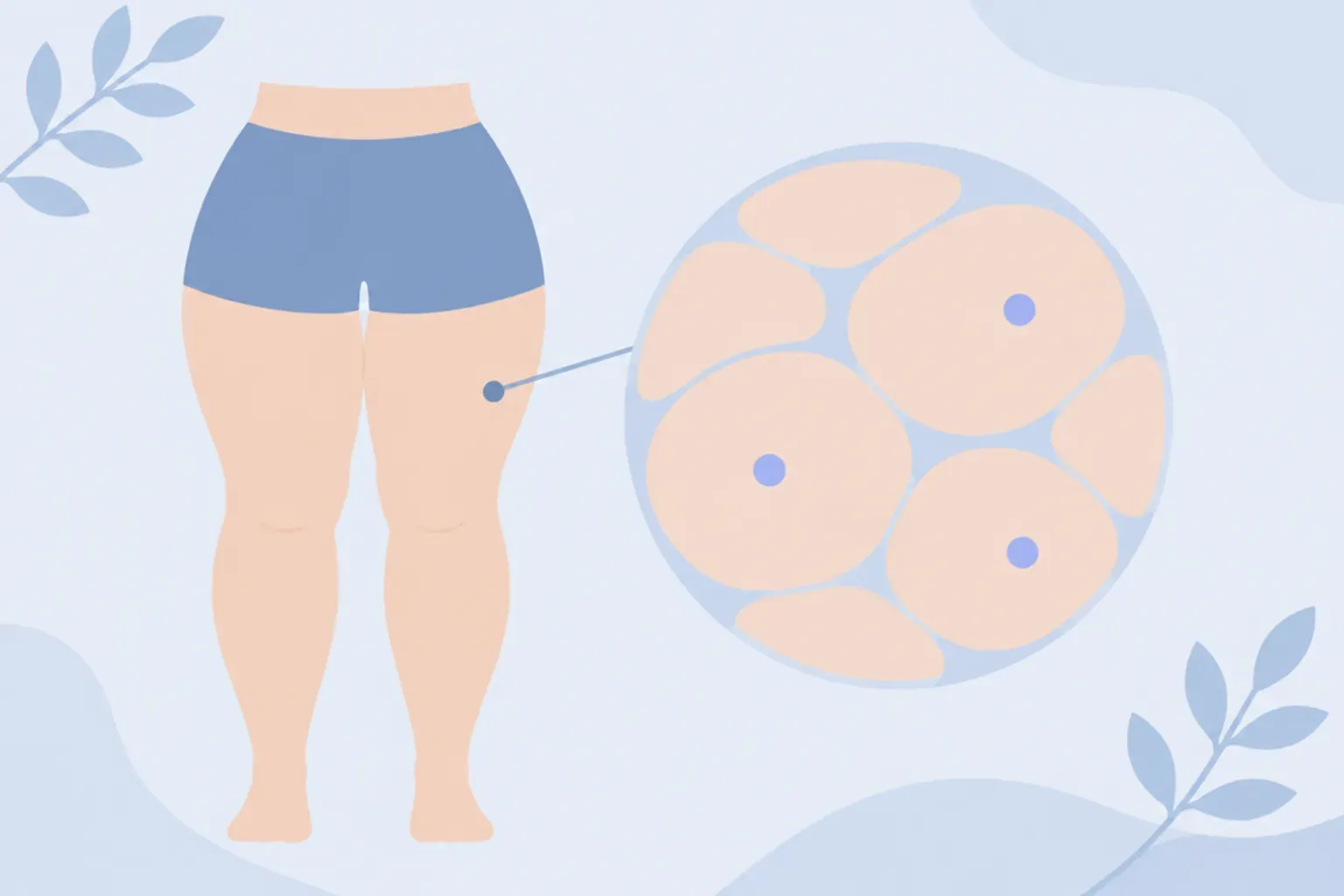
Can taking a vitamin D supplement help with lipedema?
When a vitamin D deficiency is detected, correcting it may be important for overall health, especially bone and muscle health. But can taking a supplement also relieve the symptoms of lipedema?
To date, there are not enough controlled clinical studies to prove that vitamin D supplements reduce the pain, swelling, or fatty tissue accumulation characteristic of the disease.
A comprehensive research review published in November 2025 in the journal Nutrition Reviews examined the existing knowledge regarding nutrition and nutritional supplements for lipedema.
The review emphasized that while there are biological mechanisms that may justify considering various vitamins and minerals, there is still insufficient evidence that nutritional supplements are a proven treatment for lipedema.
Regarding vitamin D, the researchers note its role in regulating the immune system and in the health of adipose tissue, but emphasize that the need for a supplement should be assessed individually and in accordance with medical findings.
The distinction here is important: correcting a nutritional deficiency is an important medical action in itself, but this does not mean that the supplement treats the underlying disease.
Therefore, a person with lipedema who has been diagnosed with a vitamin D deficiency may benefit from correcting the deficiency, even if an improvement in the lipedema symptoms themselves cannot be guaranteed.
Blood tests, normal levels and what is important to know about supplements
The standard way to assess the status of vitamin D in the body is through a blood test for the level of 25-hydroxyvitamin D, also known as 25(OH)D. This is the main test for assessing vitamin stores, and it reflects the vitamin that comes from sun exposure, food and supplements.
However, it is important to note that there is no consensus among medical organizations regarding the exact values that define vitamin D deficiency, insufficiency, and sufficiency.
According to the National Institutes of Health (NIH), a level of 20 ng/mL or higher is considered adequate for most people for bone health, while levels below 12 ng/mL are associated with an increased risk of deficiency.
Other organizations and studies sometimes use a cutoff of 30 ng/mL to define insufficiency.
These differences are especially important when reading studies on lipedema, because not all studies use the same criteria to define deficiency. Therefore, the rates of deficiency reported in different studies should not be directly compared without considering the definitions used by the researchers.
When low vitamin D levels are detected, your doctor may recommend a supplement based on your test results, health status, and personal risk factors. The dosage and duration of treatment should be determined according to need, and not based on the diagnosis of lipedema itself.
It is also important to avoid taking high doses without medical guidance. Vitamin D is a fat-soluble vitamin, so excessive consumption over time may cause its accumulation in the body.
A significant excess may lead to increased calcium levels in the blood, nausea, muscle weakness, impaired kidney function and even more serious complications.
In addition to supplements, vitamin D can be obtained from dietary sources such as oily fish, egg yolk and fortified foods. Controlled exposure to the sun also contributes to the production of the vitamin in the skin, but the degree of production varies depending on the season, hours of exposure, skin tone and other factors.

What can we conclude today about the relationship between vitamin D and lipedema?
Research on vitamin D and lipedema is still in its developmental stages, but several important findings can already be identified:
- Observational studies indicate a high prevalence of low vitamin D levels among populations with lipedema.
- There are biological mechanisms that may explain a possible relationship between vitamin D, adipose tissue, and inflammatory processes.
- A study that examined neuropathic pain in people with lipedema found no significant relationship between vitamin D levels and pain.
- Another study found a decrease in vitamin D levels after liposuction, raising the importance of nutritional monitoring around the procedure.
- There is currently no evidence that vitamin D supplements treat lipedema or directly reduce the symptoms of the disease.
To better understand the connection, further studies are needed that examine larger populations, compare people with lipedema to appropriate control groups, and examine whether correcting vitamin D deficiency leads to measurable changes in pain, function, and quality of life.
Bottom line: Vitamin D deficiency is a finding that should be addressed even in people with lipedema, but it is important not to attribute a proven role to it in the development or worsening of the disease.
Maintaining normal levels of the vitamin and correcting deficiencies when they are detected are part of maintaining overall health, but currently, vitamin D should not be considered a specific treatment for lipedema.
Sources
- Observational Study on a Large Italian Population with Lipedema: Biochemical and Hormonal Profile, Anatomical and Clinical Evaluation, Self-Reported History (International Journal of Molecular Sciences, 2024)
- Relationship Between 25-Hydroxyvitamin D and Vitamin B12 Levels and Neuropathic Pain in Patients Diagnosed with Lipedema (Lymphatic Research and Biology, 2025)
- High-Volume Liposuction in Lipedema Patients: Effects on Serum Vitamin D (Journal of Clinical Medicine, 2024)
- Current Evidence-Based Clinical Nutritional Approaches in Lipedema: A Scoping Review (Nutrition Reviews, 2025)
- Vitamin D – Fact Sheet for Health Professionals (NIH Office of Dietary Supplements)
- איך נכתבה הכתבה הזו
- ההצהרה הרפואית המלאה
Reader feedback
Did you find this article interesting?
Share




Comments
0 comments |Read and add your own comment
No comments yet - be the first.